Churen Trek

Confirmed Booked Group, You Can Join for 2026 & 2027 Know More

Langtang Valley Gosaikunda Trek via Helambu Trail – 18 Days

Duration

18 Days

Trip Difficulty

Moderate

Start/End Point

Kathmandu

Meals

Breakfast, Lunch, & Dinner

Max Altitude:

5,555m. / 18,225ft.

Group Size

2-15+ People

Best Season

Mar, Apri, May, Sep, Oct, Nov & Dec

Accommodation

3 Star Hotel in KTM / Lodge / Tea House during the Trek
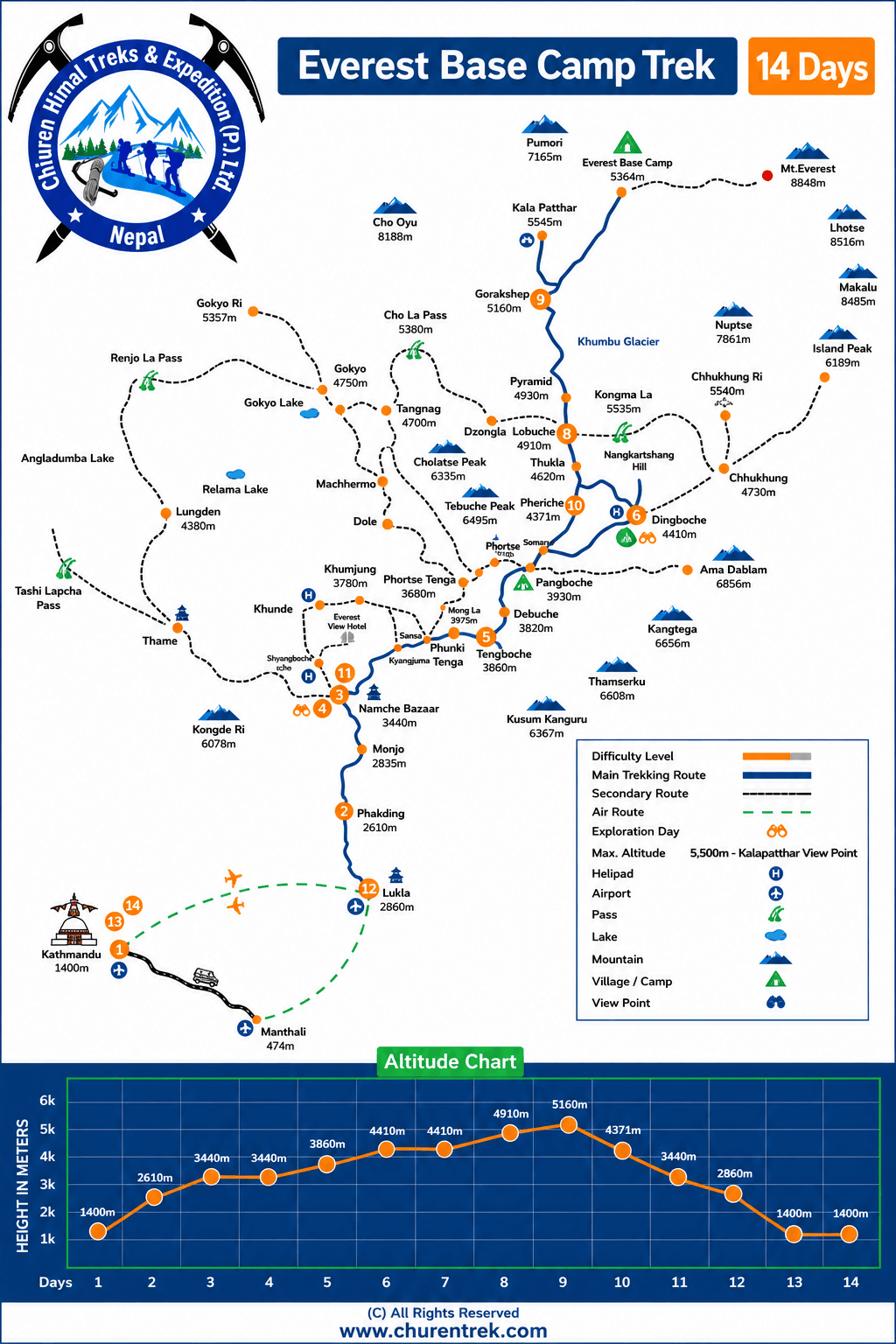
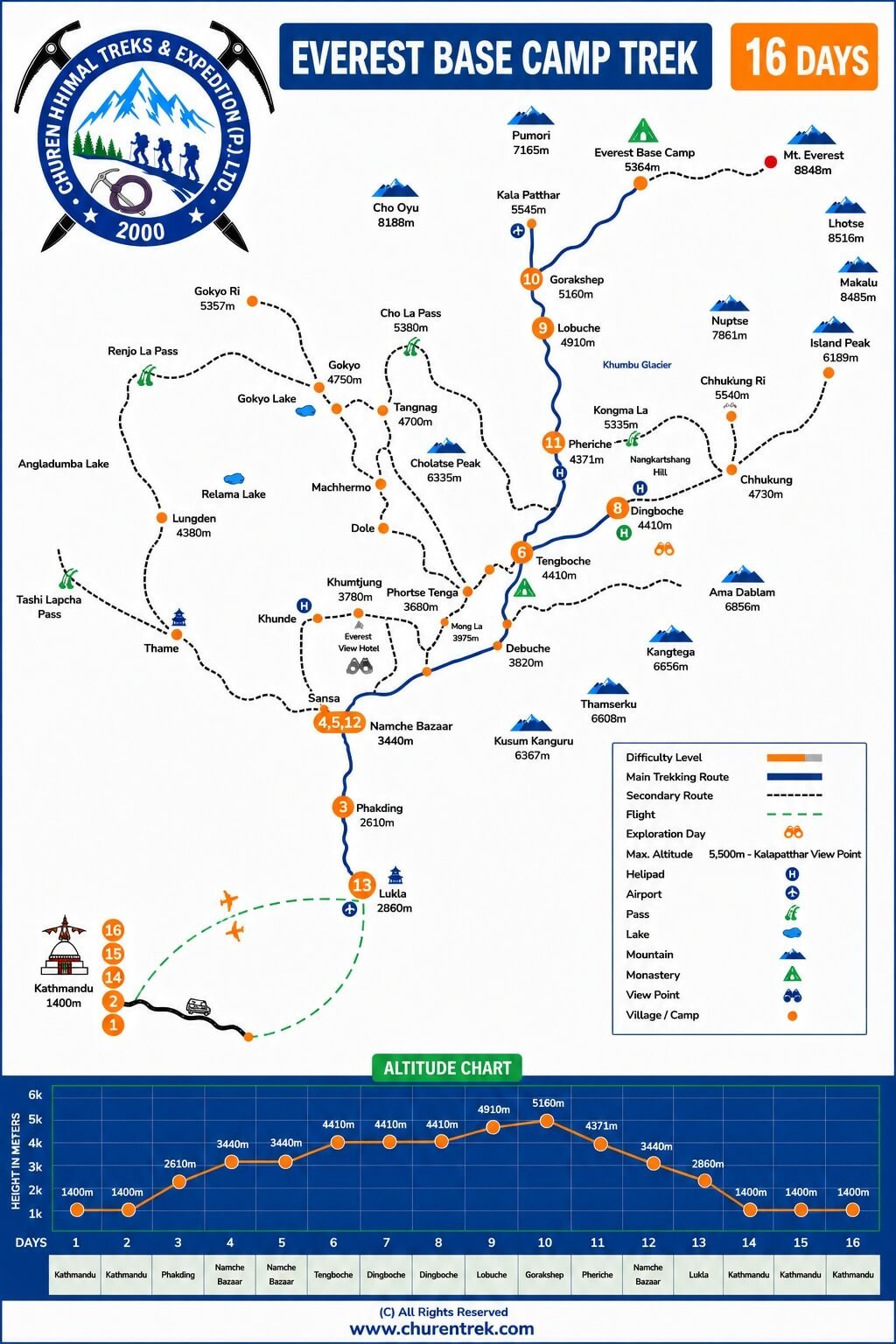
Everest Base Camp Trek Route Map
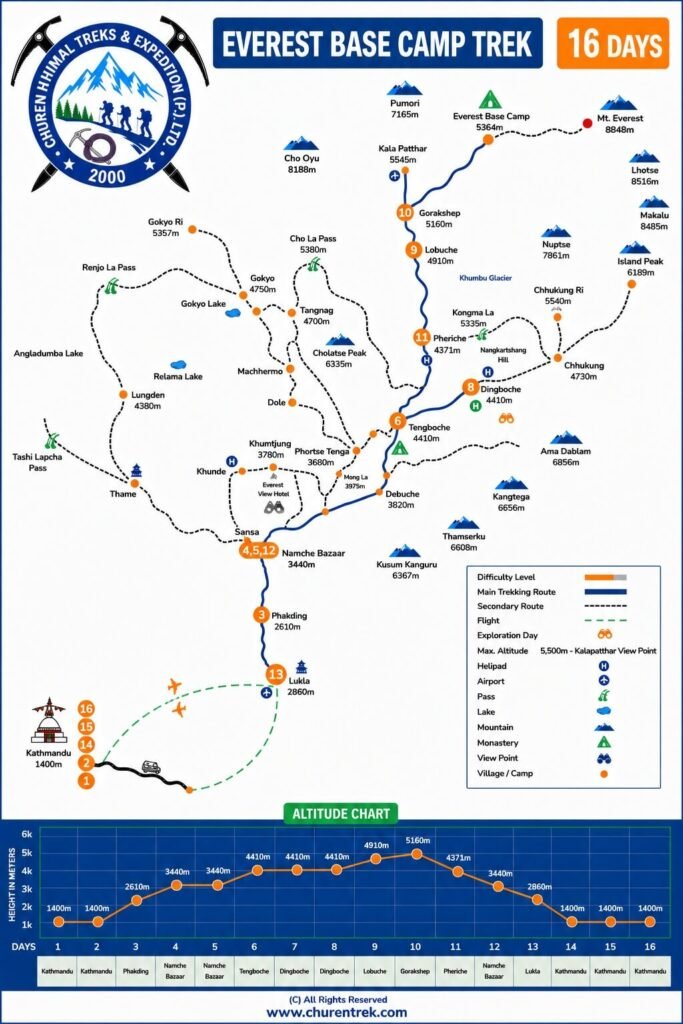
Everest Base Camp Trek – 16 Days route map
Everest Base Camp Trek Route Map Full Zoom View
Link copied to clipboard!
Price starts US$ 1720
1390 US$

We offer group discount

1 personUS$ 1590
2 peopleUS$ 1390
3 - 6 peopleUS$ 1350
7 - 10 peopleUS$ 1290
11 + peopleUS$ 1190
  • Best price guarantee
  • Secure & easy online booking
  • Flexible booking dates

Speak to an Expert

Sujan
Nepal 🇳🇵
WhatsApp +9779851233710

Langtang Valley Gosaikunda Trek via Helambu Trail – 18 Days Highlights

  • Trek through Langtang National Park
  • Explore the traditional settlements of the Langtang Valley
  • Visit Kyanjin Gompa
  • Optional acclimatization hike toward Kyanjin Ri
  • Views of Langtang Lirung and surrounding Himalayan peaks
  • Walk through rhododendron and Himalayan forests
  • Experience Tamang and Sherpa cultural traditions
  • Reach the sacred Gosaikunda Lake
  • Trek across Lauribina La at approximately 4,600–4,610 m
  • Descend from the alpine zone toward Ghopte
  • Explore the culturally distinctive Helambu region
  • Visit Melamchi Gaon, Tarkeghyang and Sarmthang
  • Experience changing Himalayan landscapes and village life
  • Combine a major valley trek, high-altitude lake and mountain-pass crossing
  • Return to Kathmandu after completing the Langtang–Gosaikunda–Helambu route

Langtang Valley Gosaikunda Trek via Helambu Trail – 18 Days Overview

The Langtang Valley Gosaikunda Trek via Helambu Trail – 18 Days combines three of northern Nepal's well-known trekking landscapes into one continuous journey: the Langtang Valley, the sacred alpine lakes around Gosaikunda, and the culturally rich Helambu region. The route begins with a road journey from Kathmandu to Syabrubesi before entering Langtang National Park and following the valley toward Kyanjin Gompa.

The first trekking section follows forested trails through places such as Lama Hotel and Langtang Village. As the elevation increases, the landscape changes from dense woodland to open alpine terrain, with views toward peaks including Langtang Lirung. Kyanjin Gompa provides an important acclimatization and exploration point, with optional hikes toward viewpoints such as Kyanjin Ri depending on weather, fitness and trail conditions.

After returning through the Langtang Valley, the route climbs toward Thulo Syabru and the Gosaikunda region. Gosaikunda Lake, at approximately 4,380 m, is one of the major highlights of the trek and holds deep religious significance for both Hindu and Buddhist traditions. The following section crosses Lauribina La at roughly 4,600–4,610 m, making this the highest point of the itinerary.

From the high alpine environment, the trail descends toward Ghopte and continues through the Helambu region. Villages such as Melamchi Gaon, Tarkeghyang and Sarmthang introduce trekkers to a different cultural and geographical character before the journey returns by road to Kathmandu.

The itinerary includes 18 days, combining trekking, acclimatization, transportation and Kathmandu time. Because the route reaches more than 4,600 m and includes substantial elevation gain and loss, it is better suited to trekkers with reasonable fitness and adequate preparation than to travelers seeking an easy walking holiday.

Langtang Valley Gosaikunda Trek - 18 Days Detailed Itinerary

  • Day 01: Arrival in Kathmandu
    +

    Arrive at Tribhuvan International Airport in Kathmandu, where a representative from Churen Himal Treks and Expedition Pvt. Ltd. welcomes you and arranges your transfer to the hotel by private vehicle, van or bus according to group size.

    After check-in, the remainder of the day can be used for rest and preparation. In the evening, enjoy a welcome dinner at a traditional Nepalese restaurant with cultural performance. Your trekking team can also brief you about the route, equipment, altitude and practical arrangements.

    Duration: Airport transfer and welcome program
    Height Difference (+/-): Minimal
    Walking Distance: Minimal / sightseeing only
    Max. Altitude: Approximately 1,350 m
    Meal: Dinner
    Accommodation: 3-star hotel
    Note: Airport transfer is arranged by private vehicle, van, or bus according to group size.
  • Day 02: Kathmandu Valley Sightseeing
    +

    Spend the day exploring selected cultural landmarks of the Kathmandu Valley. A suitable sightseeing program can include Pashupatinath Temple, Boudhanath Stupa, Swayambhunath and Kathmandu Durbar Square, depending on opening conditions and the day's schedule.

    The day provides an introduction to Nepal's religious and architectural heritage before the trek begins. It is also useful for final gear checks and purchasing any missing trekking supplies.

    Duration: Full day
    Height Difference (+/-): Minimal
    Walking Distance: Approximately 3–6 km of sightseeing
    Max. Altitude: Approximately 1,400 m
    Meal: Breakfast, Lunch and Dinner
    Accommodation: 3-star hotel
    Note: Sightseeing program may vary depending on opening conditions and the day's schedule.
  • Day 03: Kathmandu to Syabrubesi
    +

    Leave Kathmandu by road toward Syabrubesi, the principal roadhead for the Langtang Valley trek. The journey passes through changing hill landscapes, rivers, terraced farmland and settlements before reaching the Langtang region.

    Road travel in the Nepal Himalaya can take longer than the nominal distance suggests. Traffic, road conditions, weather and maintenance work can affect the journey. After arriving at Syabrubesi, settle into the tea house and prepare for the first trekking day.

    Duration: Approximately 7–9 hours by road
    Height Difference (+/-): Road journey; elevation changes along route
    Walking Distance: Minimal / transportation day
    Max. Altitude: Approximately 1,460 m at Syabrubesi
    Meal: Breakfast, Lunch and Dinner
    Accommodation: Tea house/guest house
    Note: Road conditions, traffic, and weather can affect travel duration.
  • Day 04: Syabrubesi to Lama Hotel
    +

    The trek begins by following the Langtang River through forested terrain. The trail crosses and follows sections of the valley, with steep uphill and downhill sections before settling into the route toward Lama Hotel.

    The landscape becomes progressively more forested, with opportunities to see rhododendron, oak and other Himalayan vegetation. Lama Hotel is located beside the river in a forested setting and provides the first overnight stop at significantly higher elevation.

    Duration: Approximately 5–6 hours
    Height Difference (+): Approx. 1,050–1,100 m ascent
    Height Difference (-): Approx. 250–350 m descent
    Walking Distance: Approximately 10–11 km
    Max. Altitude: Approximately 2,500 m
    Meal: Breakfast, Lunch and Dinner
    Accommodation: Tea house/guest house
    Note: Ascent/descent figures are approximate cumulative trail changes and may vary with the exact route.
  • Day 05: Lama Hotel to Langtang Village
    +

    From Lama Hotel, the trail continues uphill through increasingly open forest. As the valley rises, mountain views become more prominent and the trail gradually leaves the denser lower-elevation woodland.

    The route reaches the Langtang settlements, where traditional houses, prayer flags, mani walls and Buddhist cultural features become more visible. The destination elevation is around 3,300 m, making this an important day for maintaining a steady pace and monitoring the body's response to altitude.

    Duration: Approximately 5–6 hours
    Height Difference (+): Approximately 900–1,000 m
    Height Difference (-): Approximately 100–200 m
    Walking Distance: Approximately 11–12 km
    Max. Altitude: Approximately 3,300 m
    Meal: Breakfast, Lunch and Dinner
    Accommodation: Tea house/guest house
    Note: Maintain a steady pace and monitor your body's response to altitude as you reach 3,300 m.
  • Day 06: Langtang Village to Kyanjin Gompa
    +

    The trail continues farther up the Langtang Valley toward Kyanjin Gompa. The surrounding terrain becomes more alpine, with broad mountain views replacing much of the forest that characterized the lower valley.

    The walk is relatively short compared with the previous days, but the elevation gain is significant. Kyanjin is an excellent location for an acclimatization day because several optional viewpoints and short walks are available nearby.

    Duration: Approximately 3–4 hours
    Height Difference (+): Approximately 500–550 m
    Height Difference (-): Approximately 50–100 m
    Walking Distance: Approximately 6–7 km
    Max. Altitude: Approximately 3,870 m
    Meal: Breakfast, Lunch and Dinner
    Accommodation: Tea house/guest house
    Note: Kyanjin Gompa serves as an ideal base for acclimatization and short altitude walks.
  • Day 07: Acclimatization and Exploration at Kyanjin Gompa
    +

    Spend an acclimatization day around Kyanjin Gompa. A gentle walk around the settlement is sufficient for some trekkers, while stronger hikers may choose an optional climb toward Kyanjin Ri, subject to weather, fitness and trail conditions.

    The day is also an opportunity to explore the upper Langtang landscape and observe peaks including Langtang Lirung and surrounding mountains. The goal is not to complete the hardest possible hike but to remain active while allowing the body to adjust to altitude.

    Duration: Full day
    Height Difference (+/-): Variable according to optional hike
    Walking Distance: Approximately 3–8 km
    Max. Altitude: ~3,870 m overnight; higher if hiking viewpoint
    Meal: Breakfast, Lunch and Dinner
    Accommodation: Tea house/guest house
    Note: Remain active while allowing your body to adjust safely to altitude.
  • Day 08: Kyanjin Gompa to Lama Hotel
    +

    Retrace the trail down the Langtang Valley toward Lama Hotel. Much of the day is downhill, although the trail is not a continuous descent because mountain paths contain repeated small climbs and descents.

    The return journey provides a different perspective of the valley. Descending gradually is also helpful after spending time above 3,800 m. Lama Hotel provides a comfortable overnight stop before the route turns toward Thulo Syabru.

    Duration: Approximately 5–6 hours
    Height Difference (+): Approx. 150–300 m uphill sections
    Height Difference (-): Approx. 1,250–1,400 m descent
    Walking Distance: Approximately 14–16 km
    Max. Altitude: Approximately 3,870 m at the start
    Meal: Breakfast, Lunch and Dinner
    Accommodation: Tea house/guest house
    Note: Enjoy a comfortable overnight stop at Lama Hotel before heading toward Thulo Syabru.
  • Day 09: Lama Hotel to Thulo Syabru
    +

    Leave Lama Hotel and continue toward Thulo Syabru. The trail follows a combination of forested paths and hillside sections, eventually reaching the village from which the Gosaikunda route climbs toward higher elevations.

    Thulo Syabru is an important transition point. The landscape and settlement pattern begin to change as the route moves toward the alpine lakes. Enjoy the evening at the tea house and prepare for the substantial elevation gain during the next two days.

    Duration: Approximately 5–6 hours
    Height Difference (+): Approximately 600–800 m
    Height Difference (-): Approximately 300–500 m
    Walking Distance: Approximately 11–13 km
    Max. Altitude: Approximately 2,680 m
    Meal: Breakfast, Lunch and Dinner
    Accommodation: Tea house/guest house
    Note: Thulo Syabru serves as the key transition point toward the alpine Gosaikunda lakes.
  • Day 10: Thulo Syabru to Lauribina
    +

    The trail climbs steadily from Thulo Syabru toward the high ridges above the Gosaikunda region. Forest gradually gives way to more exposed terrain, and the surrounding landscape becomes increasingly alpine.

    This is an important altitude-gain day. A controlled pace, adequate hydration and regular breaks are more useful than trying to reach the destination quickly. Depending on the exact overnight lodge used, the name and elevation of the stop may vary; Lauribina/Lauribin is commonly used for this section of the route.

    Duration: Approximately 5–6 hours
    Height Difference (+): Approximately 1,000–1,200 m
    Height Difference (-): Approximately 100–250 m
    Walking Distance: Approximately 9–11 km
    Max. Altitude: Approximately 3,900 m
    Meal: Breakfast, Lunch and Dinner
    Accommodation: Tea house/guest house
    Note: Maintain a controlled pace, adequate hydration, and regular breaks during this high-gain ascent.
  • Day 11: Lauribina to Gosaikunda Lake
    +

    The trail climbs through increasingly rugged high-altitude terrain toward the Gosaikunda lake complex. As vegetation becomes sparse, the landscape opens into rocky slopes and alpine basins.

    Gosaikunda Lake, at approximately 4,380 m, is both a natural and religious landmark. It is an important pilgrimage site, particularly during the Janai Purnima festival, and is also one of the defining destinations of the trek. Because the route is now well above 4,000 m, trekkers should pay close attention to altitude symptoms.

    Duration: Approximately 4–5 hours
    Height Difference (+): Approximately 500–550 m
    Height Difference (-): Approximately 100–200 m
    Walking Distance: Approximately 8–9 km
    Max. Altitude: Approximately 4,380 m at Gosaikunda
    Meal: Breakfast, Lunch and Dinner
    Accommodation: Tea house/guest house
    Note: Pay close attention to altitude symptoms as you stay overnight above 4,000 m.
  • Day 12: Gosaikunda to Ghopte via Lauribina La
    +

    This is the highest and one of the most demanding days of the itinerary. From Gosaikunda, the trail crosses the high Lauribina La, reaching roughly 4,600–4,610 m before descending toward the Helambu side. The route passes through exposed high-altitude terrain where snow and ice can affect conditions in winter or after heavy snowfall.

    After crossing the pass, the trail continues through the rugged landscape toward Ghopte. The substantial descent requires care, particularly on loose, rocky or snow-covered sections. Weather conditions should be assessed locally before attempting the crossing.

    Duration: Approximately 6–8 hours
    Height Difference (+): Approximately 250–350 m
    Height Difference (-): Approx. 1,000–1,200 m descent
    Walking Distance: Approximately 13–15 km
    Max. Altitude: Approximately 4,600–4,610 m at Lauribina La
    Meal: Breakfast, Lunch and Dinner
    Accommodation: Tea house/guest house
    Note: Lauribina La is the correct pass name. Assess local weather conditions before crossing.
  • Day 13: Ghopte to Melamchi Gaon
    +

    From Ghopte, the trail continues through forest and ridge terrain toward the Tharepati area, before descending toward Melamchi Gaon. The landscape becomes greener as the route loses elevation, with rhododendron and other Himalayan vegetation becoming more prominent.

    The descent is considerable after the previous day's pass crossing. The route eventually reaches Melamchi Gaon, a settlement in the Helambu region. Local architecture, Buddhist cultural elements and village life provide a distinct contrast with the high alpine environment around Gosaikunda.

    Duration: Approximately 5–7 hours
    Height Difference (+): Approximately 400–600 m
    Height Difference (-): Approximately 1,300–1,500 m
    Walking Distance: Approximately 12–14 km
    Max. Altitude: Approximately 3,650 m (Tharepati area)
    Meal: Breakfast, Lunch and Dinner
    Accommodation: Tea house/guest house
    Note: Experience the transition into the green Helambu region and traditional Melamchi Gaon culture.
  • Day 14: Melamchi Gaon to Tarkeghyang
    +

    Continue through the Helambu hills toward Tarkeghyang, one of the best-known villages in the region. The trail moves through forests, cultivated hillsides and settlements, with occasional views across the surrounding mountain landscape.

    Tarkeghyang is known for its Sherpa cultural heritage and Buddhist traditions. Depending on local conditions and available time, travelers can explore village monasteries and observe traditional architectural features. The relatively lower elevation makes this a welcome change after the high pass.

    Duration: Approximately 5–6 hours
    Height Difference (+): Approximately 400–600 m
    Height Difference (-): Approximately 300–500 m
    Walking Distance: Approximately 10–12 km
    Max. Altitude: Approximately 2,590 m
    Meal: Breakfast, Lunch and Dinner
    Accommodation: Tea house/guest house
    Note: Explore Tarkeghyang's Sherpa cultural heritage, monasteries, and traditional architecture.
  • Day 15: Tarkeghyang to Sarmthang
    +

    The trail continues through the hills of Helambu toward Sarmthang, passing forest, cultivated land and scattered settlements. Compared with the high-altitude sections of Langtang and Gosaikunda, this section is warmer and more agricultural.

    Sarmthang is a useful final overnight stop before the return to the roadhead at Melamchi Pul Bazaar. The day is relatively moderate, allowing trekkers to recover from the demanding high-altitude section while continuing through the cultural landscape of Helambu.

    Duration: Approximately 4–5 hours
    Height Difference (+): Approximately 300–500 m
    Height Difference (-): Approximately 300–500 m
    Walking Distance: Approximately 9–10 km
    Max. Altitude: Approximately 2,610 m
    Meal: Breakfast, Lunch and Dinner
    Accommodation: Tea house/guest house
    Note: Enjoy a moderate walking day through the warm, agricultural Helambu cultural landscape.
  • Day 16: Sarmthang to Melamchi Pul Bazaar and Drive to Kathmandu
    +

    Complete the final walking section by descending toward Melamchi Pul Bazaar. The trail becomes progressively lower and more developed as it approaches the road network.

    After reaching Melamchi Pul Bazaar, continue to Kathmandu by road. Travel time can vary substantially depending on road conditions and traffic. Once in Kathmandu, check into the hotel and enjoy a final evening after completing the Langtang, Gosaikunda and Helambu circuit.

    Duration: ~4–5 hrs walking + ~4–5 hrs by road
    Height Difference (+): Approximately 100–300 m cumulative
    Height Difference (-): Approximately 1,200–1,500 m cumulative
    Walking Distance: Approximately 10–12 km
    Max. Altitude: Approximately 2,610 m at Sarmthang
    Meal: Breakfast, Lunch and Dinner
    Accommodation: 3-star hotel
    Note: Road travel duration back to Kathmandu can vary based on traffic and road conditions.
  • Day 17: Free Day in Kathmandu
    +

    Enjoy a free day in Kathmandu after the trek. You can explore Thamel, shop for souvenirs, visit cultural sites, arrange additional sightseeing or simply rest at the hotel.

    The free day also provides useful flexibility if the trekking schedule has been affected by weather, road conditions or other logistical issues. Keep your international departure plans in mind when arranging optional activities.

    Duration: Full day
    Height Difference (+/-): Minimal
    Walking Distance: Optional sightseeing/shopping
    Max. Altitude: Approximately 1,350 m
    Meal: Breakfast, Lunch and Dinner
    Accommodation: 3-star hotel
    Note: This day offers helpful schedule flexibility and time for souvenir shopping or personal rest.
  • Day 18: Final Departure from Kathmandu
    +

    After breakfast, a representative from Churen Himal Treks and Expedition can arrange your transfer from the hotel to Tribhuvan International Airport according to your flight schedule.

    Allow sufficient time for airport procedures and international departure formalities. Travelers continuing their Nepal journey can alternatively use the final day for a customized arrangement if their flight schedule permits.

    Duration: Airport transfer
    Height Difference (+/-): Minimal
    Walking Distance: Minimal
    Max. Altitude: Approximately 1,350 m
    Meal: Breakfast
    Accommodation: Not applicable
    Note: Airport transfer is arranged according to your specific flight schedule.

Cost Includes

  • Airport Pick-Up & Drop : Airport - Hotel transfers – Airport (Pick Up and Drop) by private Car/Van/Bus as per group size.
  • Accommodation in Kathmandu : 4 nights hotel (3-star category) in Kathmandu – Sharing twin Bedroom on BB Plan.
  • Welcome Dinner : 1 complementary Welcome dinner in a typical Nepali restaurant with a cultural program in Kathmandu.
  • Permits : All necessary paper works: Langtang National Park entry fee and TIMS Card.
  • Insurance : Insurance for all involved Nepalese staff during the trek (Guide,Assitance guide,porter & driver).
  • Map : Langtang Region Trekking map.
  • Member Transportation : Land Transportation: Drive from Kathmandu to Sybrubesi and while returning Sermthang to Kathmandu (by tourist vehicles).
  • Member Luggage : Up to 14 Kg per member for personal baggage during the trek carrying by porters.
  • Foods & Lodging : Food 3 meals a day (BLD; including tea and coffee) along with accessible accommodation at tea houses/lodges during the trek.
  • Guide : Local government-licensed Guide (English speaking) during the trek and sight-seeing in Kathmandu valley.
  • Porter : A Strong helpful porter with proper equipment (2 trekkers: 1 porter) during the trek.
  • Staff Salary & Allowance : All Nepalese staff & porter’s daily wages, salary, equipment, food & clothing.
  • Valley Sightseeing : Sightseeing in Kathmandu Valley [ Swoyambu (Monkey temple),Boudhanath stupa ,Pasupatinath Temple and Kathmandu Durbar Square] by a professional guide.
  • Medical Kit : Comprehensive Medical kit.
  • Complimentary Services From Churen Himal : Oximeter to check your pulse, oxygen saturation, and heart rate,Daily seasonal fruits for dessert,Churen Himal Duffle Bag for the Trek ,Churen Himal Trekking T-Shirt or Cap, oxygen bottle on hand in an emergency (in group) Satellite phone for emergency.
  • Certificate : Adventure certificate & Token of Love after successful trekking.

Cost Excludes

  • International Airfare : International flight airfare (from and to Kathmandu).
  • Nepal Visa Fees : 15 Days – 30 USD,30 Days – 50 USD & 90 Days – 125 USD)
  • Lunch & Dinner : Lunch & dinner during the stay in Kathmandu & Pokhara (also in case of early return from Trekking than the scheduled itinerary).
  • Extra Nights in Kathmandu & Pokhara : Extra nights’ accommodation in Kathmandu & Pokhara. In case of early arrival or late departure, early return from Trekking (due to any reason) than the scheduled itinerary.
  • Insurance : Travel and high altitude insurance, accident, medical & emergency evacuation.
  • Rescue Evacuation : Medical Insurance and emergency rescue evacuation cost if required. (Rescue, Repatriation, Medication, Medical Tests, and Hospitalization costs.)
  • Personal Expenses : Telephone calls, Internet, Toiletries, battery recharge, hot shower, laundry, soft drinks, beer, and any alcoholic beverages.
  • Personal Equipment : Clothing, Packing Items or Bags, Personal Medical Kit, Personal Trekking Gears, etc.
  • Toiletries : Soaps, shampoos, toilet and tissue papers, toothpaste, and other items used to keep yourself clean.
  • Filming : Special Filming, Camera, and Drone permit fee.
  • Internet Service : Internet facility during the trek is not included.
  • Extra Porter : $20 USD for an extra porter per day (If an extra porter is demanded).
  • Tips : Tipping is a culture in Nepal and is expected by your staff (guides, porters, drivers)
  • Extra : Any other services or activities, which are not mentioned in the itinerary. Any other item not listed in the “Cost Includes” section.

Departure Dates

Starting Date End Date Availability Price

Trip Information

Langtang Valley Gosaikunda Trek Difficulty

The Langtang Valley Gosaikunda Trek via Helambu Trail is a moderate-to-challenging Himalayan trek, primarily because of its elevation, long walking days, substantial uphill and downhill sections and the crossing of Lauribina La at approximately 4,600–4,610 m.

The most demanding factors are not technical climbing but:

  • Sustained elevation gain
  • Walking above 3,000 m
  • High-altitude conditions around Gosaikunda
  • Crossing Lauribina La
  • Long descents
  • Uneven rocky terrain
  • Cold or snowy conditions at higher elevations
  • Limited facilities in remote sections

No mountaineering climbing skills are normally required for the standard trekking route, but trekkers need good physical preparation and appropriate equipment.

Fitness preparation:

A useful preparation program can include:

  • Long-distance walking
  • Uphill hiking
  • Stair climbing
  • Cardiovascular training
  • Strength exercises for legs and core
  • Back-to-back hiking days
  • Practice with a loaded daypack

Previous high-altitude trekking experience is helpful but not mandatory for fit and well-prepared trekkers traveling with appropriate support.

Best Time for Langtang Valley Gosaikunda Trek

The principal trekking seasons are spring and autumn, while winter and monsoon require more careful planning.

  • Spring: March to May
    Spring generally offers a good combination of manageable trekking conditions, improving weather and flowering rhododendrons at lower and middle elevations. Higher sections can still experience snow, particularly early in the season.
  • Autumn: September to November
    Autumn is traditionally one of the most popular periods for trekking in Nepal. After the monsoon, visibility often improves and daytime conditions are generally favorable. Tea houses and trails can be busier than during less popular periods.
  • Winter: December to February
    Winter brings colder temperatures and increased risk of snow and ice around Gosaikunda and Lauribina La. The pass crossing requires particularly careful assessment of weather and trail conditions.
  • Monsoon: June to August
    Rain, clouds, wet trails, landslides and road disruptions can make this route more challenging. Lower sections can become slippery, while transportation to and from the trailheads may take longer.

Best overall periods: For most trekkers, March–May and September–November provide the most practical combination of weather, trail accessibility and mountain visibility. However, exact conditions vary each year.

Permits and Regulations

Permit and registration requirements should be checked against the current rules issued by the relevant Nepal authorities before departure because regulations and fees can change.

For a Langtang–Gosaikunda–Helambu itinerary, travelers may need documentation associated with:

  • Langtang National Park entry
  • Trekker registration/TIMS requirements where applicable
  • Local-area registrations or fees where applicable

Churen Himal Treks can assist with the applicable permit and registration process as part of the trek arrangements.

Do not rely on an old online permit price or regulation. Confirm current requirements before publication and again before the trek.

Accommodation

Accommodation follows the standard trekking infrastructure available along the route.

Kathmandu:

The package can use a 3-star hotel in Kathmandu. Typical facilities may include:

  • Private room
  • Attached or shared bathroom depending on hotel
  • Wi-Fi
  • Hot water
  • Electricity
  • Breakfast

During the trek:

Accommodation is generally provided in tea houses or guest houses. Facilities become simpler at higher elevations. Depending on the location and season, travelers may encounter:

  • Twin-sharing rooms
  • Shared bathrooms
  • Limited hot water
  • Basic dining rooms
  • Electricity or charging services
  • Wi-Fi in some villages

Facilities should not be assumed to be identical at every overnight stop.

Food and Drinks

Tea houses generally provide a practical selection of Nepalese and common trekking meals. Typical options include dal bhat, rice, noodles, pasta, soup, Tibetan-style bread, eggs, potatoes, vegetables, porridge, pancakes, tea, and coffee.

Dal bhat is particularly useful on demanding trekking days because it combines carbohydrates, vegetables and protein and is commonly available along established trekking routes.

Vegetarian meals are generally available, although choices become more limited at higher elevations. Trekkers with allergies or strict dietary requirements should inform the trekking agency before departure.

Drinking water: Carry a reusable water bottle and use treated or purified water. Options may include boiled water, filtered water, water purification tablets, or appropriate water filters. Avoid assuming untreated natural water is safe to drink.

Transportation

  • Kathmandu to Syabrubesi: The trek begins with road transportation from Kathmandu to Syabrubesi. Depending on the package, this may be arranged using a tourist bus, public/shared bus, private vehicle, or private van. Road conditions can affect journey duration.
  • Melamchi Pul Bazaar to Kathmandu: After completing the Helambu trekking section, travelers descend to Melamchi Pul Bazaar and continue by road to Kathmandu.
  • Airport transfers: Airport transfers can be arranged at the beginning and end of the itinerary. For international flights, allow sufficient buffer time because road traffic, weather and transportation delays can occur.

Guide and Porter Service

A guide can significantly improve the practical management of a multi-region route such as this one. A trekking guide can assist with route navigation, daily pacing, accommodation arrangements, communication with tea houses, local cultural interpretation, altitude monitoring, weather and trail-condition assessment, and emergency coordination.

A porter can carry the main portion of your trekking luggage, allowing you to walk with a lighter daypack.

Travelers should keep essential personal items, water, valuables, medication and weather-sensitive equipment in their own daypack.

Altitude and Acclimatization

Altitude is one of the most important considerations on this trek. Key elevations include approximately:

Location Approx. Elevation
Kathmandu1,350 m
Syabrubesi1,460 m
Lama Hotel2,500 m
Langtang Village3,300 m
Kyanjin Gompa3,870 m
Thulo Syabru2,680 m
Gosaikunda4,380 m
Lauribina La4,600–4,610 m
Tarkeghyang2,590 m
Sarmthang2,610 m

Why acclimatization matters:

The itinerary includes an acclimatization day at Kyanjin Gompa before returning to lower elevation and subsequently climbing toward Gosaikunda.

Trekkers should understand the symptoms of altitude illness, including headache, unusual fatigue, dizziness, nausea, loss of appetite, difficulty sleeping, and breathlessness beyond expected exertion. More serious symptoms require immediate attention and descent.

Do not continue ascending simply because the itinerary says you should. The trekking guide and traveler should make safety decisions based on actual conditions.

Packing List

  • Essential trekking clothing: Moisture-wicking base layers, fleece or insulating layer, down or warm jacket, waterproof jacket, waterproof trousers, trekking trousers, thermal underwear, warm hat, sun hat, gloves, and trekking socks.
  • Footwear: Broken-in trekking boots, comfortable camp shoes or sandals, and spare socks.
  • Equipment: Sleeping bag suitable for expected temperatures, trekking poles, headlamp and spare batteries, sunglasses, water bottles, water purification system, small daypack, duffel bag if porter service is provided, and rain cover.
  • Personal items: Sunscreen, lip balm, personal medication, basic first-aid supplies, toiletries, hand sanitizer, personal documents, travel insurance details, and power bank.

The exact equipment should be adjusted according to the season.

Safety and Responsible Trekking

Safety is particularly important around Gosaikunda and Lauribina La.

  • Monitor altitude: Do not ignore symptoms of altitude illness. Descending is the most important response when serious altitude-related symptoms develop.
  • Check weather before the pass: Lauribina La can become dangerous during heavy snowfall, storms or poor visibility. The crossing should be assessed according to current conditions.
  • Walk at a sustainable pace: A slower pace is often more appropriate at high altitude than trying to maintain low-altitude walking speed.
  • Stay hydrated: Drink regularly, but avoid excessive water intake beyond your needs.
  • Use established trails: Follow the designated trekking route and local guidance rather than taking unverified shortcuts.
  • Respect local communities: Ask before photographing people, respect monasteries and religious sites, and avoid disturbing ceremonies or sacred objects.
  • Minimize waste: Carry reusable bottles, avoid unnecessary single-use plastics and pack out waste where appropriate.
  • Respect wildlife: Langtang National Park is a protected area. Wildlife should be observed without feeding, chasing or disturbing animals.

Trek Cost / Package Information

The exact cost of the Langtang Valley Gosaikunda Trek via Helambu Trail – 18 Days depends on the selected service level, group size, transportation, guide/porter arrangements, hotel category and departure arrangements.

A responsible published price should be based on the actual current operating cost rather than an artificially low headline figure.

Factors affecting the price can include:

  • Kathmandu hotel category
  • Private versus shared transportation
  • Number of trekkers
  • Guide service
  • Porter service
  • Permit and registration fees
  • Meals during the trek
  • Tea-house accommodation
  • Airport transfers
  • Seasonal transportation costs
  • Insurance and emergency arrangements

For an exact current quotation, contact Churen Himal Treks and Expedition Pvt. Ltd.

What's Included

A typical package can include:

  • Airport arrival transfer
  • Airport departure transfer
  • Kathmandu hotel accommodation according to the selected package
  • Breakfast in Kathmandu
  • Tea-house accommodation during the trek
  • Breakfast, lunch and dinner during trekking days
  • Kathmandu–Syabrubesi transportation
  • Melamchi Pul Bazaar–Kathmandu transportation
  • Trekking guide
  • Porter service if selected in the package
  • Applicable trekking permits and national park entry arrangements
  • Trekking route logistics
  • Pre-trek briefing
  • Basic trekking coordination
  • Government/local taxes applicable to the package

The final inclusion list should be confirmed on the actual quotation.

What's Not Included

Unless specifically added to the package, travelers should generally budget separately for:

  • International flights
  • Nepal visa fees
  • Travel insurance
  • Personal medical expenses
  • Emergency evacuation costs
  • Personal trekking equipment
  • Snacks and additional drinks
  • Wi-Fi and charging fees where applicable
  • Hot showers where charged separately
  • Laundry
  • Personal shopping
  • Tips for guides and porters
  • Expenses caused by itinerary changes outside the standard package

The final quotation from Churen Himal Treks should clearly distinguish included and excluded services.

Who Is This Trek Suitable For?

This trek is suitable for travelers who:

  • Have reasonable cardiovascular fitness
  • Can walk for several hours on consecutive days
  • Are comfortable with steep uphill and downhill terrain
  • Are prepared for basic tea-house accommodation
  • Understand the challenges of high-altitude trekking
  • Want to combine Langtang, Gosaikunda and Helambu
  • Prefer a longer and more varied Himalayan itinerary

It may be less suitable for travelers looking for:

  • A short low-altitude trek
  • Luxury accommodation throughout
  • Guaranteed road travel times
  • A route without substantial elevation gain
  • A completely snow-free high-pass experience in winter

Beginners can potentially undertake the trek with proper preparation and professional support, but the altitude and Lauribina La crossing should not be underestimated.

Why Trek with Churen Himal Treks and Expedition?

Churen Himal Treks and Expedition Pvt. Ltd. can arrange the logistical elements required for a multi-region Himalayan trek, including transportation, accommodation, trekking staff and route coordination.

The value of a trekking agency on this itinerary is not simply arranging a hotel and walking route. It also involves coordinating:

  • Airport transfers
  • Kathmandu accommodation
  • Road transportation
  • Trekking permits and registrations
  • Tea-house accommodation
  • Guides and porters
  • Pre-trek preparation
  • Route logistics
  • Altitude-related decision-making
  • Emergency coordination

Private departures can also provide greater flexibility for pacing, dates and group preferences.

Website: www.churentrek.com

Price starts US$ 1720
1390 US$

We offer group discount

1 personUS$ 1590
2 peopleUS$ 1390
3 - 6 peopleUS$ 1350
7 - 10 peopleUS$ 1290
11 + peopleUS$ 1190
  • Best price guarantee
  • Secure & easy online booking
  • Flexible booking dates

Speak to an Expert

Sujan
Nepal 🇳🇵
WhatsApp +9779851233710

FAQs for Everest Base Camp Trek – 16 Days

FAQs for Everest Base Camp Trek – 16 Days

ℹ️ General

+
➔
What is the Everest Base Camp Trek and why is it popular?
It is a world-famous 14-day Himalayan adventure taking you to the base of Mt. Everest through ancient Sherpa villages and stunning landscapes.
➔
How difficult is the Everest Base Camp Trek?
The trek is moderately challenging, requiring good physical stamina for multi-day walking but no technical climbing skills.
➔
How many days does the trek take in total?
The standard Everest Base Camp Trek itinerary offered by Glorious Eco Trek Nepal takes 14 days in total.
➔
Is prior trekking experience necessary for this trip?
No prior trekking experience is mandatory as long as you are healthy, motivated, and in good physical condition.
➔
Can solo travelers join a group trek?
Yes, solo travelers can join our organized group departures or trek with a dedicated personal guide.

🏋️ Preparation & Fitness

+
➔
Is the Everest Base Camp Trek physically challenging?
Yes, walking 5 to 7 hours daily over steep mountain terrain at high altitudes tests your endurance.
➔
Do I need to train before doing the Everest Base Camp Trek?
Yes, pre-trip physical conditioning makes the journey significantly more comfortable and enjoyable.
➔
How many weeks should I train before the EBC trek?
We recommend beginning cardiovascular and endurance training at least 8 to 12 weeks before your trip.
➔
What is the best way to prepare for the Everest Base Camp Trek?
Focus on aerobic workouts like running and swimming alongside stair-climbing with a weighted daypack.
➔
How can I acclimatize to high altitude faster?
Walk at a steady, slow pace, drink 3-4 liters of water daily, avoid alcohol, and strictly follow our rest day schedules.
➔
How many hours will I walk each day during the EBC trek?
You will walk an average of 5 to 7 hours each day depending on the distance between teahouses.
➔
Can first-time trekkers do the Everest Base Camp Trek?
Yes, motivated first-time trekkers with a basic fitness foundation successfully complete the trek every year.

🪪 Permits

+
➔
What permits are required for the Everest Base Camp Trek?
You need the Sagarmatha National Park Entry Permit and the Khumbu Pasang Lhamu Rural Municipality Permit.
➔
Will Glorious Eco Trek Nepal arrange all the necessary permits?
Yes, our team handles all paperwork and arranges all required permits for you.

🛂 Insurance & Visa

+
➔
Do I need travel insurance for the Everest Base Camp Trek?
Yes, travel insurance is strictly mandatory for all trekkers on this expedition.
➔
How do I get a tourist visa for Nepal?
You can fill out the online pre-visa form or apply directly upon arrival at Kathmandu Airport.
➔
Can I get a visa on arrival at the airport?
Yes, tourist visas on arrival are available at Tribhuvan International Airport for most nationalities.
➔
What should the insurance cover for trekking in Nepal?
Your policy must specifically cover high-altitude medical treatment and emergency helicopter evacuation up to 6,000 meters.

💂 Guides & Support Staff

+
➔
Will I have a guide and porter during the trek?
Yes, our standard trip package includes a licensed local guide and helpful porters.
➔
What are the qualifications of your trekking guides?
Our guides are government-certified professionals trained in wilderness first aid and emergency response.
➔
Do the guides speak English?
Yes, all of our guides speak fluent English to ensure seamless communication.
➔
Will porters carry my luggage during the trek?
Yes, porters carry your main heavy duffel bag so you only carry a small, light daypack.
➔
Is tipping guides and porters expected?
Tipping is a traditional way in Nepal to express gratitude to support staff for their hard work.
➔
Can I trek to Everest Base Camp without a guide?
No, current government regulations mandate that all foreign trekkers must be accompanied by a licensed guide.

🛏️ Accommodation and Facilities

+
➔
What kind of accommodation is provided during the trek?
You will stay in traditional, cozy mountain teahouses featuring twin-share bedrooms and a central heated dining room.
➔
Are hot showers and Wi-Fi available along the trail?
Yes, hot showers and Wi-Fi access cards are available at most teahouses for a small extra fee.
➔
Will I get a private room or have to share?
Rooms are structured as twin-sharing for two travelers, though private single rooms can be arranged upon request when available.
➔
Can I charge my phone and devices during the trek?
Yes, charging stations are available in teahouse dining rooms for a nominal hourly rate.
➔
Are toilets available throughout the trek?
Shared indoor toilets are provided in teahouses, ranging from standard Western seats to traditional squat toilets.

🍲 Food and Drinks

+
➔
What kind of food is available during the trek?
Teahouse menus offer fresh meals like traditional Nepali Dal Bhat, soups, fried rice, noodles, eggs, and pasta.
➔
Are vegetarian or vegan meals available?
Yes, vegetarian and vegan choices are widely available and recommended for optimal health at altitude.
➔
Is it safe to drink the water during the trek?
Untreated tap water is unsafe; always drink boiled teahouse water or use purification tablets/UV filters.
➔
Can I buy snacks and drinks along the way?
Yes, small village shops along the path sell bottled drinks, snacks, and chocolate bars.

🌤️ Weather & Seasons

+
➔
What is the best time to do the Everest Base Camp Trek?
Spring (March to May) and Autumn (September to November) offer clear skies and ideal temperatures.
➔
Can I trek during the monsoon or winter season?
Trekking is possible in winter or monsoon, but involves colder conditions, snow, or rain and potential flight delays.
➔
What kind of weather can I expect during the trek?
Daytime walking weather is typically pleasant, but night temperatures drop below freezing at high altitudes.

🩺 Health & Safety

+
➔
What happens if I get sick or injured during the trek?
Your guide will provide immediate first aid, arrange descent if needed, or summon a rescue helicopter for emergency transport.
➔
How do you handle altitude sickness?
We monitor oxygen levels daily, carry emergency first-aid supplies, and enforce immediate descent if severe symptoms appear.
➔
Are there health posts or clinics along the route?
Yes, basic medical posts operate at Namche Bazaar and Pheriche to assist ill or injured trekkers.
➔
Is the trek safe for solo female travelers?
Yes, Nepal is very welcoming, and trekking with our vetted licensed guides guarantees safety and security.
➔
Do I need to bring medicines for the Everest Base Camp Trek?
Yes, pack personal items like Diamox (for altitude), pain relievers, rehydration salts, and blister treatments.

🎒 Packing & Gear

+
➔
What should I pack for the Everest Base Camp Trek?
Key items include thermal clothing layers, a heavy down jacket, broken-in trekking boots, gloves, and a sleeping bag.
➔
Is a sleeping bag necessary?
Yes, a sub-zero rated sleeping bag (-10°C to -15°C) is essential as teahouse rooms are unheated at night.
➔
Where can I keep my extra luggage during the trek?
You can store non-trekking travel luggage for free at your hotel in Kathmandu before heading out.
➔
What is the luggage weight limit for the Lukla flight?
The domestic Lukla flight weight limit is 15 kg total (10 kg main bag + 5 kg hand carry).
➔
How much weight can a porter carry?
A single porter carries up to 25 kg total, usually splitting weight between two trekkers (12.5 kg per person).
➔
Where can I buy trekking clothes and gear?
You can easily buy or rent all essential gear at affordable prices in the Thamel district of Kathmandu.

💳 Booking & Payment

+
➔
What is the booking process and payment method for the Everest Base Camp Trek?
You can reserve online with an advance deposit via card or wire transfer, paying the remaining balance in Kathmandu.
➔
Is there a cancellation or refund policy?
Yes, we provide flexible cancellation policies clearly outlined in our booking agreement terms.
➔
What currency should I carry for expenses along the Everest Base Camp trek?
Carry local Nepali Rupees (NPR) cash for trail purchases as foreign currencies are rarely accepted.
➔
Can I use ATMs or credit cards during the trek?
ATMs on the trail are unreliable and cards are rarely accepted, so carrying cash from Kathmandu is mandatory.
➔
Are there money exchange services in the Everest Base Camp region?
Money exchange services are available in Namche Bazaar but offer lower rates than Kathmandu banks.
➔
How much extra money should I budget per day during the trek?
Budget roughly $15 to $25 per day for extra personal expenses like hot drinks, snacks, showers, and battery charging.
➔
Can I book the Everest Base Camp trek if I’m traveling with children?
Yes, healthy children can join provided you arrange a customized, slower-paced itinerary for safety.
➔
Should I book the trek well in advance?
Yes, booking 3 to 6 months in advance ensures guaranteed Lukla flight tickets and premium teahouse rooms.

🛫 Transportation & Flight

+
➔
Do you provide airport pick-up and drop-off services?
Yes, private airport pickup and drop-off transfers are included in our package.
➔
How do I get to the starting point of the trek?
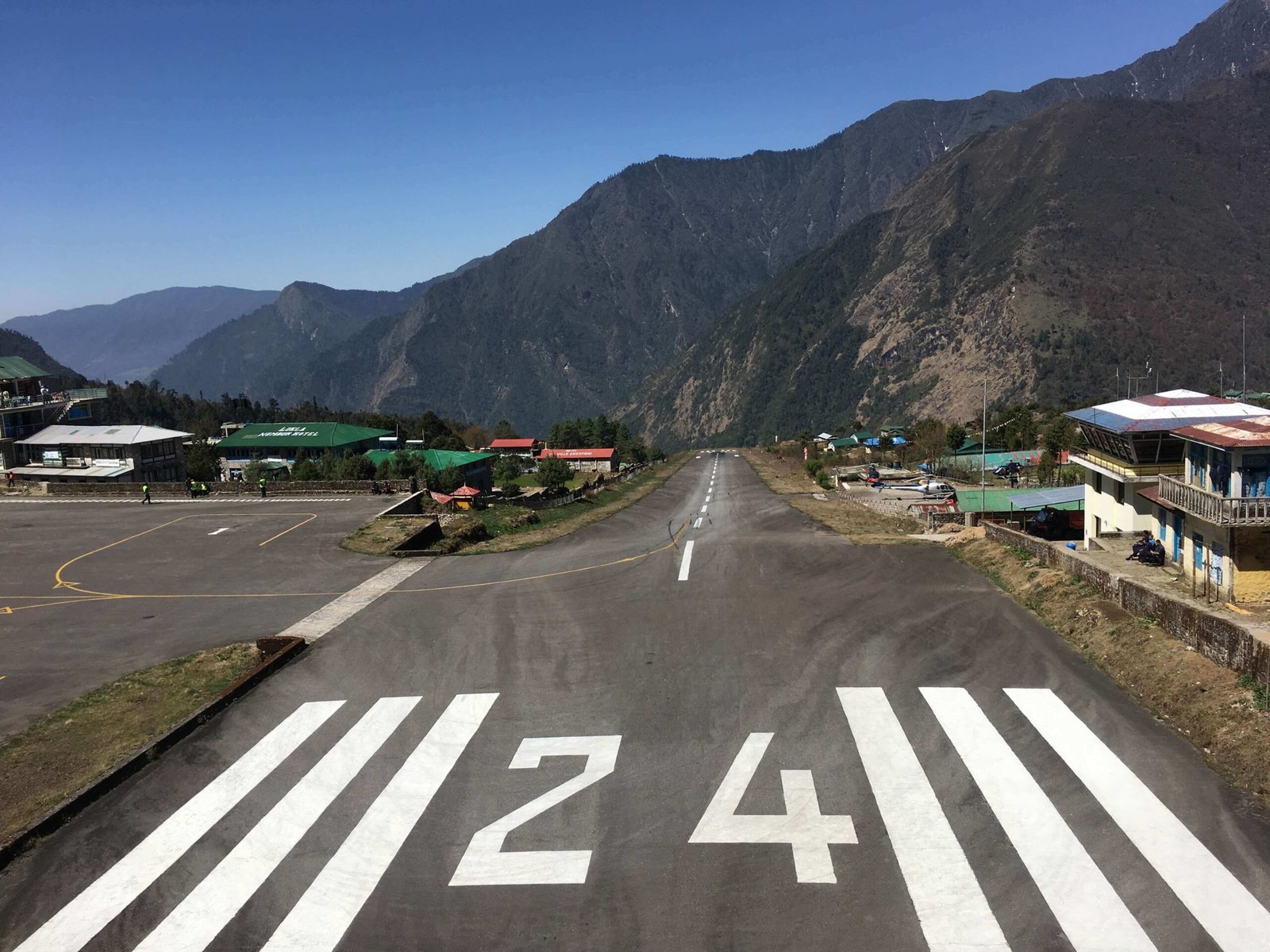
You reach the trail's starting point via a scenic mountain flight to Lukla Airport.
➔
Is the flight to Lukla safe?
Yes, Lukla flights are operated by highly experienced mountain pilots who fly only in clear, safe weather.
➔
What happens if my Lukla flight is delayed or canceled?
Flight schedules shift to the next clear day or alternative helicopter rides can be organized if requested.
➔
What is the mode of transportation to reach Everest Base Camp?
After landing in Lukla, the remaining journey to Base Camp and back is completed entirely on foot.
Churen Trek - Mobile FAQs

ℹ️ General

+
What is the Everest Base Camp Trek and why is it popular?
It is a world-famous 14-day Himalayan adventure taking you to the base of Mt. Everest through ancient Sherpa villages and stunning landscapes.
+
How difficult is the Everest Base Camp Trek?
The trek is moderately challenging, requiring good physical stamina for multi-day walking but no technical climbing skills.
+
How many days does the trek take in total?
The standard Everest Base Camp Trek itinerary offered by Glorious Eco Trek Nepal takes 14 days in total.
+
Is prior trekking experience necessary for this trip?
No prior trekking experience is mandatory as long as you are healthy, motivated, and in good physical condition.
+
Can solo travelers join a group trek?
Yes, solo travelers can join our organized group departures or trek with a dedicated personal guide.

🏋️ Preparation & Fitness

+
Is the Everest Base Camp Trek physically challenging?
Yes, walking 5 to 7 hours daily over steep mountain terrain at high altitudes tests your endurance.
+
Do I need to train before doing the Everest Base Camp Trek?
Yes, pre-trip physical conditioning makes the journey significantly more comfortable and enjoyable.
+
How many weeks should I train before the EBC trek?
We recommend beginning cardiovascular and endurance training at least 8 to 12 weeks before your trip.
+
What is the best way to prepare for the Everest Base Camp Trek?
Focus on aerobic workouts like running and swimming alongside stair-climbing with a weighted daypack.
+
How can I acclimatize to high altitude faster?
Walk at a steady, slow pace, drink 3-4 liters of water daily, avoid alcohol, and strictly follow our rest day schedules.
+
How many hours will I walk each day during the EBC trek?
You will walk an average of 5 to 7 hours each day depending on the distance between teahouses.
+
Can first-time trekkers do the Everest Base Camp Trek?
Yes, motivated first-time trekkers with a basic fitness foundation successfully complete the trek every year.

🪪 Permits

+
What permits are required for the Everest Base Camp Trek?
You need the Sagarmatha National Park Entry Permit and the Khumbu Pasang Lhamu Rural Municipality Permit.
+
Will Glorious Eco Trek Nepal arrange all the necessary permits?
Yes, our team handles all paperwork and arranges all required permits for you.

🛂 Insurance & Visa

+
Do I need travel insurance for the Everest Base Camp Trek?
Yes, travel insurance is strictly mandatory for all trekkers on this expedition.
+
How do I get a tourist visa for Nepal?
You can fill out the online pre-visa form or apply directly upon arrival at Kathmandu Airport.
+
Can I get a visa on arrival at the airport?
Yes, tourist visas on arrival are available at Tribhuvan International Airport for most nationalities.
+
What should the insurance cover for trekking in Nepal?
Your policy must specifically cover high-altitude medical treatment and emergency helicopter evacuation up to 6,000 meters.

💂 Guides & Support Staff

+
Will I have a guide and porter during the trek?
Yes, our standard trip package includes a licensed local guide and helpful porters.
+
What are the qualifications of your trekking guides?
Our guides are government-certified professionals trained in wilderness first aid and emergency response.
+
Do the guides speak English?
Yes, all of our guides speak fluent English to ensure seamless communication.
+
Will porters carry my luggage during the trek?
Yes, porters carry your main heavy duffel bag so you only carry a small, light daypack.
+
Is tipping guides and porters expected?
Tipping is a traditional way in Nepal to express gratitude to support staff for their hard work.
+
Can I trek to Everest Base Camp without a guide?
No, current government regulations mandate that all foreign trekkers must be accompanied by a licensed guide.

🛏️ Accommodation and Facilities

+
What kind of accommodation is provided during the trek?
You will stay in traditional, cozy mountain teahouses featuring twin-share bedrooms and a central heated dining room.
+
Are hot showers and Wi-Fi available along the trail?
Yes, hot showers and Wi-Fi access cards are available at most teahouses for a small extra fee.
+
Will I get a private room or have to share?
Rooms are structured as twin-sharing for two travelers, though private single rooms can be arranged upon request when available.
+
Can I charge my phone and devices during the trek?
Yes, charging stations are available in teahouse dining rooms for a nominal hourly rate.
+
Are toilets available throughout the trek?
Shared indoor toilets are provided in teahouses, ranging from standard Western seats to traditional squat toilets.

🍲 Food and Drinks

+
What kind of food is available during the trek?
Teahouse menus offer fresh meals like traditional Nepali Dal Bhat, soups, fried rice, noodles, eggs, and pasta.
+
Are vegetarian or vegan meals available?
Yes, vegetarian and vegan choices are widely available and recommended for optimal health at altitude.
+
Is it safe to drink the water during the trek?
Untreated tap water is unsafe; always drink boiled teahouse water or use purification tablets/UV filters.
+
Can I buy snacks and drinks along the way?
Yes, small village shops along the path sell bottled drinks, snacks, and chocolate bars.

🌤️ Weather & Seasons

+
What is the best time to do the Everest Base Camp Trek?
Spring (March to May) and Autumn (September to November) offer clear skies and ideal temperatures.
+
Can I trek during the monsoon or winter season?
Trekking is possible in winter or monsoon, but involves colder conditions, snow, or rain and potential flight delays.
+
What kind of weather can I expect during the trek?
Daytime walking weather is typically pleasant, but night temperatures drop below freezing at high altitudes.

🩺 Health & Safety

+
What happens if I get sick or injured during the trek?
Your guide will provide immediate first aid, arrange descent if needed, or summon a rescue helicopter for emergency transport.
+
How do you handle altitude sickness?
We monitor oxygen levels daily, carry emergency first-aid supplies, and enforce immediate descent if severe symptoms appear.
+
Are there health posts or clinics along the route?
Yes, basic medical posts operate at Namche Bazaar and Pheriche to assist ill or injured trekkers.
+
Is the trek safe for solo female travelers?
Yes, Nepal is very welcoming, and trekking with our vetted licensed guides guarantees safety and security.
+
Do I need to bring medicines for the Everest Base Camp Trek?
Yes, pack personal items like Diamox (for altitude), pain relievers, rehydration salts, and blister treatments.

🎒 Packing & Gear

+
What should I pack for the Everest Base Camp Trek?
Key items include thermal clothing layers, a heavy down jacket, broken-in trekking boots, gloves, and a sleeping bag.
+
Is a sleeping bag necessary?
Yes, a sub-zero rated sleeping bag (-10°C to -15°C) is essential as teahouse rooms are unheated at night.
+
Where can I keep my extra luggage during the trek?
You can store non-trekking travel luggage for free at your hotel in Kathmandu before heading out.
+
What is the luggage weight limit for the Lukla flight?
The domestic Lukla flight weight limit is 15 kg total (10 kg main bag + 5 kg hand carry).
+
How much weight can a porter carry?
A single porter carries up to 25 kg total, usually splitting weight between two trekkers (12.5 kg per person).
+
Where can I buy trekking clothes and gear?
You can easily buy or rent all essential gear at affordable prices in the Thamel district of Kathmandu.

💳 Booking & Payment

+
What is the booking process and payment method for the Everest Base Camp Trek?
You can reserve online with an advance deposit via card or wire transfer, paying the remaining balance in Kathmandu.
+
Is there a cancellation or refund policy?
Yes, we provide flexible cancellation policies clearly outlined in our booking agreement terms.
+
What currency should I carry for expenses along the Everest Base Camp trek?
Carry local Nepali Rupees (NPR) cash for trail purchases as foreign currencies are rarely accepted.
+
Can I use ATMs or credit cards during the trek?
ATMs on the trail are unreliable and cards are rarely accepted, so carrying cash from Kathmandu is mandatory.
+
Are there money exchange services in the Everest Base Camp region?
Money exchange services are available in Namche Bazaar but offer lower rates than Kathmandu banks.
+
How much extra money should I budget per day during the trek?
Budget roughly $15 to $25 per day for extra personal expenses like hot drinks, snacks, showers, and battery charging.
+
Can I book the Everest Base Camp trek if I’m traveling with children?
Yes, healthy children can join provided you arrange a customized, slower-paced itinerary for safety.
+
Should I book the trek well in advance?
Yes, booking 3 to 6 months in advance ensures guaranteed Lukla flight tickets and premium teahouse rooms.

🛫 Transportation & Flight

+
Do you provide airport pick-up and drop-off services?
Yes, private airport pickup and drop-off transfers are included in our package.
+
How do I get to the starting point of the trek?
You reach the trail's starting point via a scenic mountain flight to Lukla Airport.
+
Is the flight to Lukla safe?
Yes, Lukla flights are operated by highly experienced mountain pilots who fly only in clear, safe weather.
+
What happens if my Lukla flight is delayed or canceled?
Flight schedules shift to the next clear day or alternative helicopter rides can be organized if requested.
+
What is the mode of transportation to reach Everest Base Camp?
After landing in Lukla, the remaining journey to Base Camp and back is completed entirely on foot.
💬

Reviews on Everest Base Camp Trek – 14 Days

🟢 225+ Tripadvisor Reviews 🟢🟢🟢🟢🟢
🌐 118+ Excellent Google Reviews ★★★★★
⭐ Based on 45 Reviews ★★★★★
Verified by Trustindex ⓘ
▶

Video Testimonials

Video Testimonial 1
▶
Video Testimonial 2
▶
🏔️ Churen Trek
▶
Video Testimonial 4
▶
US$ 1390 Per Person