Duration
16 Days
Trip Difficulty
Moderate
Start/End Point
Kathmandu
Meals
Breakfast, Lunch, & Dinner
Max Altitude:
5,555m. / 18,225ft.
Group Size
2-15+ People
Best Season
Mar, Apri, May, Sep, Oct, Nov & Dec
Accommodation
3 Star Hotel in KTM / Lodge / Tea House during the Trek
We offer group discount
| 1 person | US$ 1590 |
| 2 people | US$ 1390 |
| 3 - 6 people | US$ 1350 |
| 7 - 10 people | US$ 1290 |
| 11 + people | US$ 1190 |
- Best price guarantee
- Secure & easy online booking
- Flexible booking dates
Speak to an Expert
Everest Base Camp Trek - 16 Days Details Itinerary
-
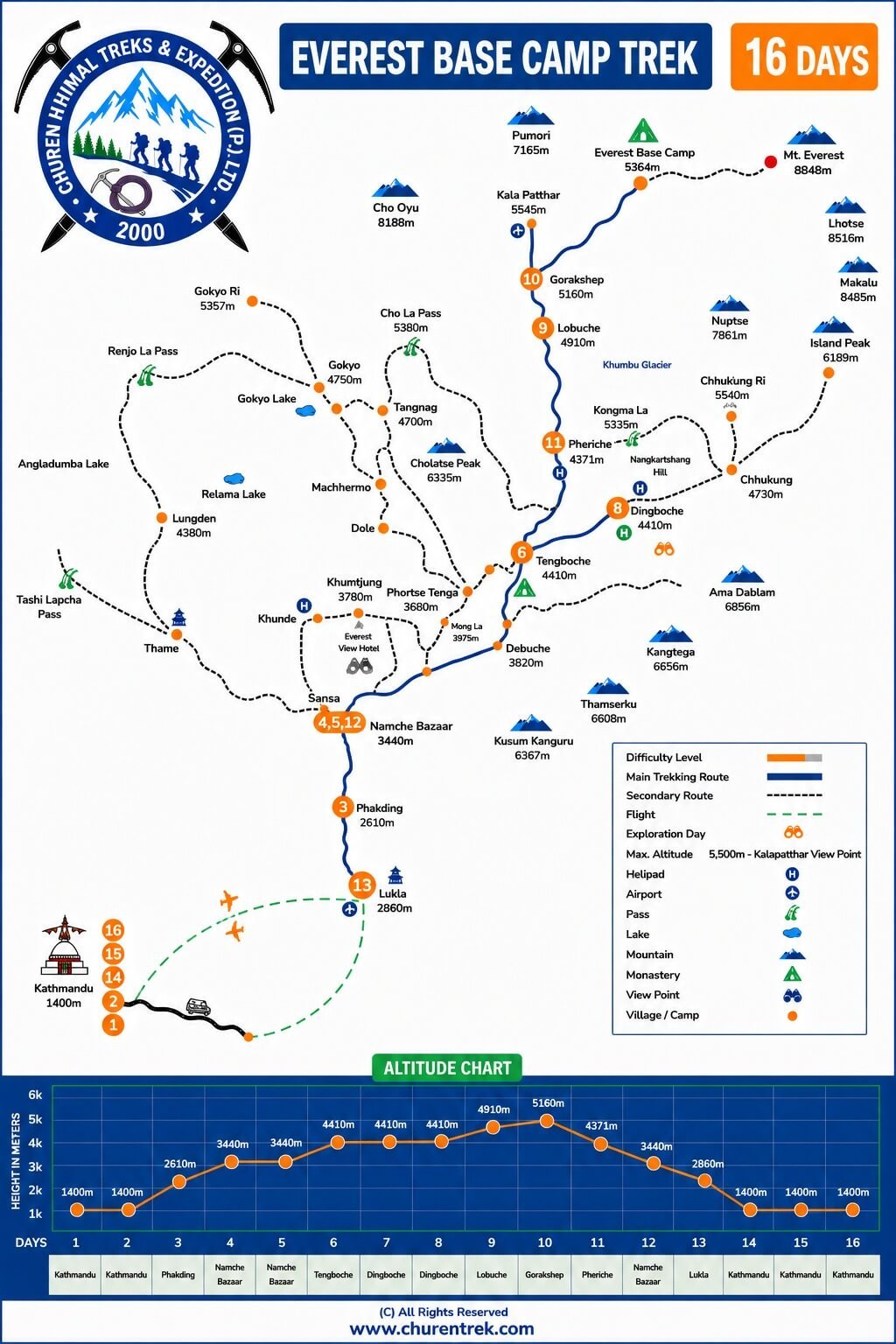
Day 01: Arrival in Kathmandu (1350m) and Transfer to Hotel
Welcome to Nepal. Upon arrival at Tribhuvan International Airport, our representative will meet you outside the arrival area and transfer you to your hotel by private car, van or bus according to your group size. After check-in, you can rest or explore the surrounding area.
In the evening, enjoy a welcome dinner at an authentic Nepalese restaurant with traditional cultural performances. Your trekking team can also provide a short briefing about the upcoming Everest Base Camp adventure.
Airport: Tribhuvan International Airport (KTM), Kathmandu, NepalTransportation: Private car, van, or bus according to group sizeMeal: DinnerAccommodation: 3-star hotel in Kathmandu --- -
Day 02: Full-Day Sightseeing in Kathmandu Valley
After breakfast, explore some of Kathmandu Valley's most important cultural attractions. Visit **Pashupatinath Temple**, one of the most important Hindu pilgrimage sites, followed by **Boudhanath Stupa**, an important Buddhist monument surrounded by monasteries.
Continue to Kathmandu Durbar Square to see historic palaces, temples and courtyards before visiting Swayambhunath Stupa, commonly called the Monkey Temple. The day introduces you to Nepal's diverse religious and cultural heritage before heading into the Everest region.
Duration & Distance: Approximately 4–5 hours / 25–35 km by vehicleMeal: Breakfast, Lunch and DinnerAccommodation: 3-star hotel in Kathmandu -
Day 03: Drive to Ramechhap, Fly to Lukla and Trek to Phakding (2,610m)
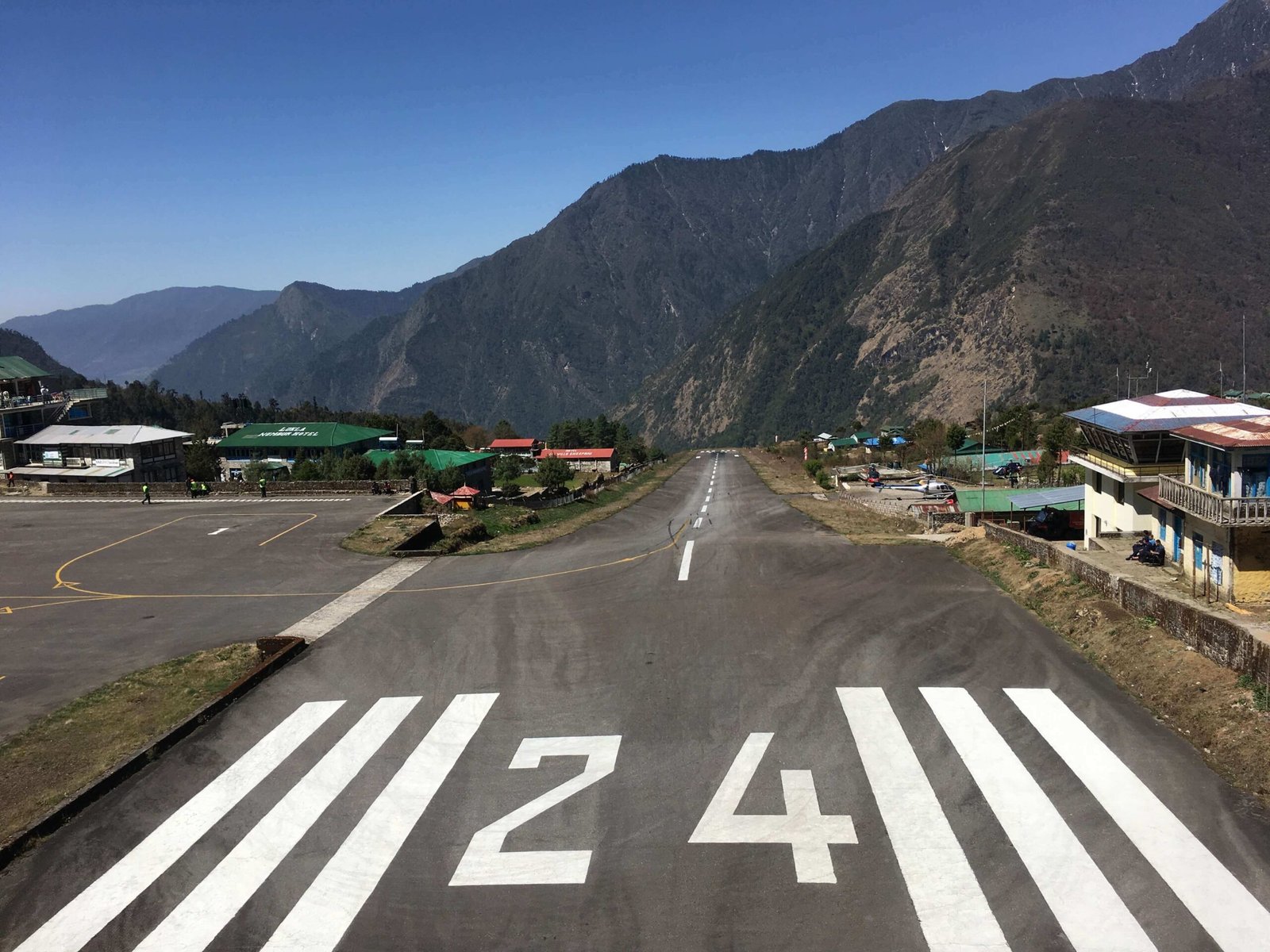
An early morning drive takes you from Kathmandu toward Ramechhap/Manthali Airport when Lukla flights are operating from Ramechhap. Flight operations can change according to season, weather and airport conditions. After landing at Lukla, begin your first Himalayan walk toward Phakding.
The trail passes through small mountain settlements, cultivated fields and sections of the Dudh Koshi Valley. This relatively short opening trek allows your body to begin adjusting to the Himalayan environment.
Duration/Distance: 4–6 hrs drive + 15–25min flight + 3–4 hours trek / 9–10 km trekkingHeight Difference (+/-):+ +200 m / -450 mMeal: Breakfast, Lunch and DinnerAccommodation: Tea house / guest house -
Day 04: Trek from Phakding to Namche Bazaar (3440m)
Today begins beside the Dudh Koshi River. Cross suspension bridges and continue through villages toward Monjo, where you enter the Sagarmatha National Park area. The trail gradually becomes steeper as you approach Namche Bazaar.
The final climb leads to Namche, the famous Sherpa trading town and an important acclimatization point. From the trail, you begin seeing impressive Himalayan peaks as you move deeper into the Khumbu region.
Duration/Distance: 5–7 hours / 10–12 kmHeight Difference: +850 m / -100 mMeals: Breakfast, Lunch and DinnerAccommodation: Tea house / guest house -
Day 05: Acclimatization Day in Namche Bazaar
Today is dedicated to acclimatization. Rather than remaining completely inactive, take a short hike around Namche and nearby viewpoints. An optional walk toward the Everest View Hotel area provides an excellent opportunity to see Everest and surrounding mountains in clear weather.
Spend time exploring Namche's streets, shops and cultural attractions. Drink plenty of water, eat well and rest properly. Acclimatization is an essential part of a safe high-altitude trekking itinerary.
Duration/Distance: 4–6 hours / 4–7 km hikingHeight Difference: +300–500 m / -300–500Meal: Breakfast, Lunch and DinnerAccommodation: Tea house / guest house -
Day 06: Trek from Namche Bazaar to Phortse (3,810m)
Leave Namche and follow a scenic mountain trail toward Phortse. The route provides beautiful views of Everest and other Himalayan peaks while passing through traditional Sherpa settlements and mountain vegetation.
Phortse is known for its scenic location and traditional character. Compared with some of the busier sections of the Everest route, this trail offers a quieter Himalayan experience.
Duration/Distance: 6–7 hours / 12–14 kmHeight Difference: +600–700 m / -300–400 mMeal: Breakfast, Lunch and DinnerAccommodation: Tea house / guest house -
Day 07: Trek from Phortse to Dingboche (4,410m)
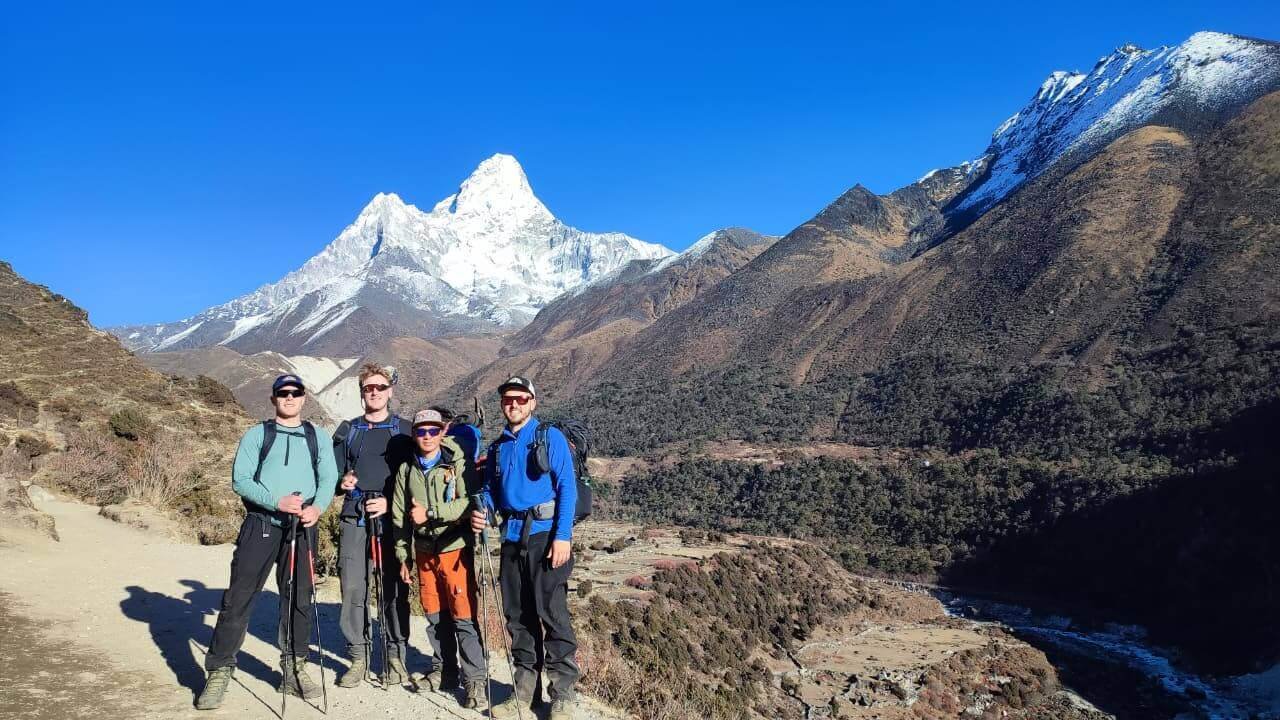
Continue toward Dingboche through the upper Khumbu landscape. The trail gradually enters the Imja Valley, with impressive views of Ama Dablam and other surrounding peaks.
As you gain altitude, the landscape becomes more rugged and vegetation becomes increasingly sparse. Dingboche is an important overnight stop before the higher sections of the Everest Base Camp route.
Duration/Distance: 5–7 hours / 9–11 kmHeight Difference: +650–700 m / -150–250 mMeal: Breakfast, Lunch and DinnerAccommodation: Tea house / guest house -
Day 08: Acclimatization Day in Dingboche
Spend another important acclimatization day in Dingboche. A gradual hike toward Nangkartshang viewpoint or another nearby hill can provide excellent views of Ama Dablam and the surrounding Himalayan landscape.
The purpose is not to exhaust yourself but to gain some additional altitude during the day and return to Dingboche to sleep. Rest, hydration and nutritious meals are important as you prepare for the higher trail.
Duration/Distance: 3–5 hours / 4–6 km hikingHeight Difference: +300–500 m / -300–500 m depending on routeMeal: Breakfast, Lunch and DinnerAccommodation: Tea house / guest house -
Day 09: Trek from Dingboche to Lobuche (4,940m)
The trail continues through the high Himalayan landscape toward Lobuche. The route passes through increasingly barren terrain and offers dramatic views of the surrounding mountains.
Near Thukla, you encounter memorials dedicated to climbers who lost their lives in the Himalayas. From here, the trail continues toward Lobuche, where the thin air and high altitude make a steady pace particularly important.
Duration/Distance: 5–6 hours / 8–10 kmHeight Difference: +550 m / -100 mMeal: Breakfast, Lunch and DinnerAccommodation: Tea house / guest house -
Day 10: Trek from Lobuche to Gorakshep (5,154m) via Everest Base Camp (5,364m)
Today is one of the most important days of the Everest Base Camp Trek. Start early and follow the high-altitude trail toward Gorakshep. After a short break, continue toward Everest Base Camp through the rugged landscape beside the Khumbu Glacier.
At Everest Base Camp, take time to appreciate the achievement and the extraordinary Himalayan surroundings. The views from Base Camp itself differ from the classic panoramic Everest view seen from Kala Patthar. After visiting Base Camp, return to Gorakshep for the night.
Duration/Distance: 7–9 hours / 15–17 kmHeight Difference: +500–550 m / -500–550 mMeal: Breakfast, Lunch and DinnerAccommodation: Tea house / guest house -
Day 11: Gorakshep to Pheriche(4,371m) via Kala Patthar (5,545m)
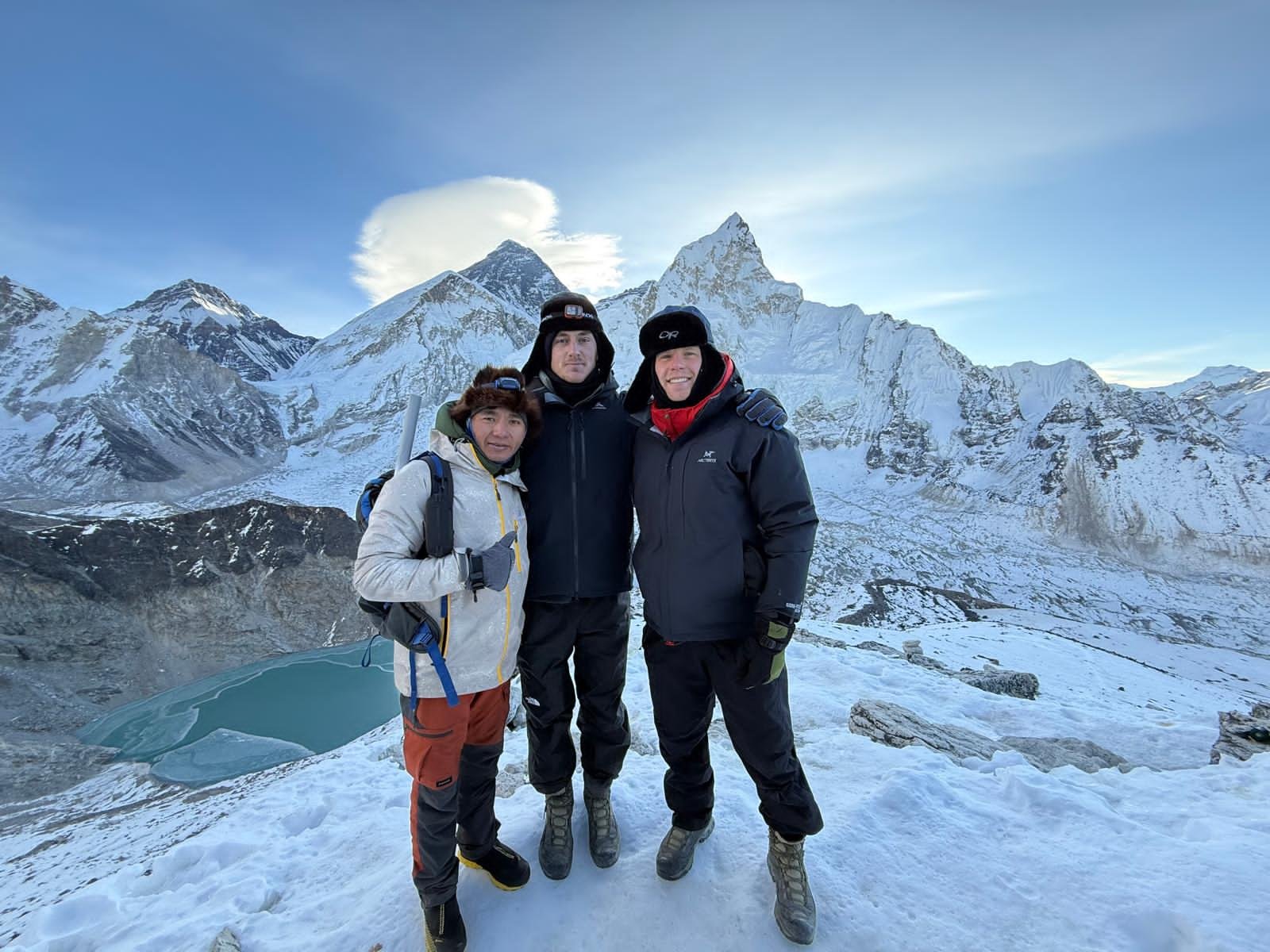
Rise early for the climb to Kala Patthar. The viewpoint reaches approximately 5,545 m and is famous for its broad views of Mount Everest, Nuptse, Lhotse, Pumori and the surrounding Himalayan peaks.
After enjoying the sunrise and mountain panorama, descend to Gorakshep for breakfast before continuing downhill toward Pheriche. The lower altitude usually feels more comfortable after the demanding high-altitude sections.
Duration/Distance: 6–8 hours / 10–13 kmHeight Difference: +400 m / -1,300 mMeal: Breakfast, Lunch and DinnerAccommodation: Tea house / guest house -
Day 12: Trek from Pheriche to Namche Bazaar (3,440m)
Today begins the long descent toward Namche Bazaar. The trail passes through mountain villages and eventually reaches greener landscapes as the altitude decreases.
Depending on the exact route, the journey can pass through areas around Pangboche and Tengboche before continuing toward the Dudh Koshi Valley. Reaching Namche provides a welcome return to a more developed mountain settlement.
Duration/Distance: 6–8 hours / 14–16 kmHeight Difference: +400 m / -1,200 mMeal: Breakfast, Lunch and DinnerAccommodation: Tea house / guest house -
Day 13: Trek from Namche Bazaar to Lukla (2,860m)
Today is your final day on the Everest trekking trail. Descend through the Dudh Koshi Valley, crossing suspension bridges and passing through familiar villages and forests.
Although the trail is mostly downhill, the long distance and repeated small climbs can still make this a demanding day. Arrive in Lukla and celebrate the completion of your Everest Base Camp adventure with your trekking team.
Duration/Distance: 6–8 hours / 17–20 kmHeight Difference: +300–500 m / -1,000–1,200 mMeal: Breakfast, Lunch and DinnerAccommodation: Tea house / guest house -
Day 14: Fly from Lukla to Ramechhap and Drive to Kathmandu (1,350m)
After breakfast, prepare for the flight from Lukla to Ramechhap when operations are scheduled through Manthali. Flight times are dependent on weather, air traffic and operational conditions.
After arriving at Ramechhap, continue by road to Kathmandu. Once at your hotel, take time to relax after the long journey from the Everest region.
Duration/Distance: 15–25min flight +4–6hrs drive/130–140 km by roadHeight Difference: +1,500m / -650mMeal: Breakfast and Lunch/Dinner depending on arrival timeAccommodation: 3-star hotel in Kathmandu -
Day 15: Free Day in Kathmandu
Enjoy a flexible day in Kathmandu after completing the trek. You may rest at the hotel, explore Thamel, purchase souvenirs or visit additional cultural attractions depending on your interests and available time.
This day can also provide useful flexibility if previous mountain flights or transportation were delayed. Enjoy a relaxed final evening in Nepal before your international departure.
Duration/Distance: Flexible / according to optional activitiesHeight Difference: +55m / -1,200mMeal: BreakfastAccommodation: 3-star hotel in Kathmandu -
Day 16: Final Departure
Your Everest Base Camp Trek - 16 Days officially comes to an end today. After breakfast, our representative will transfer you to Tribhuvan International Airport by private car, van or bus according to your group size.
Take home memories of the Everest region, Himalayan scenery, Sherpa culture and the achievement of reaching Everest Base Camp. We wish you a safe and pleasant journey home.
Duration/Distance: 20–40 minutes / 6–8 km airport transferHeight Difference: +15m / -210mMeal: BreakfastAccommodation: Not applicable


Departure Dates

Everest Base Camp Trek – 14 Days
Duration: 14 Days
Kathmandu - Lukla Helicopter Flight
Payment Details


We offer group discount
| 1 person | US$ 1590 |
| 2 people | US$ 1390 |
| 3 - 6 people | US$ 1350 |
| 7 - 10 people | US$ 1290 |
| 11 + people | US$ 1190 |
- Best price guarantee
- Secure & easy online booking
- Flexible booking dates