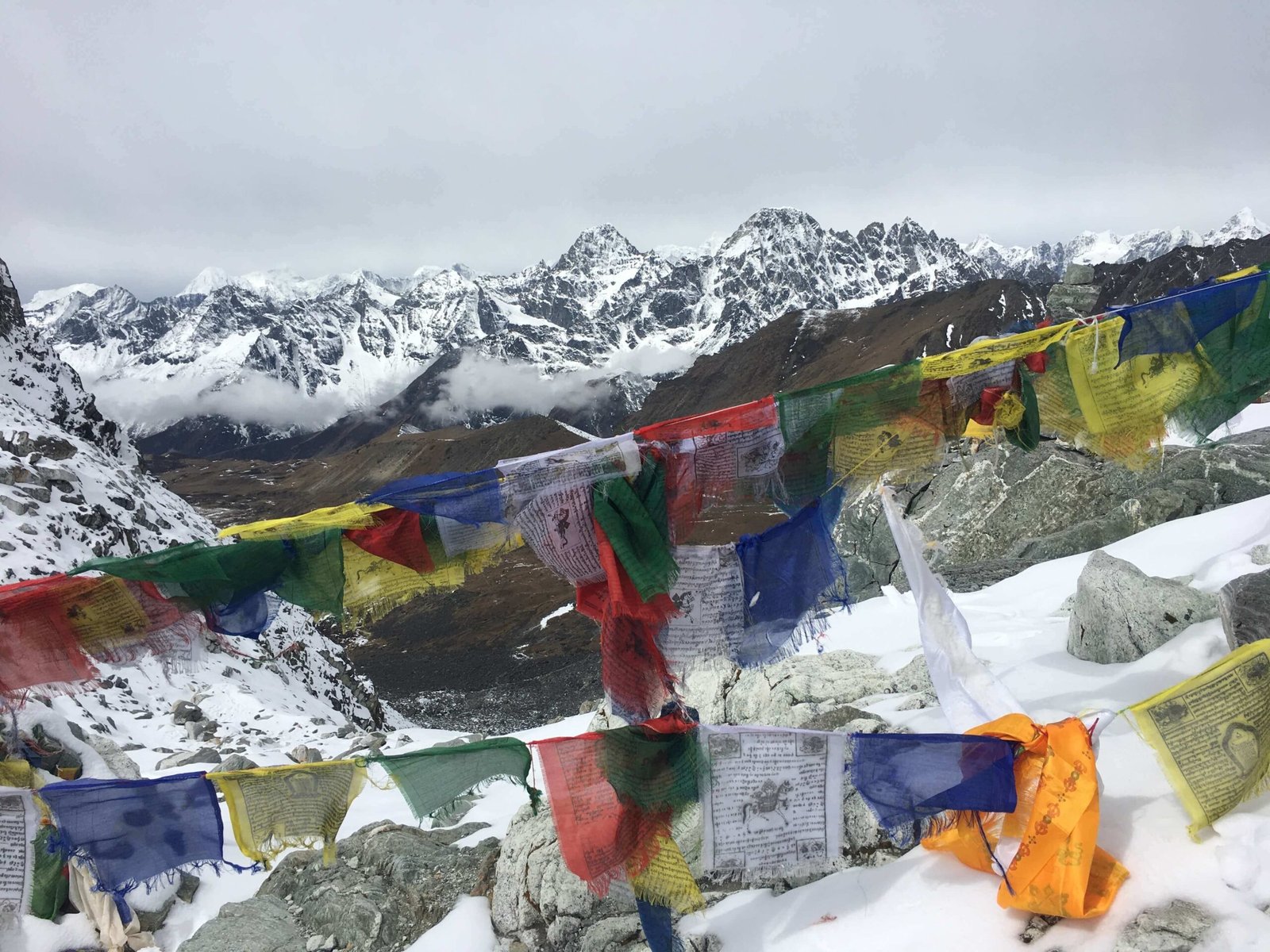
Duration
15 Days
Trip Difficulty
Moderate
Start/End Point
Kathmandu
Meals
Breakfast, Lunch, & Dinner
Max Altitude:
5,555m. / 18,225ft.
Group Size
2-15+ People
Best Season
Mar, Apri, May, Sep, Oct, Nov & Dec
Accommodation
3 Star Hotel in KTM / Lodge / Tea House during the Trek
We offer group discount
| 1 person | US$ 1590 |
| 2 people | US$ 1390 |
| 3 - 6 people | US$ 1350 |
| 7 - 10 people | US$ 1290 |
| 11 + people | US$ 1190 |
- Best price guarantee
- Secure & easy online booking
- Flexible booking dates
Speak to an Expert
Rupina La Pass Trek Itinerary
-
Day 01: Arrival in Kathmandu and Hotel Transfer
Arrive at Tribhuvan International Airport in Kathmandu, where a representative from Churen Himal Treks and Expedition Pvt. Ltd. welcomes you and transfers you to your hotel. Depending on the group size, transportation may be arranged by private car, van or bus.
After settling in, the evening can be used for rest and preparation. A welcome dinner at an authentic Nepalese restaurant provides an opportunity to experience local cuisine and cultural performance before beginning the mountain journey.
Duration: Arrival dayHeight Difference (+/-): Approximately 0m trekkingWalking Distance: No scheduled trekkingMax. Altitude: Kathmandu – approx. 1,350m -
Day 02: Kathmandu Valley Cultural Sightseeing
Spend the day exploring some of the Kathmandu Valley's major cultural landmarks. The itinerary includes Pashupatinath Temple, Boudhanath Stupa, Kathmandu Durbar Square and Swayambhunath.
The sightseeing day provides cultural context before heading toward the mountains. It is also useful for organizing final trekking preparations, checking equipment and preparing for the road journey to Barpak.
Duration: Full dayHeight Difference (+/-): No trekking elevation gainWalking Distance / Max. Altitude: Sightseeing walking only / Kathmandu Valley -
Day 03: Drive from Kathmandu to Barpak
Leave Kathmandu and travel toward Barpak, a well-known mountain settlement in Gorkha. The journey transitions from the Kathmandu Valley into the hill landscapes of central Nepal.
The road journey is an important part of the itinerary because the trek begins from Barpak. Road conditions can vary, and actual travel time may be affected by traffic, weather and local road conditions. After reaching Barpak, settle into the local accommodation and prepare for the trekking days ahead.
Duration: Approximately 7–8 hoursHeight Difference (+/-): Road journey; approximately +600m based on supplied elevationsWalking Distance: No scheduled trekkingMax. Altitude: Barpak – approx. 1,950m -
Day 04: Barpak to Gupsi Pakha
The trekking journey begins from Barpak as the trail climbs toward Gupsi Pakha. The elevation gain introduces you to the physical demands of the route while providing an opportunity to settle into the rhythm of Himalayan trekking.
The landscape changes progressively as the trail gains height. Because the route is remote, facilities should be regarded as more basic than those found on heavily visited trekking routes. Overnight at Gupsi Pakha and prepare for further elevation gain.
Duration: Approximately 5 hoursHeight Difference (+/-): Approximately +750mWalking Distance: Not specified in supplied itineraryMax. Altitude: Gupsi Pakha – approx. 2,700m -
Day 05: Gupsi Pakha to Lamro Kharka
Continue higher from Gupsi Pakha toward Lamro Kharka. The route increasingly enters a higher mountain environment as the elevation rises above 3,000 meters.
Today's steady ascent makes pacing important. Trekkers should avoid rushing and pay attention to hydration, rest and how they are responding to increasing altitude. The evening at Lamro Kharka provides an opportunity to recover before the higher stages of the journey.
Duration: Approximately 6 hoursHeight Difference (+/-): Approximately +600mWalking Distance: Not specified in supplied itineraryMax. Altitude: Lamro Kharka – approx. 3,300m -
Day 06: Lamro Kharka to Mishra Kharka
The route continues upward from Lamro Kharka to Mishra Kharka, reaching approximately 4,000 meters. This is one of the significant altitude-gain days of the itinerary.
The surroundings become increasingly alpine, and weather conditions can be more variable at this elevation. A controlled pace is important. The overnight stop at approximately 4,000 meters also makes altitude awareness particularly important before continuing toward High Camp and Rupina La.
Duration: Approximately 6 hoursHeight Difference (+/-): Approximately +700mWalking Distance: Not specified in supplied itineraryMax. Altitude: Mishra Kharka – approx. 4,000m -
Day 07: Mishra Kharka to High Camp
Today's trek is shorter in terms of stated walking time, but the elevation makes it an important preparation day. From Mishra Kharka, continue toward High Camp, reaching approximately 4,200 meters.
The additional time at high altitude can be useful for rest and preparation for the Rupina La crossing. Weather at this elevation can change quickly, so the final decision to cross the pass should always consider current local conditions and the condition of the trail.
Duration: Approximately 3 hoursHeight Difference (+/-): Approximately +200mWalking Distance: Not specified in supplied itineraryMax. Altitude: High Camp – approx. 4,200m -
Day 08: High Camp to Rupina La Pass and Meme Kharka
This is the defining day of the trek. Leave High Camp and ascend toward Rupina La Pass, the highest point of the itinerary at approximately 4,610 meters. The pass crossing combines substantial elevation with potentially challenging weather and trail conditions.
After reaching the pass, descend toward Meme Kharka, approximately 3,300 meters according to the supplied itinerary. The descent is substantial, so trekkers should remain attentive to footing and fatigue. Actual pass-crossing duration and route conditions can vary considerably depending on snow, weather and trail conditions.
Duration: Approximately 6 hoursHeight Difference (+/-): Approximately +410m / -1,310m based on supplied elevationsWalking Distance: Not specified in supplied itineraryMax. Altitude: Rupina La Pass – approx. 4,610m -
Day 09: Meme Kharka to Zhong Kharka
Continue from Meme Kharka toward Zhong Kharka. The supplied itinerary lists both locations at approximately 3,300 meters, but this should not be interpreted as meaning the trail is completely level. Himalayan trails can involve repeated short ascents and descents even when overnight elevations are similar.
Following the demanding pass-crossing day, today's route provides an opportunity to continue through the remote landscape while gradually moving toward lower elevations and settlements.
Duration: Approximately 6 hoursHeight Difference (+/-): Approximately 0m based on supplied overnight elevationsWalking Distance: Not specified in supplied itineraryMax. Altitude: Zhong Kharka – approx. 3,300m -
Day 10: Zhong Kharka to Nyak Village
The trail descends substantially from Zhong Kharka toward Nyak Village, listed at approximately 2,200 meters. The reduction in elevation marks a clear transition from the higher alpine environment toward lower mountain landscapes.
The descent can place considerable stress on the legs, particularly after the pass-crossing section. A steady pace and appropriate footwear are important. Nyak provides a more settled environment for an overnight stay before the route continues toward Salleri.
Duration: Approximately 6 hoursHeight Difference (+/-): Approximately -1,100m based on supplied elevationsWalking Distance: Not specified in supplied itineraryMax. Altitude: Approximately 3,300m at the start -
Day 11: Nyak Village to Salleri
Continue descending from Nyak toward Salleri, with the supplied itinerary placing Salleri at approximately 1,400 meters. The lower elevation brings another noticeable change in the surrounding environment.
After several days in high and remote terrain, the route toward Salleri represents another stage of the descent. Trail conditions can vary, and the actual walking time depends on the route used, weather and local conditions.
Duration: Approximately 6 hoursHeight Difference (+/-): Approximately -800mWalking Distance: Not specified in supplied itineraryMax. Altitude: Approximately 2,200m at the start -
Day 12: Salleri to Machha Khola
Continue from Salleri toward Machha Khola, listed at approximately 869 meters. The route leaves the higher mountain environment behind and progresses toward the lower-elevation river corridor.
This is the final major trekking day of the supplied itinerary. After reaching Machha Khola, take time to rest and recover before the following day's road journey back to Kathmandu.
Duration: Approximately 6 hoursHeight Difference (+/-): Approximately -531m based on supplied elevationsWalking Distance: Not specified in supplied itineraryMax. Altitude: Approximately 1,400m at start -
Day 13: Drive from Machha Khola to Kathmandu
Leave Machha Khola and travel by road toward Kathmandu. The stated journey time is approximately eight hours, but actual road travel can vary because of traffic, weather, road conditions and local transportation circumstances.
On arrival in Kathmandu, check into the hotel and use the evening to rest after the mountain journey. The following day is deliberately kept free in the supplied itinerary.
Duration: Approximately 8 hoursHeight Difference (+/-): Road journey; approximately +481m based on supplied elevationsWalking Distance: No scheduled trekkingMax. Altitude: Kathmandu – approx. 1,350m -
Day 14: Free Day in Kathmandu
Enjoy a free day in Kathmandu after completing the trek. You can use the time for relaxation, shopping, additional sightseeing or personal activities.
Keeping a free day toward the end of the itinerary also gives travelers some flexibility following the mountain and road sections of the journey. It is an opportunity to enjoy Kathmandu at a more relaxed pace before international departure.
Duration: Full dayHeight Difference (+/-): No scheduled trekkingWalking Distance: Optional personal activitiesMax. Altitude: Kathmandu – approx. 1,350m -
Day 15: Final Departure
Your Rupina La Pass Trek itinerary concludes with a transfer to Tribhuvan International Airport for your international flight. The transfer should be scheduled according to your confirmed departure time.
For international travel, it is sensible to allow adequate time for airport procedures and road traffic in Kathmandu.
Duration: Departure dayHeight Difference (+/-): No trekkingWalking Distance: No scheduled trekkingMax. Altitude: Kathmandu – approx. 1,350m


Departure Dates

Everest Base Camp Trek – 14 Days
Duration: 14 Days
Kathmandu - Lukla Helicopter Flight
Payment Details


We offer group discount
| 1 person | US$ 1590 |
| 2 people | US$ 1390 |
| 3 - 6 people | US$ 1350 |
| 7 - 10 people | US$ 1290 |
| 11 + people | US$ 1190 |
- Best price guarantee
- Secure & easy online booking
- Flexible booking dates