Churen Trek

Confirmed Booked Group, You Can Join for 2026 & 2027 Know More

Manaslu and Tsum Valley Trek – 28 Days

Duration

28 Days

Trip Difficulty

Moderate

Start/End Point

Kathmandu

Meals

Breakfast, Lunch, & Dinner

Max Altitude:

5,555m. / 18,225ft.

Group Size

2-15+ People

Best Season

Mar, Apri, May, Sep, Oct, Nov & Dec

Accommodation

3 Star Hotel in KTM / Lodge / Tea House during the Trek
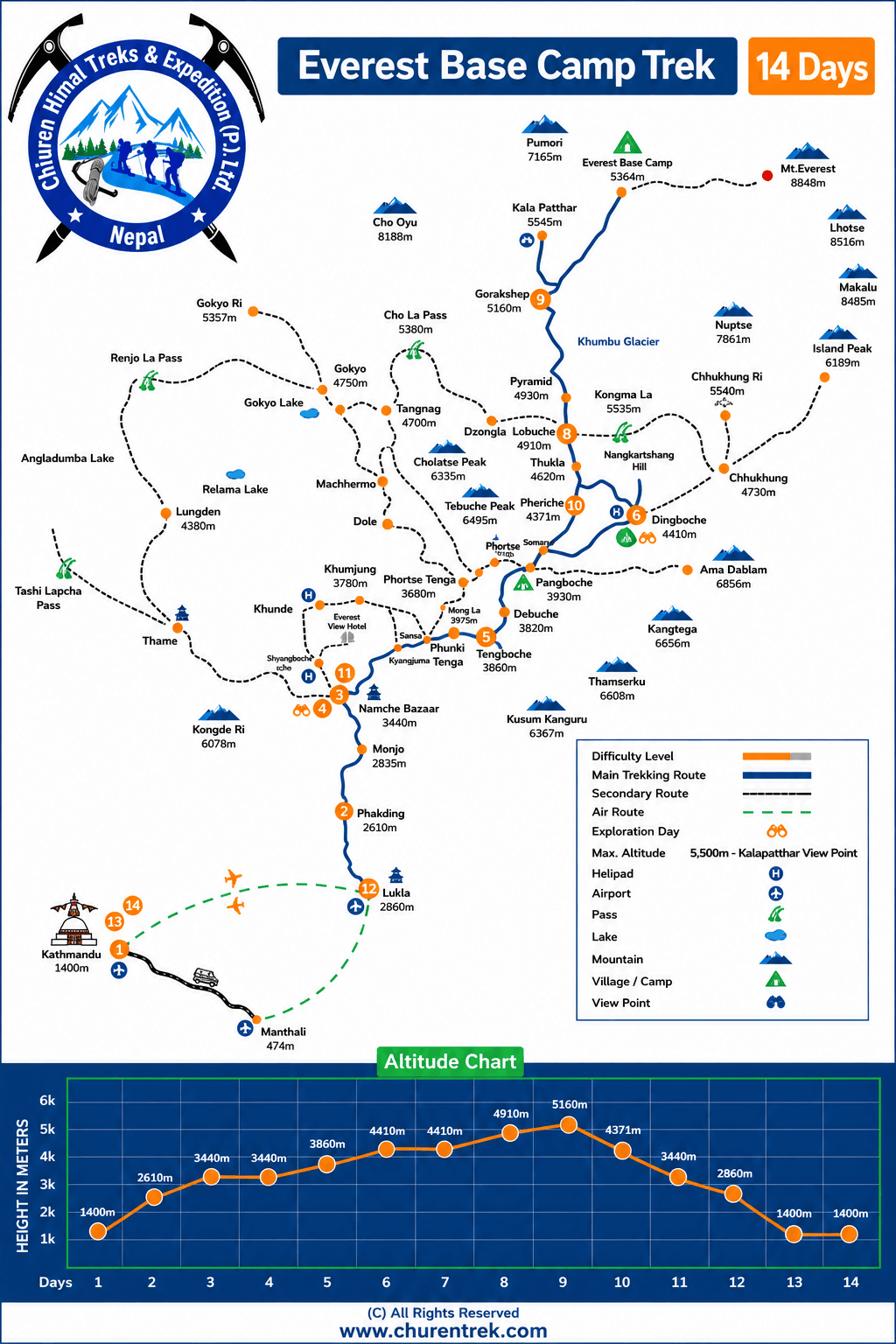
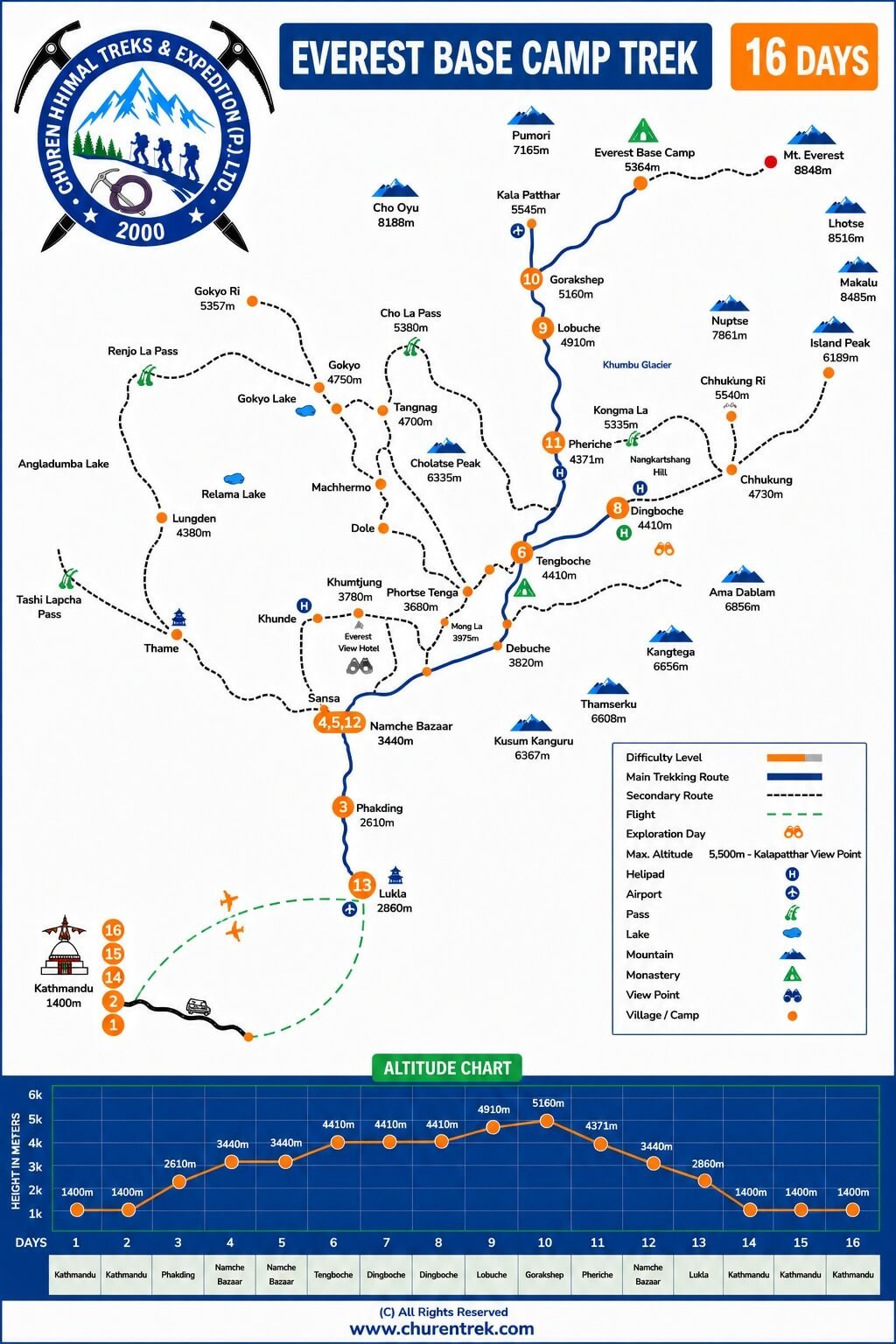
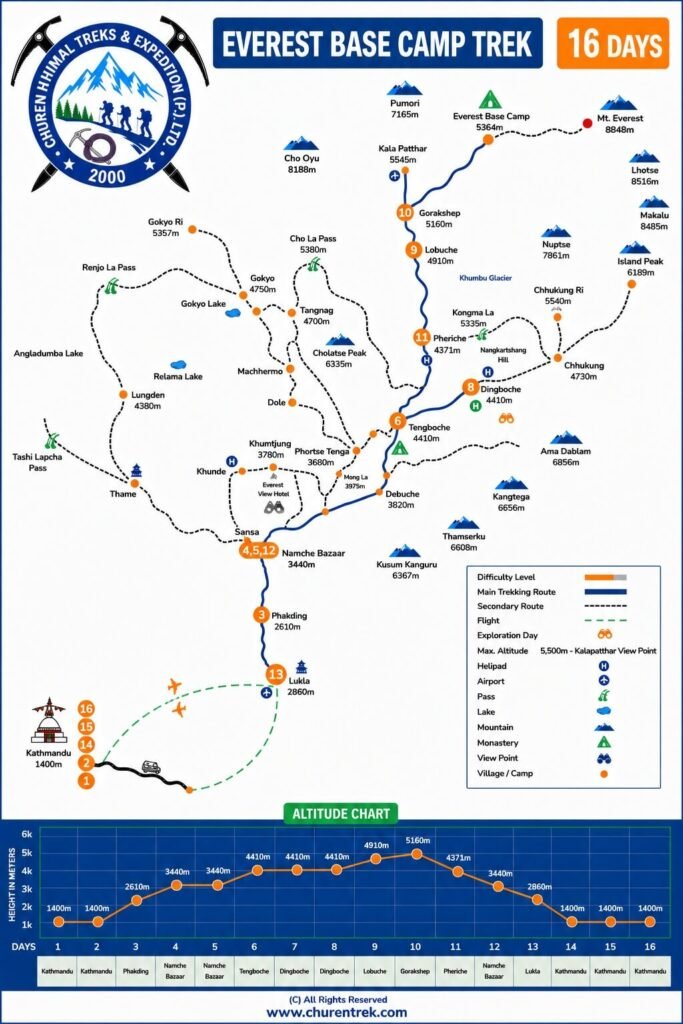
Everest Base Camp Trek Route Map
Everest Base Camp Trek – 16 Days route map
Everest Base Camp Trek Route Map Full Zoom View
Link copied to clipboard!
Price starts US$ 1720
1390 US$

We offer group discount

1 personUS$ 1590
2 peopleUS$ 1390
3 - 6 peopleUS$ 1350
7 - 10 peopleUS$ 1290
11 + peopleUS$ 1190
  • Best price guarantee
  • Secure & easy online booking
  • Flexible booking dates

Speak to an Expert

Sujan
Nepal 🇳🇵
WhatsApp +9779851233710

Manaslu and Tsum Valley Trek – 28 Days Highlights

  • Deep Exploration of the Sacred Tsum Valley: Journey into the Beyul, a hidden Buddhist valley where the slaughter of animals is strictly forbidden by centuries-old non-violence decrees (Shagya).
  • Historic Mu Gompa Exploration: Reach the northernmost spiritual outpost of Tsum Valley at 3,700 meters, home to ancient scriptures and monastic heritages near the Tibetan border.
  • Spiritual Solitude at Rachen Gompa and Gumba Lungdang: Visit historic nunneries nestled against sheer rock walls, featuring ancient murals, statues, and direct views of the Ganesh Himal range.
  • The Challenging Larkya La Pass Crossing: Conquer the demanding alpine pass at 5,160 meters, offering panoramic views of Himlung Himal, Cheo Himal, Kang Guru, and Annapurna II.
  • Cultural Footprint via Barpak and Laprak: Experience firsthand the resilient Gurung culture, stone-roofed villages, and beautiful community dynamics of the northern Gorkha hillsides.
  • Unrivaled Proximity to Mt. Manaslu (8,163m): Acquire dramatic, shifting perspectives of the "Mountain of the Spirit" from the high-altitude vantage points of Lho, Samagaon, and Samdo.
  • Acclimatization Excursions in Samagaon: Hike to the pristine glacial expanse of Birendra Tal or ascend to Manaslu Base Camp (4,800m) to study the active icefall.
  • Bhimthang Alpine Amphitheater: Descend into a vast, glacier-carved valley framed by the towering walls of the Mt. Manaslu West Face and Phungi Himal.
  • Pristine Ecosystems of the MCAP and ACAP: Trek through diverse ecological zones, from subtropical sub-tropical broadleaf forests up through rhododendron and pine woodlands to alpine tundra.
  • Full Logistical Support by Churen Himal Treks: Experience a secure expedition managed by a vetted, legal Nepalese agency utilizing wilderness-first-aid certified guides.

Manaslu and Tsum Valley Trek – 28 Days Overview

The Manaslu and Tsum Valley Trek (28 Days) stands as one of the most immersive, culturally profound, and geographically diverse high-altitude wilderness expeditions in the Nepalese Himalaya. Traversing the ancestral homelands of the Gurung and Tibetan-descent communities, this extended itinerary seamlessly bridges two distinct regions: the deeply spiritual, hidden valley of Tsum—known anciently as a Beyul or sacred sanctuary—and the classic, rugged circumambulation of Mt. Manaslu (8,163 meters), the eighth-highest peak on Earth.

Unlike compressed commercial variations, this definitive 28-day journey begins with a historic foot-trek through the epicenters of the 2015 earthquake, Barpak and Laprak. It then charts a deep course into the Upper Tsum Valley up to Mu Gompa, before returning to track the spectacular Budhi Gandaki river corridor upward to cross the formidable Larkya La Pass at 5,160 meters. Designed specifically for experienced trekkers, wilderness photographers, and cultural purists, this expedition offers unparalleled immersion into intact Tibetan Buddhist heritages, remote monastic life, and pristine alpine ecosystems managed under the Manaslu Conservation Area Project (MCAP).

Everest Three High Passes Trek - 22 Days Details Itinerary

  • Day 01: Arrival in Kathmandu and Welcome to Nepal
    +

    Arrive in Kathmandu and meet the Churen Himal Treks and Expedition team for airport transfer to your hotel. After check-in and some time to recover from the journey, there is an opportunity to receive a briefing about the trek, equipment and upcoming mountain flight.

    In the evening, the itinerary includes a welcome dinner accompanied by a traditional Nepalese cultural performance. It is a relaxed introduction to Nepal before the high-altitude adventure begins.

    Route: Tribhuvan International Airport → Kathmandu hotel
    Altitude: 1,350 m
    Walking Duration: Not applicable
    Walking Distance: No scheduled trekking
    Elevation Gain (+): —
    Elevation Loss (-): —
    Meals: Dinner
    Accommodation: Hotel
  • Day 02: Kathmandu Valley Cultural Sightseeing
    +

    Use the second day to explore some of Kathmandu Valley's important cultural and religious landmarks. The sightseeing program includes Pashupatinath Temple, Boudhanath Stupa, Kathmandu Durbar Square and Swayambhunath.

    The day provides a cultural contrast to the Himalayan environment ahead. It is also useful for final preparation, equipment checks and ensuring that everything needed for the mountain journey is ready before departure for Lukla.

    Route: Kathmandu → Pashupatinath → Boudhanath → Kathmandu Durbar Square → Swayambhunath
    Altitude: ~1,350 m
    Walking Duration: Sightseeing walking
    Walking Distance: Variable; not counted in trek total
    Elevation Gain (+): Not calculated
    Elevation Loss (-): Not calculated
    Meals: Breakfast
    Accommodation: Hotel
  • Day 03: Fly to Lukla and Trek to Phakding
    +

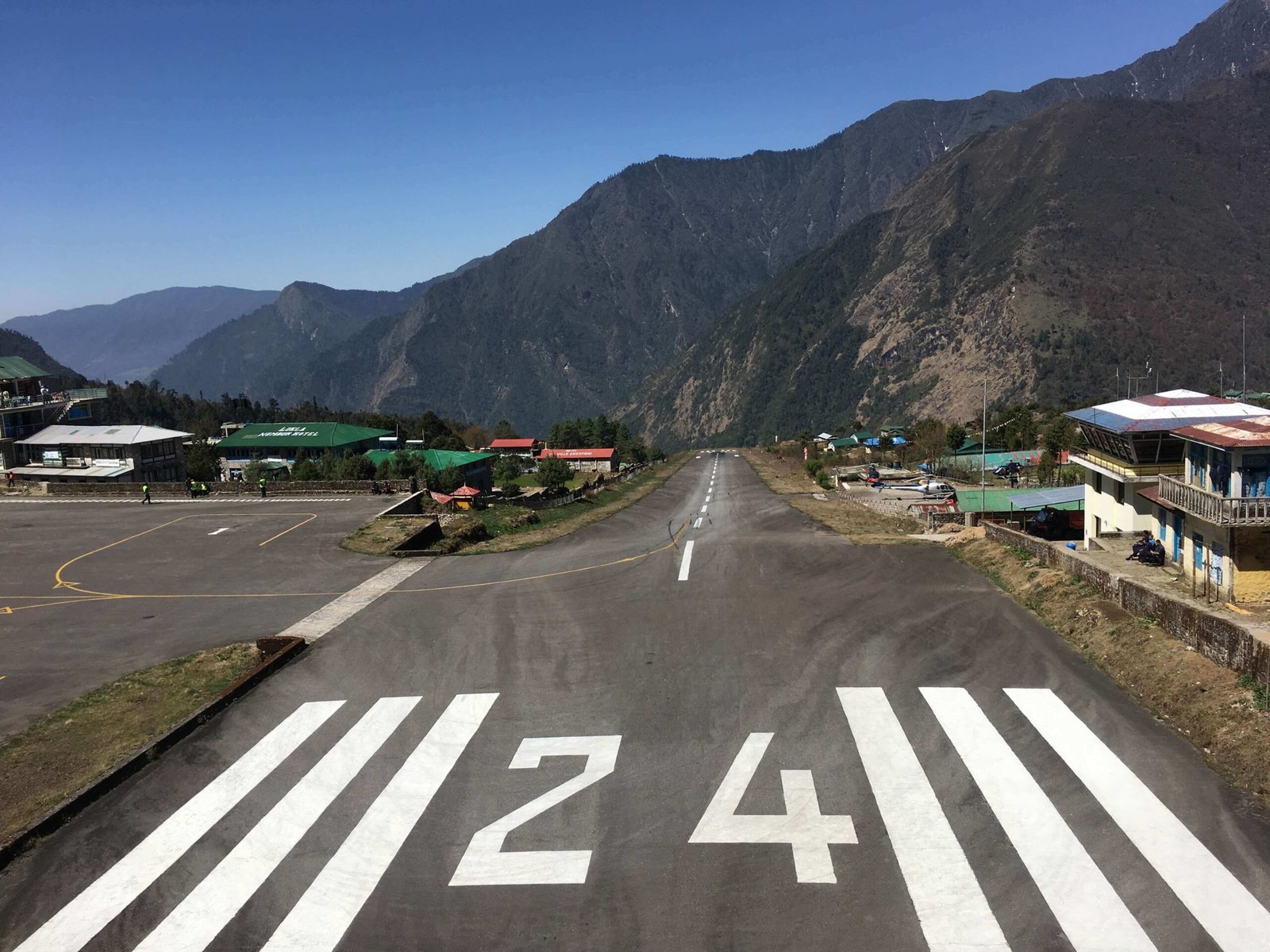
    The Himalayan adventure begins with a flight toward Lukla, the principal gateway for trekking in the Everest region. Flight schedules are subject to weather and operational conditions.

    After arriving in Lukla, the trail descends gradually through villages and woodland toward Phakding. The first walking day is intentionally moderate, allowing trekkers to begin adapting to the altitude without an immediate long ascent.

    Route: Kathmandu → Lukla → Phakding
    Altitude: Lukla 2,860 m; Phakding ~2,610 m
    Walking Duration: Approximately 3–4 hours
    Walking Distance: Approximately 8 km
    Elevation Gain (+): Minimal overall
    Elevation Loss (-): Approximately 250 m net
    Meals: Breakfast, Lunch, Dinner
    Accommodation: Tea house
  • Day 04: Trek from Phakding to Namche Bazaar
    +

    The trail follows the Dudh Koshi valley toward Monjo, where the route enters Sagarmatha National Park. Suspension bridges, pine forests and Sherpa settlements characterize much of the journey.

    After crossing the river and climbing steadily, the trail reaches Namche Bazaar. The final ascent is demanding because of the rapid elevation gain, but the arrival in Namche marks an important stage of the trek. The bustling mountain settlement becomes the base for acclimatization.

    Route: Phakding → Monjo → Sagarmatha National Park → Namche Bazaar
    Altitude: Namche Bazaar ~3,440 m
    Walking Duration: Approximately 5–6 hours
    Walking Distance: Approximately 10–11 km
    Elevation Gain (+): Approximately 800–850 m
    Elevation Loss (-): Approximately 100 m
    Meals: Breakfast, Lunch, Dinner
    Accommodation: Tea house
  • Day 05: Acclimatization Day in Namche Bazaar
    +

    Today is dedicated to acclimatization rather than progressing to another overnight destination. A short hike above Namche can help the body adapt while providing views across the Khumbu landscape.

    The exact acclimatization walk can be adjusted according to weather, fitness and the group's condition. Spending the night again at Namche is an important part of preparing for the increasingly high elevations ahead.

    Route: Namche Bazaar → acclimatization hike → Namche Bazaar
    Altitude: Namche Bazaar ~3,440 m
    Walking Duration: Approximately 3–5 hours depending on hike
    Walking Distance: Optional; approximately 4–7 km depending on route
    Elevation Gain (+): Optional
    Elevation Loss (-): Optional
    Meals: Breakfast, Lunch, Dinner
    Accommodation: Tea house
  • Day 06: Namche Bazaar to Tengboche
    +

    The trail leaves Namche along a scenic contour route with expansive views of the Himalayan peaks. The route passes through woodland and descends toward the Dudh Koshi valley before climbing again toward Tengboche.

    Tengboche Monastery is one of the cultural highlights of the Everest region. Its elevated setting provides a dramatic mountain backdrop, while the surrounding forest and Himalayan peaks create a distinct atmosphere after the busy Namche section.

    Route: Namche Bazaar → Kyangjuma → Phunki Tenga → Tengboche
    Altitude: Tengboche ~3,860 m
    Walking Duration: Approximately 5–6 hours
    Walking Distance: Approximately 10 km
    Elevation Gain (+): Approximately 400–500 m
    Elevation Loss (-): Approximately 100–150 m
    Meals: Breakfast, Lunch, Dinner
    Accommodation: Tea house
  • Day 07: Tengboche to Dingboche
    +

    The trail descends through woodland toward Deboche before continuing through traditional settlements including Pangboche. As the route moves higher, vegetation becomes increasingly sparse and the surrounding landscape opens into a broad alpine environment.

    Dingboche is an important high-altitude settlement and a strategic stopping point before Chhukung and the first major pass. The increasingly thin air makes pacing and hydration more important.

    Route: Tengboche → Deboche → Pangboche → Dingboche
    Altitude: Dingboche ~4,410 m
    Walking Duration: Approximately 5–6 hours
    Walking Distance: Approximately 10–11 km
    Elevation Gain (+): Approximately 550 m
    Elevation Loss (-): Approximately 100 m
    Meals: Breakfast, Lunch, Dinner
    Accommodation: Tea house
  • Day 08: Dingboche to Chhukung
    +

    A relatively short walking day takes the route deeper into the Imja Valley toward Chhukung. The shorter distance is valuable because the itinerary is entering the high-altitude section where the body needs time to adapt.

    Chhukung sits beneath an impressive mountain amphitheater and serves as the staging point for the Chhukung Ri hike and the subsequent Kongma La crossing. The surrounding peaks and rugged valley terrain make the transition from lower Khumbu to high Himalayan country particularly evident.

    Route: Dingboche → Chhukung
    Altitude: Chhukung ~4,730–4,750 m
    Walking Duration: Approximately 2–3 hours
    Walking Distance: Approximately 5 km
    Elevation Gain (+): Approximately 300–350 m
    Elevation Loss (-): Minimal
    Meals: Breakfast, Lunch, Dinner
    Accommodation: Tea house
  • Day 09: Chhukung Ri Acclimatization Hike
    +

    The day is devoted to an ascent of Chhukung Ri, one of the itinerary's important acclimatization and mountain-view hikes. The climb is steep and should be approached at a controlled pace, particularly because the route reaches above 5,500 m.

    From higher points on the ridge, the surrounding peaks and glacial valleys create a dramatic Himalayan panorama. Returning to Chhukung for another night allows the body to recover before the first major high-pass crossing.

    Route: Chhukung → Chhukung Ri → Chhukung
    Altitude: Chhukung ~4,730–4,750 m; Chhukung Ri ~5,500–5,550 m
    Walking Duration: Approximately 5–7 hours
    Walking Distance: Approximately 6–7 km
    Elevation Gain (+): Approximately 800 m
    Elevation Loss (-): Approximately 800 m
    Meals: Breakfast, Lunch, Dinner
    Accommodation: Tea house
  • Day 10: Cross Kongma La to Lobuche
    +

    The first major pass crossing begins early as the trail climbs away from Chhukung toward Kongma La. The ascent is demanding, with steep terrain and potentially snow-covered sections depending on conditions.

    After reaching the pass, the route descends toward the Lobuche area. The dramatic change from high pass to glacial valley makes this one of the trek's most memorable days. Conditions can be demanding, so the crossing should always be assessed according to weather, snow and the group's physical condition.

    Route: Chhukung → Kongma La → Lobuche
    Altitude: Kongma La ~5,535 m; Lobuche ~4,940 m
    Walking Duration: Approximately 7–9 hours
    Walking Distance: Approximately 10–11 km
    Elevation Gain (+): Approximately 800–850 m
    Elevation Loss (-): Approximately 600–700 m
    Meals: Breakfast, Lunch, Dinner
    Accommodation: Tea house
  • Day 11: Everest Base Camp and Return to Gorak Shep
    +

    The trail continues toward Gorak Shep and then follows the rugged route toward Everest Base Camp. The landscape becomes increasingly stark, with moraine, rock and glacial terrain replacing the greener environments of the lower valleys.

    At Everest Base Camp, trekkers can experience one of the defining destinations of the Khumbu. The route then returns to Gorak Shep for the night. Because of the elevation and demanding terrain, steady pacing is particularly important.

    Route: Lobuche → Gorak Shep → Everest Base Camp → Gorak Shep
    Altitude: Gorak Shep ~5,164 m; Everest Base Camp ~5,364 m
    Walking Duration: Approximately 7–9 hours
    Walking Distance: Approximately 11–12 km
    Elevation Gain (+): Approximately 400–450 m cumulative
    Elevation Loss (-): Approximately 400–450 m cumulative
    Meals: Breakfast, Lunch, Dinner
    Accommodation: Tea house
  • Day 12: Kala Patthar Sunrise and Trek to Dzongla
    +

    An early start takes trekkers toward Kala Patthar, one of the best-known viewpoints on the Everest trekking circuit. The climb is steep at altitude, but clear conditions can reveal an extraordinary panorama of Everest and surrounding Himalayan peaks.

    After returning toward Gorak Shep, the route branches away from the standard Everest Base Camp return path and heads toward Dzongla. The descent provides some recovery from the extreme elevation before the next high-pass challenge.

    Route: Gorak Shep → Kala Patthar → Gorak Shep → Dzongla
    Altitude: Kala Patthar ~5,550–5,650 m; Dzongla ~4,830 m
    Walking Duration: Approximately 7–9 hours
    Walking Distance: Approximately 11–12 km
    Elevation Gain (+): Approximately 450–500 m
    Elevation Loss (-): Approximately 750–850 m
    Meals: Breakfast, Lunch, Dinner
    Accommodation: Tea house
  • Day 13: Cross Cho La to Thangnak
    +

    The second major crossing, Cho La, connects the Everest Base Camp side of the Khumbu with the Gokyo Valley. The trail climbs steeply from Dzongla and may involve snow or icy terrain depending on the season.

    The pass crossing is physically demanding, particularly after the previous days around Everest Base Camp and Kala Patthar. Once across the pass, the route descends toward Thangnak/Dragnag, where a lower overnight elevation provides an important opportunity to recover.

    Route: Dzongla → Cho La → Thangnak/Dragnag
    Altitude: Cho La ~5,420 m; Thangnak ~4,700 m
    Walking Duration: Approximately 6–8 hours
    Walking Distance: Approximately 8–10 km
    Elevation Gain (+): Approximately 600 m
    Elevation Loss (-): Approximately 700 m
    Meals: Breakfast, Lunch, Dinner
    Accommodation: Tea house
  • Day 14: Thangnak to Gokyo Village
    +

    After the demanding Cho La crossing, today's route is comparatively short. The trail follows the high Himalayan landscape toward Gokyo, one of the most spectacular settlements in the Khumbu.

    Gokyo sits beside the famous Gokyo Lakes and beneath a dramatic ring of mountains. The quieter atmosphere contrasts with the busier Everest Base Camp corridor and gives trekkers time to appreciate the high-altitude lake environment.

    Route: Thangnak/Dragnag → Gokyo
    Altitude: Gokyo ~4,790 m
    Walking Duration: Approximately 3–4 hours
    Walking Distance: Approximately 4–5 km
    Elevation Gain (+): Approximately 100 m
    Elevation Loss (-): Minimal
    Meals: Breakfast, Lunch, Dinner
    Accommodation: Tea house
  • Day 15: Gokyo Ri and Gokyo Lakes Exploration
    +

    An ascent of Gokyo Ri provides a major panoramic highlight of the circuit. From the viewpoint, trekkers can appreciate the surrounding high Himalayan landscape and the chain of glacial lakes below.

    The remainder of the day can be used to explore the Gokyo Lakes area according to weather and group energy. This combination of a high viewpoint and alpine lakes makes Gokyo one of the defining destinations on the Three Passes circuit.

    Route: Gokyo → Gokyo Ri → Gokyo Lakes → Gokyo
    Altitude: Gokyo ~4,790 m; Gokyo Ri ~5,350–5,360 m
    Walking Duration: Approximately 4–6 hours
    Walking Distance: Approximately 5–7 km
    Elevation Gain (+): Approximately 550–600 m
    Elevation Loss (-): Approximately 550–600 m
    Meals: Breakfast, Lunch, Dinner
    Accommodation: Tea house
  • Day 16: Cross Renjo La to Lungden
    +

    The final major pass of the itinerary is Renjo La. The trail climbs steadily away from Gokyo and reaches another high Himalayan crossing above 5,000 m.

    After crossing Renjo La, the route descends substantially toward Lungden. The change in elevation and landscape is significant, and the descent can be demanding on the legs after the steep ascent to the pass. Completing Renjo La marks the achievement of all three major high passes.

    Route: Gokyo → Renjo La → Lungden
    Altitude: Renjo La ~5,360 m; Lungden ~4,380 m
    Walking Duration: Approximately 7–9 hours
    Walking Distance: Approximately 10–12 km
    Elevation Gain (+): Approximately 550–600 m
    Elevation Loss (-): Approximately 950–1,000 m
    Meals: Breakfast, Lunch, Dinner
    Accommodation: Tea house
  • Day 17: Lungden to Thame
    +

    The trail continues down the Bhote Koshi valley toward Thame, a historic Sherpa settlement away from the main Everest Base Camp route. After several consecutive days above 4,000 m, the lower elevation provides a welcome change.

    Thame has strong connections with Sherpa mountaineering history and offers a different cultural perspective on the Khumbu. The landscape also feels quieter than the main Everest trekking corridor.

    Route: Lungden → Thame
    Altitude: Thame ~3,820 m
    Walking Duration: Approximately 4–5 hours
    Walking Distance: Approximately 9–11 km
    Elevation Gain (+): Minimal
    Elevation Loss (-): Approximately 550–600 m
    Meals: Breakfast, Lunch, Dinner
    Accommodation: Tea house
  • Day 18: Thame to Namche Bazaar
    +

    The trail leaves Thame and gradually reconnects with the main Khumbu trekking network before reaching Namche Bazaar. The route passes through familiar Himalayan landscapes as the trek begins its final descent toward Lukla.

    Returning to Namche offers an opportunity to rest, enjoy the settlement's facilities and reflect on the three-pass circuit. The hardest high-altitude sections are now behind the group.

    Route: Thame → Namche Bazaar
    Altitude: Namche Bazaar ~3,440 m
    Walking Duration: Approximately 5–6 hours
    Walking Distance: Approximately 10–11 km
    Elevation Gain (+): Approximately 150–250 m
    Elevation Loss (-): Approximately 500–600 m
    Meals: Breakfast, Lunch, Dinner
    Accommodation: Tea house
  • Day 19: Namche Bazaar to Lukla
    +

    The final trekking day follows the route back toward Lukla. The trail descends through the Dudh Koshi valley, passing familiar villages and suspension bridges before the final climb toward Lukla.

    Although the altitude is considerably lower, this is a relatively long walking day. Reaching Lukla completes the trekking portion of the Three High Passes circuit and provides time to prepare for the flight back to Kathmandu.

    Route: Namche Bazaar → Phakding → Lukla
    Altitude: Lukla ~2,860 m
    Walking Duration: Approximately 6–8 hours
    Walking Distance: Approximately 18–20 km
    Elevation Gain (+): Limited overall
    Elevation Loss (-): Approximately 1,500–1,600 m net
    Meals: Breakfast, Lunch, Dinner
    Accommodation: Tea house
  • Day 20: Fly from Lukla to Kathmandu
    +

    After completing the circuit, take the scheduled flight from Lukla toward Kathmandu, subject to weather and operational conditions.

    The flight provides a final aerial perspective of the Himalayan region before returning to Nepal's capital. Once in Kathmandu, the remainder of the day can be spent resting, shopping or relaxing at the hotel.

    Route: Lukla → Kathmandu
    Altitude: Kathmandu ~1,350 m
    Walking Duration: Not applicable
    Walking Distance: No scheduled trekking
    Elevation Gain (+): —
    Elevation Loss (-): —
    Meals: Breakfast
    Accommodation: Hotel
  • Day 21: Kathmandu Free Day and Flight Contingency
    +

    Day 21 is intentionally kept flexible. The supplied itinerary identifies it as a free day in Kathmandu and a contingency day for possible flight delays, which is particularly useful on an itinerary involving Lukla flights.

    If the return flight operated as planned, the day can be used for additional Kathmandu exploration, shopping or relaxation. Keeping this day uncommitted also reduces the risk of connecting an international departure immediately after a potentially weather-affected mountain flight.

    Route: Kathmandu
    Altitude: ~1,350 m
    Walking Duration: Optional
    Walking Distance: Not included in trekking total
    Elevation Gain (+): —
    Elevation Loss (-): —
    Meals: Breakfast
    Accommodation: Hotel
  • Day 22: Final Departure from Kathmandu
    +

    Your Everest Three High Passes adventure concludes with transfer to Tribhuvan International Airport for your onward flight.

    Depending on your departure schedule, there may be time for a final breakfast or last-minute shopping before leaving Nepal. The supplied itinerary concludes with final departure from Kathmandu.

    Route: Kathmandu hotel → Tribhuvan International Airport
    Altitude: Kathmandu ~1,350 m
    Walking Duration: Not applicable
    Walking Distance: No scheduled trekking
    Elevation Gain (+): —
    Elevation Loss (-): —
    Meals: Breakfast
    Accommodation: Not applicable

Cost Includes

  • Arrival and Departure : Airport - Hotel transfers – Airport (Pick Up and Drop) by private Car/Van/Bus as per group size.
  • Accommodation in Kathmandu : 4 nights sharing a twin bedroom at a hotel (3 Star Category) in Kathmandu on a bed & breakfast basis.
  • Welcome Dinner : 1 complementary Welcome dinner in a typical Nepali restaurant with a cultural program in Kathmandu.
  • Permits : All necessary paper works: Trekking Permit (including MCAP & ACAP) and special–restricted area permit, TIMS Card & Tsum Nubri Rural Municipality Entry Permit and its fee.
  • Staff Insurance : Insurance for all involved Nepalese staff during the trek.
  • Map : Manaslu Region Trekking map.
  • Member Transportation : Land Transportation: Kathmandu – Barpak and while returning Dharapani - Kathmandu (by reserved Jeep and Bus, as per itinerary)
  • Member Luggage : Up to 15 Kg per member for personal baggage during the trek carried by porters.
  • Foods & Lodging : Food 3 meals a day (BLD; including tea and coffee) along with accessible accommodation at Hotel/Lodge/Tea house/Camp during the trek.
  • Guide : Local government-licensed Guide (English speaking) during the trek and sight-seeing in Kathmandu valley.
  • Porter : A Strong helpful porter with proper equipment (2 trekkers: 1 porter) during the trek.
  • Staff Salary & Allowance : All Nepalese staff & porters' daily wages, salary, equipment, food & clothing.
  • Valley Sightseeing : Sightseeing in Kathmandu Valley [ Swoyambu (Monkey temple),Boudhanath stupa ,Pasupatinath Temple and Kathmandu Durbar Square] by a professional guide.
  • Medical Kit : Comprehensive Medical kit.
  • Complimentary Services From Churen Himal : Oximeter to check your pulse, oxygen saturation, and heart rate,Daily seasonal fruits for dessert,Churen Himal Duffle Bag for the Trek ,Churen Himal Trekking T-Shirt or Cap, oxygen bottle on hand in an emergency (in group) Satellite phone for emergency.
  • Certificate : Adventure certificate & Token of Love after successful trekking

Cost Excludes

  • International Airfare : International flight airfare (from and to Kathmandu).
  • Nepal Visa Fees : 15 Days – 30 USD,30 Days – 50 USD & 90 Days – 125 USD)
  • Lunch & Dinner : Lunch & dinner during the stay in Kathmandu (also in case of early return from Trekking than the scheduled itinerary).
  • Extra Nights in Kathmandu : Extra nights’ accommodation in Kathmandu. In case of early arrival or late departure, early return from Trekking (due to any reason) than the scheduled itinerary.
  • Insurance : Travel and high altitude insurance, accident, medical & emergency evacuation.
  • Rescue Evacuation : Medical Insurance and emergency rescue evacuation cost if required. (Rescue, Repatriation, Medication, Medical Tests, and Hospitalization costs.) *mandatory
  • Personal Expenses : Telephone calls, Internet, Toiletries, battery recharge, hot shower, laundry, soft drinks, beer, and any alcoholic beverages.
  • Personal Equipment : Clothing, Packing Items or Bags, Personal Medical Kit, Personal Trekking Gears, etc.
  • Toiletries : Soaps, shampoos, toilet and tissue papers, toothpaste, and other items used to keep yourself clean.
  • Filming : Special Filming, Camera, and Drone permit fee.
  • Internet Service : Internet facility during the trek is not included.
  • Extra Porter : $20 USD for an extra porter per day (If an extra porter is demanded).
  • Tips : Tipping is a culture in Nepal and is expected by your staff (guides, porters, drivers)
  • Extra : Any other services or activities not mentioned in the itinerary. Any other item not listed in the “Cost Includes” section.

Departure Dates

Starting Date End Date Availability Price

Trip Information

Trek Difficulty

The 28-day Manaslu and Tsum Valley Trek is classified as a Strenuous and Challenging high-altitude expedition. It is significantly more demanding than standard Himalayan treks due to its duration, the remote nature of the terrain, and the sustained periods spent at high elevations. Trekkers must be prepared to walk for 5 to 8 hours daily over 22 consecutive days of foot travel, carrying a daypack across rocky trails, steep stone staircases, exposed ridge lines, and unstable moraines.

The most physically challenging section is the crossing of the Larkya La Pass at 5,160 meters, which requires a pre-dawn departure, walking in freezing temperatures, and navigating steep scree slopes or snow patches. The combination of sustained physical exertion and thinning air places demands on the cardiovascular system.

Previous experience with multi-day alpine trekking is highly recommended. To ensure a safe and enjoyable journey, participants should implement a rigorous pre-trek conditioning program focused on aerobic fitness, leg strength, and endurance for at least 3 to 4 months prior to departure.

Permits

Because the Manaslu and Tsum Valley regions border Tibet, the Government of Nepal classifies them as restricted areas to preserve their unique cultural heritage and sensitive ecosystems. It is legally mandatory to trek with a minimum of two participants accompanied by a licensed Nepalese guide registered with a legitimate trekking agency like Churen Himal Treks. Independent trekking (without a guide) is prohibited.

[Treker Profile] -> [Licensed Agency] -> [Verifies Passports] -> [Issues Restricted & Park Permits]

The required permits include:

  • Manaslu Restricted Area Permit (RAP): Fees vary by season. In autumn (September–November), the fee is higher than in spring (December–August) for the first seven days, with additional daily charges thereafter.
  • Tsum Valley Restricted Area Permit (RAP): Requires a separate fee structure depending on the season and duration of stay inside the valley gates.
  • Manaslu Conservation Area Permit (MCAP): A fixed fee per person for entry into the protected conservation zone.
  • Annapurna Conservation Area Permit (ACAP): Required because the final exit route from Dharapani passes through the Annapurna conservation sector.

Note: All permit fees are subject to change by Nepal's Department of Immigration. Churen Himal Treks will handle the acquisition of these permits using your original passport upon your arrival in Kathmandu.

Best Time to Trek

  • Spring (March to May): Spring is an excellent season for this expedition. As temperatures warm, the alpine trails become clear of winter snow, and the forests below 3,000 meters come alive with blooming rhododendrons and wild orchids. Days are generally bright and sunny, providing clear views of the mountain peaks. Higher elevations like Mu Gompa and Dharamsala remain cold, but daytime walking conditions are comfortable. The Larkya La Pass is typically stable during these months, though late spring storms can occasionally bring temporary snow accumulation.
  • Autumn (September to November): Autumn is widely considered the peak season for the Manaslu and Tsum Valley circuits. Following the monsoon rains, the atmosphere is clear, offering excellent visibility of the peaks. Weather conditions are generally stable, with minimal rainfall and crisp, clear blue skies. While daytime temperatures are comfortable for trekking, night temperatures drop significantly below freezing at high altitudes like Samdo and Dharamsala. Because of the favorable conditions, tea houses see higher numbers of trekkers during this period.
  • Winter (December to February): Trekking during the winter months presents significant challenges and is generally not recommended for standard groups. Temperatures drop severely at high elevations, and heavy snowfall often blocks the Larkya La Pass, making it impassable without specialized mountaineering equipment. Most tea houses above Samagaon close for the season as locals migrate to lower elevations to escape the cold. For experienced adventurers seeking complete solitude, shorter excursions into the lower Tsum Valley may be possible, but the full 28-day circuit remains impractical.
  • Monsoon (June to August): The summer monsoon brings heavy rains, high humidity, and cloud cover that frequently obscuring the mountain peaks. The lower sections of the trail between Khorlabesi and Jagat become muddy, slippery, and prone to leeches and landslides. Transportation logistics are also commonly disrupted by road washouts along the drive from Kathmandu and Besisahar. Consequently, this itinerary is not operated during the monsoon season.

Accommodation

Accommodation along the 28-Day Manaslu and Tsum Valley Trek consists of local mountain communities running tea houses or guesthouses. These lodges offer basic but comfortable facilities that provide insight into Himalayan mountain culture.

[Low Altitudes: Private Rooms / Attached Bath] ──> [High Altitudes: Twin Share / Common Bath / Solar Showers]

  • Rooms: Standard rooms are arranged on a twin-sharing basis, featuring two simple wooden beds equipped with mattresses, pillows, and bed sheets. At higher elevations (above 3,500m), insulation is basic, and rooms can get quite cold at night. We recommend bringing a high-quality down sleeping bag rated to at least -20°C (-4°F).
  • Toilets and Showers: Bathroom facilities vary by elevation. Lower down, you may find Western-style flush toilets and running water. At higher altitudes, facilities transition to shared common restrooms with traditional Asian squat toilets. Hot showers are usually available for an additional fee, powered by solar heating or gas cylinders.
  • Common Areas: Every tea house features a central dining hall centered around a wood or yak-dung burning stove. This common area serves as the primary space for meals, warmth, and evening briefings with your guide.
  • Electricity and Connectivity: Solar charging facilities for electronic devices (phones, cameras, power banks) and Wi-Fi access are available at most tea houses for a small additional fee. However, connections can be intermittent due to weather conditions and the remote location.

Food and Drinks

Meals on the trek are served directly through the kitchens of the tea houses where you stay. The menus feature a surprising variety of hearty dishes designed to meet the nutritional needs of high-altitude hikers.

  • Dal Bhat: The traditional Nepalese staple consists of rice, lentil soup (dal), seasonal vegetable curry, and spicy pickles. It is nutritious, prepared fresh daily, and offers unlimited refills, making it the preferred choice for both guides and trekkers.
  • Western and Regional Variety: Menus also include items like vegetable noodles, fried rice, pasta, momos (steamed dumplings), porridge, pancakes, eggs, and freshly baked Tibetan bread.
  • Dietary Restrictions: Vegetarian and vegan preferences can be accommodated throughout the entire route. We recommend prioritizing vegetarian options at higher elevations, as meat must be carried up by porters without refrigeration, increasing the risk of foodborne issues.
  • Hydration: Staying hydrated is critical for preventing altitude sickness. You should aim to drink 4 to 5 liters of water daily. You can purchase boiled water from tea houses or treat local tap water using water purification tablets, chlorine drops, or specialized UV filtration systems.

Guide and Porter

Under Nepal’s restricted area trekking regulations, hiring a licensed guide is mandatory for the Manaslu and Tsum Valley regions. Churen Himal Treks provides certified guides who have extensive experience navigating high-altitude routes.

Your guide handles all logistical coordination, including managing permits at government checkpoints, securing the best available rooms in tea houses, monitoring trail safety, and providing insight into the local Buddhist customs and history. They are also trained to monitor group health, track oxygen saturation levels, and manage altitude sickness protocols.

Porters are an integral part of the support staff, carrying the bulk of your heavy gear in duffel bags (typically up to 15kg per trekker, with one porter shared between two clients). This allows you to walk with just a light daypack containing your camera, water, extra layers, and personal items, helping you conserve energy for the challenging terrain ahead.

Packing List

  • Technical Clothing: Moisture-wicking base layers (merino wool or synthetic), Mid-layer insulating fleece jackets, Waterproof and windproof shell jacket and trousers (Gore-Tex or similar), High-loft down jacket rated for sub-freezing temperatures, Convertible trekking trousers and durable hiking shorts, Warm wool socks and lighter liner socks
  • Footwear and Headwear: Sturdy, broken-in trekking boots with good ankle support, Lightweight camp shoes or sandals for evening use, UV-protection sunglasses (Category 3 or 4), Warm fleece beanie or balaclava, Wide-brimmed sun hat and neck gaiter
  • Equipment and Gear: Four-season sleeping bag rated to -20°C (-4°F), 50–60 liter main duffel bag (carried by porter), 25–35 liter daypack with a waterproof rain cover, Adjustable trekking poles with carbide tips, Reliable headlamp with extra batteries or charging cable, 2-liter hydration bladder or durable aluminum water bottles
  • Personal Items and Electronics: Broad-spectrum sunscreen (SPF 50+) and protective lip balm, Personal first-aid kit including blister treatments and Diamox (if prescribed), Biodegradable wet wipes, hand sanitizer, and quick-dry travel towel, High-capacity power bank (20,000mAh+) to charge electronics, Water purification tablets or an electronic UV water purifier

Transportation

The 28-Day Manaslu and Tsum Valley Trek uses private vehicle transfers to ensure a reliable and comfortable journey before and after the trek.

[Kathmandu] ──(Private 4WD Jeep / 7-8 Hrs)──> [Barpak Trailhead]
                                                 │
                                           (22 Days Trekking)
                                                 │
                                                 ▼
[Kathmandu] <──(Private 4WD Jeep / 6-7 Hrs)── [Besisahar / Dharapani]

The journey begins with a private four-wheel-drive Jeep transfer from your hotel in Kathmandu to the trailhead at Barpak. This 7-to-8-hour drive follows the Prithvi Highway before transitioning to a rugged dirt track that winds up into the Gorkha hillsides.

At the end of the foot-trek, a private vehicle meets you at Dharapani or Besisahar for the return journey back to Kathmandu. Using private transport avoids the delays and overcrowding common with local public buses, allowing you to travel safely and comfortably with your gear. No domestic flights are required for this itinerary, making it less susceptible to the weather-related flight delays common in other regions.

Safety and Altitude Considerations

Safety is our highest priority throughout the 28-day expedition. The extended nature of this route means you will spend significant time above 3,500 meters, where the risks of Acute Mountain Sickness (AMS), High Altitude Pulmonary Edema (HAPE), and High Altitude Cerebral Edema (HACE) require careful monitoring.

Our itinerary is designed with a gradual ascent rate and includes a dedicated acclimatization day in Samagaon before ascending past the 4,000-meter mark. Your guide will conduct daily health checks using a pulse oximeter to monitor your heart rate and oxygen saturation levels.

It is vital to communicate any early symptoms of altitude sickness—such as persistent headaches, dizziness, loss of appetite, or sleep disruption—to your guide immediately. The most effective treatment for progressive AMS is rapid descent to lower elevations. Trekkers are required to carry comprehensive travel insurance that explicitly covers high-altitude mountain rescue up to 6,000 meters, including emergency helicopter evacuation.

Cost and Inclusions/Exclusions

The total cost of the 28-Day Manaslu and Tsum Valley Trek varies based on group size, accommodation preferences, and specific service upgrades. Rather than offering a fixed price, Churen Himal Treks provides customized quotes to ensure you receive accurate pricing tailored to your group.

Standard Inclusions: All airport transfers

Price starts US$ 1720
1390 US$

We offer group discount

1 personUS$ 1590
2 peopleUS$ 1390
3 - 6 peopleUS$ 1350
7 - 10 peopleUS$ 1290
11 + peopleUS$ 1190
  • Best price guarantee
  • Secure & easy online booking
  • Flexible booking dates

Speak to an Expert

Sujan
Nepal 🇳🇵
WhatsApp +9779851233710

FAQs for Everest Base Camp Trek – 16 Days

FAQs for Everest Base Camp Trek – 16 Days

ℹ️ General

+
➔
What is the Everest Base Camp Trek and why is it popular?
It is a world-famous 14-day Himalayan adventure taking you to the base of Mt. Everest through ancient Sherpa villages and stunning landscapes.
➔
How difficult is the Everest Base Camp Trek?
The trek is moderately challenging, requiring good physical stamina for multi-day walking but no technical climbing skills.
➔
How many days does the trek take in total?
The standard Everest Base Camp Trek itinerary offered by Glorious Eco Trek Nepal takes 14 days in total.
➔
Is prior trekking experience necessary for this trip?
No prior trekking experience is mandatory as long as you are healthy, motivated, and in good physical condition.
➔
Can solo travelers join a group trek?
Yes, solo travelers can join our organized group departures or trek with a dedicated personal guide.

🏋️ Preparation & Fitness

+
➔
Is the Everest Base Camp Trek physically challenging?
Yes, walking 5 to 7 hours daily over steep mountain terrain at high altitudes tests your endurance.
➔
Do I need to train before doing the Everest Base Camp Trek?
Yes, pre-trip physical conditioning makes the journey significantly more comfortable and enjoyable.
➔
How many weeks should I train before the EBC trek?
We recommend beginning cardiovascular and endurance training at least 8 to 12 weeks before your trip.
➔
What is the best way to prepare for the Everest Base Camp Trek?
Focus on aerobic workouts like running and swimming alongside stair-climbing with a weighted daypack.
➔
How can I acclimatize to high altitude faster?
Walk at a steady, slow pace, drink 3-4 liters of water daily, avoid alcohol, and strictly follow our rest day schedules.
➔
How many hours will I walk each day during the EBC trek?
You will walk an average of 5 to 7 hours each day depending on the distance between teahouses.
➔
Can first-time trekkers do the Everest Base Camp Trek?
Yes, motivated first-time trekkers with a basic fitness foundation successfully complete the trek every year.

🪪 Permits

+
➔
What permits are required for the Everest Base Camp Trek?
You need the Sagarmatha National Park Entry Permit and the Khumbu Pasang Lhamu Rural Municipality Permit.
➔
Will Glorious Eco Trek Nepal arrange all the necessary permits?
Yes, our team handles all paperwork and arranges all required permits for you.

🛂 Insurance & Visa

+
➔
Do I need travel insurance for the Everest Base Camp Trek?
Yes, travel insurance is strictly mandatory for all trekkers on this expedition.
➔
How do I get a tourist visa for Nepal?
You can fill out the online pre-visa form or apply directly upon arrival at Kathmandu Airport.
➔
Can I get a visa on arrival at the airport?
Yes, tourist visas on arrival are available at Tribhuvan International Airport for most nationalities.
➔
What should the insurance cover for trekking in Nepal?
Your policy must specifically cover high-altitude medical treatment and emergency helicopter evacuation up to 6,000 meters.

💂 Guides & Support Staff

+
➔
Will I have a guide and porter during the trek?
Yes, our standard trip package includes a licensed local guide and helpful porters.
➔
What are the qualifications of your trekking guides?
Our guides are government-certified professionals trained in wilderness first aid and emergency response.
➔
Do the guides speak English?
Yes, all of our guides speak fluent English to ensure seamless communication.
➔
Will porters carry my luggage during the trek?
Yes, porters carry your main heavy duffel bag so you only carry a small, light daypack.
➔
Is tipping guides and porters expected?
Tipping is a traditional way in Nepal to express gratitude to support staff for their hard work.
➔
Can I trek to Everest Base Camp without a guide?
No, current government regulations mandate that all foreign trekkers must be accompanied by a licensed guide.

🛏️ Accommodation and Facilities

+
➔
What kind of accommodation is provided during the trek?
You will stay in traditional, cozy mountain teahouses featuring twin-share bedrooms and a central heated dining room.
➔
Are hot showers and Wi-Fi available along the trail?
Yes, hot showers and Wi-Fi access cards are available at most teahouses for a small extra fee.
➔
Will I get a private room or have to share?
Rooms are structured as twin-sharing for two travelers, though private single rooms can be arranged upon request when available.
➔
Can I charge my phone and devices during the trek?
Yes, charging stations are available in teahouse dining rooms for a nominal hourly rate.
➔
Are toilets available throughout the trek?
Shared indoor toilets are provided in teahouses, ranging from standard Western seats to traditional squat toilets.

🍲 Food and Drinks

+
➔
What kind of food is available during the trek?
Teahouse menus offer fresh meals like traditional Nepali Dal Bhat, soups, fried rice, noodles, eggs, and pasta.
➔
Are vegetarian or vegan meals available?
Yes, vegetarian and vegan choices are widely available and recommended for optimal health at altitude.
➔
Is it safe to drink the water during the trek?
Untreated tap water is unsafe; always drink boiled teahouse water or use purification tablets/UV filters.
➔
Can I buy snacks and drinks along the way?
Yes, small village shops along the path sell bottled drinks, snacks, and chocolate bars.

🌤️ Weather & Seasons

+
➔
What is the best time to do the Everest Base Camp Trek?
Spring (March to May) and Autumn (September to November) offer clear skies and ideal temperatures.
➔
Can I trek during the monsoon or winter season?
Trekking is possible in winter or monsoon, but involves colder conditions, snow, or rain and potential flight delays.
➔
What kind of weather can I expect during the trek?
Daytime walking weather is typically pleasant, but night temperatures drop below freezing at high altitudes.

🩺 Health & Safety

+
➔
What happens if I get sick or injured during the trek?
Your guide will provide immediate first aid, arrange descent if needed, or summon a rescue helicopter for emergency transport.
➔
How do you handle altitude sickness?
We monitor oxygen levels daily, carry emergency first-aid supplies, and enforce immediate descent if severe symptoms appear.
➔
Are there health posts or clinics along the route?
Yes, basic medical posts operate at Namche Bazaar and Pheriche to assist ill or injured trekkers.
➔
Is the trek safe for solo female travelers?
Yes, Nepal is very welcoming, and trekking with our vetted licensed guides guarantees safety and security.
➔
Do I need to bring medicines for the Everest Base Camp Trek?
Yes, pack personal items like Diamox (for altitude), pain relievers, rehydration salts, and blister treatments.

🎒 Packing & Gear

+
➔
What should I pack for the Everest Base Camp Trek?
Key items include thermal clothing layers, a heavy down jacket, broken-in trekking boots, gloves, and a sleeping bag.
➔
Is a sleeping bag necessary?
Yes, a sub-zero rated sleeping bag (-10°C to -15°C) is essential as teahouse rooms are unheated at night.
➔
Where can I keep my extra luggage during the trek?
You can store non-trekking travel luggage for free at your hotel in Kathmandu before heading out.
➔
What is the luggage weight limit for the Lukla flight?
The domestic Lukla flight weight limit is 15 kg total (10 kg main bag + 5 kg hand carry).
➔
How much weight can a porter carry?
A single porter carries up to 25 kg total, usually splitting weight between two trekkers (12.5 kg per person).
➔
Where can I buy trekking clothes and gear?
You can easily buy or rent all essential gear at affordable prices in the Thamel district of Kathmandu.

💳 Booking & Payment

+
➔
What is the booking process and payment method for the Everest Base Camp Trek?
You can reserve online with an advance deposit via card or wire transfer, paying the remaining balance in Kathmandu.
➔
Is there a cancellation or refund policy?
Yes, we provide flexible cancellation policies clearly outlined in our booking agreement terms.
➔
What currency should I carry for expenses along the Everest Base Camp trek?
Carry local Nepali Rupees (NPR) cash for trail purchases as foreign currencies are rarely accepted.
➔
Can I use ATMs or credit cards during the trek?
ATMs on the trail are unreliable and cards are rarely accepted, so carrying cash from Kathmandu is mandatory.
➔
Are there money exchange services in the Everest Base Camp region?
Money exchange services are available in Namche Bazaar but offer lower rates than Kathmandu banks.
➔
How much extra money should I budget per day during the trek?
Budget roughly $15 to $25 per day for extra personal expenses like hot drinks, snacks, showers, and battery charging.
➔
Can I book the Everest Base Camp trek if I’m traveling with children?
Yes, healthy children can join provided you arrange a customized, slower-paced itinerary for safety.
➔
Should I book the trek well in advance?
Yes, booking 3 to 6 months in advance ensures guaranteed Lukla flight tickets and premium teahouse rooms.

🛫 Transportation & Flight

+
➔
Do you provide airport pick-up and drop-off services?
Yes, private airport pickup and drop-off transfers are included in our package.
➔
How do I get to the starting point of the trek?
You reach the trail's starting point via a scenic mountain flight to Lukla Airport.
➔
Is the flight to Lukla safe?
Yes, Lukla flights are operated by highly experienced mountain pilots who fly only in clear, safe weather.
➔
What happens if my Lukla flight is delayed or canceled?
Flight schedules shift to the next clear day or alternative helicopter rides can be organized if requested.
➔
What is the mode of transportation to reach Everest Base Camp?
After landing in Lukla, the remaining journey to Base Camp and back is completed entirely on foot.
Churen Trek - Mobile FAQs

ℹ️ General

+
What is the Everest Base Camp Trek and why is it popular?
It is a world-famous 14-day Himalayan adventure taking you to the base of Mt. Everest through ancient Sherpa villages and stunning landscapes.
+
How difficult is the Everest Base Camp Trek?
The trek is moderately challenging, requiring good physical stamina for multi-day walking but no technical climbing skills.
+
How many days does the trek take in total?
The standard Everest Base Camp Trek itinerary offered by Glorious Eco Trek Nepal takes 14 days in total.
+
Is prior trekking experience necessary for this trip?
No prior trekking experience is mandatory as long as you are healthy, motivated, and in good physical condition.
+
Can solo travelers join a group trek?
Yes, solo travelers can join our organized group departures or trek with a dedicated personal guide.

🏋️ Preparation & Fitness

+
Is the Everest Base Camp Trek physically challenging?
Yes, walking 5 to 7 hours daily over steep mountain terrain at high altitudes tests your endurance.
+
Do I need to train before doing the Everest Base Camp Trek?
Yes, pre-trip physical conditioning makes the journey significantly more comfortable and enjoyable.
+
How many weeks should I train before the EBC trek?
We recommend beginning cardiovascular and endurance training at least 8 to 12 weeks before your trip.
+
What is the best way to prepare for the Everest Base Camp Trek?
Focus on aerobic workouts like running and swimming alongside stair-climbing with a weighted daypack.
+
How can I acclimatize to high altitude faster?
Walk at a steady, slow pace, drink 3-4 liters of water daily, avoid alcohol, and strictly follow our rest day schedules.
+
How many hours will I walk each day during the EBC trek?
You will walk an average of 5 to 7 hours each day depending on the distance between teahouses.
+
Can first-time trekkers do the Everest Base Camp Trek?
Yes, motivated first-time trekkers with a basic fitness foundation successfully complete the trek every year.

🪪 Permits

+
What permits are required for the Everest Base Camp Trek?
You need the Sagarmatha National Park Entry Permit and the Khumbu Pasang Lhamu Rural Municipality Permit.
+
Will Glorious Eco Trek Nepal arrange all the necessary permits?
Yes, our team handles all paperwork and arranges all required permits for you.

🛂 Insurance & Visa

+
Do I need travel insurance for the Everest Base Camp Trek?
Yes, travel insurance is strictly mandatory for all trekkers on this expedition.
+
How do I get a tourist visa for Nepal?
You can fill out the online pre-visa form or apply directly upon arrival at Kathmandu Airport.
+
Can I get a visa on arrival at the airport?
Yes, tourist visas on arrival are available at Tribhuvan International Airport for most nationalities.
+
What should the insurance cover for trekking in Nepal?
Your policy must specifically cover high-altitude medical treatment and emergency helicopter evacuation up to 6,000 meters.

💂 Guides & Support Staff

+
Will I have a guide and porter during the trek?
Yes, our standard trip package includes a licensed local guide and helpful porters.
+
What are the qualifications of your trekking guides?
Our guides are government-certified professionals trained in wilderness first aid and emergency response.
+
Do the guides speak English?
Yes, all of our guides speak fluent English to ensure seamless communication.
+
Will porters carry my luggage during the trek?
Yes, porters carry your main heavy duffel bag so you only carry a small, light daypack.
+
Is tipping guides and porters expected?
Tipping is a traditional way in Nepal to express gratitude to support staff for their hard work.
+
Can I trek to Everest Base Camp without a guide?
No, current government regulations mandate that all foreign trekkers must be accompanied by a licensed guide.

🛏️ Accommodation and Facilities

+
What kind of accommodation is provided during the trek?
You will stay in traditional, cozy mountain teahouses featuring twin-share bedrooms and a central heated dining room.
+
Are hot showers and Wi-Fi available along the trail?
Yes, hot showers and Wi-Fi access cards are available at most teahouses for a small extra fee.
+
Will I get a private room or have to share?
Rooms are structured as twin-sharing for two travelers, though private single rooms can be arranged upon request when available.
+
Can I charge my phone and devices during the trek?
Yes, charging stations are available in teahouse dining rooms for a nominal hourly rate.
+
Are toilets available throughout the trek?
Shared indoor toilets are provided in teahouses, ranging from standard Western seats to traditional squat toilets.

🍲 Food and Drinks

+
What kind of food is available during the trek?
Teahouse menus offer fresh meals like traditional Nepali Dal Bhat, soups, fried rice, noodles, eggs, and pasta.
+
Are vegetarian or vegan meals available?
Yes, vegetarian and vegan choices are widely available and recommended for optimal health at altitude.
+
Is it safe to drink the water during the trek?
Untreated tap water is unsafe; always drink boiled teahouse water or use purification tablets/UV filters.
+
Can I buy snacks and drinks along the way?
Yes, small village shops along the path sell bottled drinks, snacks, and chocolate bars.

🌤️ Weather & Seasons

+
What is the best time to do the Everest Base Camp Trek?
Spring (March to May) and Autumn (September to November) offer clear skies and ideal temperatures.
+
Can I trek during the monsoon or winter season?
Trekking is possible in winter or monsoon, but involves colder conditions, snow, or rain and potential flight delays.
+
What kind of weather can I expect during the trek?
Daytime walking weather is typically pleasant, but night temperatures drop below freezing at high altitudes.

🩺 Health & Safety

+
What happens if I get sick or injured during the trek?
Your guide will provide immediate first aid, arrange descent if needed, or summon a rescue helicopter for emergency transport.
+
How do you handle altitude sickness?
We monitor oxygen levels daily, carry emergency first-aid supplies, and enforce immediate descent if severe symptoms appear.
+
Are there health posts or clinics along the route?
Yes, basic medical posts operate at Namche Bazaar and Pheriche to assist ill or injured trekkers.
+
Is the trek safe for solo female travelers?
Yes, Nepal is very welcoming, and trekking with our vetted licensed guides guarantees safety and security.
+
Do I need to bring medicines for the Everest Base Camp Trek?
Yes, pack personal items like Diamox (for altitude), pain relievers, rehydration salts, and blister treatments.

🎒 Packing & Gear

+
What should I pack for the Everest Base Camp Trek?
Key items include thermal clothing layers, a heavy down jacket, broken-in trekking boots, gloves, and a sleeping bag.
+
Is a sleeping bag necessary?
Yes, a sub-zero rated sleeping bag (-10°C to -15°C) is essential as teahouse rooms are unheated at night.
+
Where can I keep my extra luggage during the trek?
You can store non-trekking travel luggage for free at your hotel in Kathmandu before heading out.
+
What is the luggage weight limit for the Lukla flight?
The domestic Lukla flight weight limit is 15 kg total (10 kg main bag + 5 kg hand carry).
+
How much weight can a porter carry?
A single porter carries up to 25 kg total, usually splitting weight between two trekkers (12.5 kg per person).
+
Where can I buy trekking clothes and gear?
You can easily buy or rent all essential gear at affordable prices in the Thamel district of Kathmandu.

💳 Booking & Payment

+
What is the booking process and payment method for the Everest Base Camp Trek?
You can reserve online with an advance deposit via card or wire transfer, paying the remaining balance in Kathmandu.
+
Is there a cancellation or refund policy?
Yes, we provide flexible cancellation policies clearly outlined in our booking agreement terms.
+
What currency should I carry for expenses along the Everest Base Camp trek?
Carry local Nepali Rupees (NPR) cash for trail purchases as foreign currencies are rarely accepted.
+
Can I use ATMs or credit cards during the trek?
ATMs on the trail are unreliable and cards are rarely accepted, so carrying cash from Kathmandu is mandatory.
+
Are there money exchange services in the Everest Base Camp region?
Money exchange services are available in Namche Bazaar but offer lower rates than Kathmandu banks.
+
How much extra money should I budget per day during the trek?
Budget roughly $15 to $25 per day for extra personal expenses like hot drinks, snacks, showers, and battery charging.
+
Can I book the Everest Base Camp trek if I’m traveling with children?
Yes, healthy children can join provided you arrange a customized, slower-paced itinerary for safety.
+
Should I book the trek well in advance?
Yes, booking 3 to 6 months in advance ensures guaranteed Lukla flight tickets and premium teahouse rooms.

🛫 Transportation & Flight

+
Do you provide airport pick-up and drop-off services?
Yes, private airport pickup and drop-off transfers are included in our package.
+
How do I get to the starting point of the trek?
You reach the trail's starting point via a scenic mountain flight to Lukla Airport.
+
Is the flight to Lukla safe?
Yes, Lukla flights are operated by highly experienced mountain pilots who fly only in clear, safe weather.
+
What happens if my Lukla flight is delayed or canceled?
Flight schedules shift to the next clear day or alternative helicopter rides can be organized if requested.
+
What is the mode of transportation to reach Everest Base Camp?
After landing in Lukla, the remaining journey to Base Camp and back is completed entirely on foot.
💬

Reviews on Everest Base Camp Trek – 14 Days

🟢 225+ Tripadvisor Reviews 🟢🟢🟢🟢🟢
🌐 118+ Excellent Google Reviews ★★★★★
⭐ Based on 45 Reviews ★★★★★
Verified by Trustindex ⓘ
▶

Video Testimonials

Video Testimonial 1
▶
Video Testimonial 2
▶
🏔️ Churen Trek
▶
Video Testimonial 4
▶
US$ 1390 Per Person