Churen Trek

Confirmed Booked Group, You Can Join for 2026 & 2027 Know More

Lower Manaslu Trek – 11 Days

Duration

11 Days

Trip Difficulty

Moderate

Start/End Point

Kathmandu

Meals

Breakfast, Lunch, & Dinner

Max Altitude:

5,555m. / 18,225ft.

Group Size

2-15+ People

Best Season

Mar, Apri, May, Sep, Oct, Nov & Dec

Accommodation

3 Star Hotel in KTM / Lodge / Tea House during the Trek
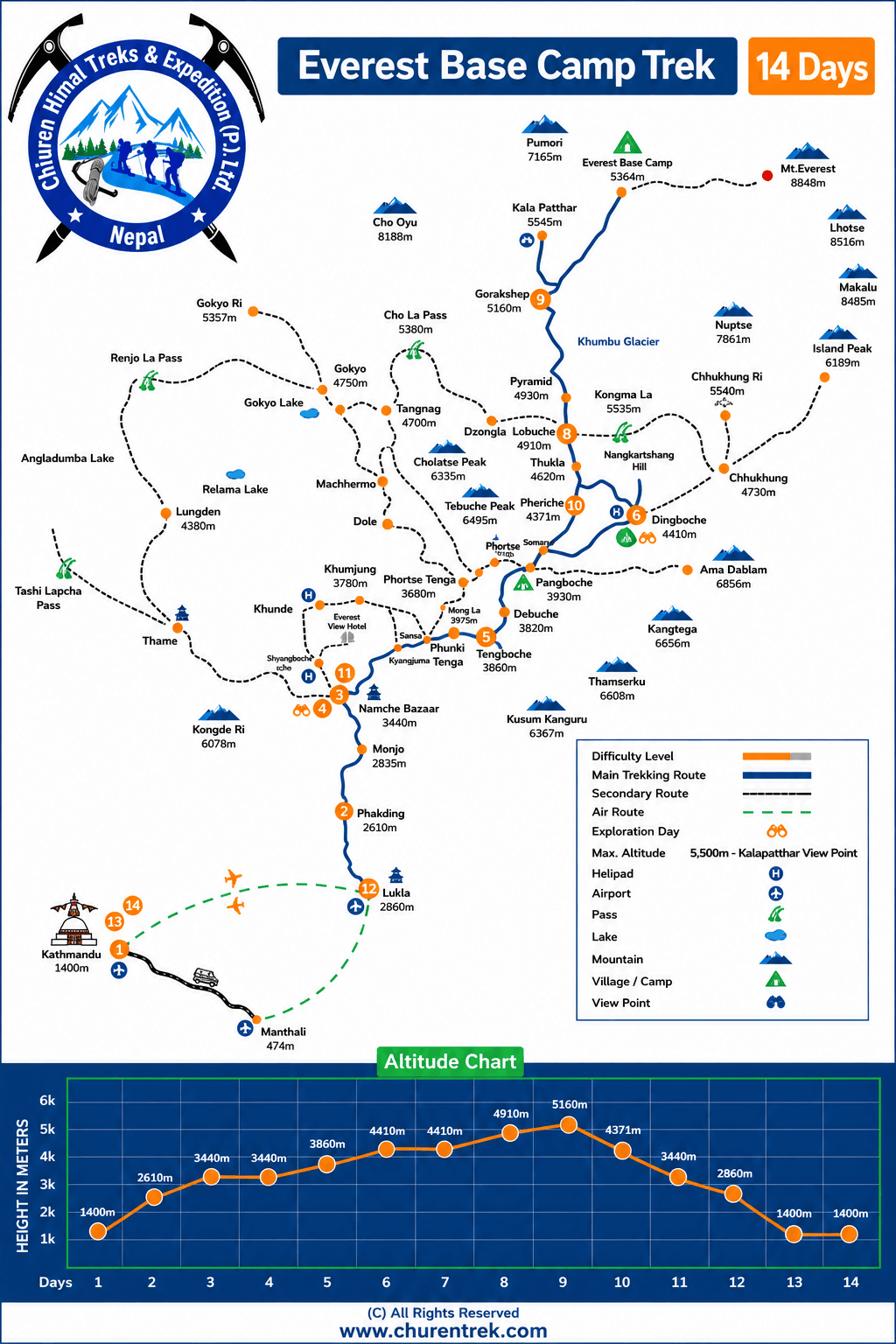
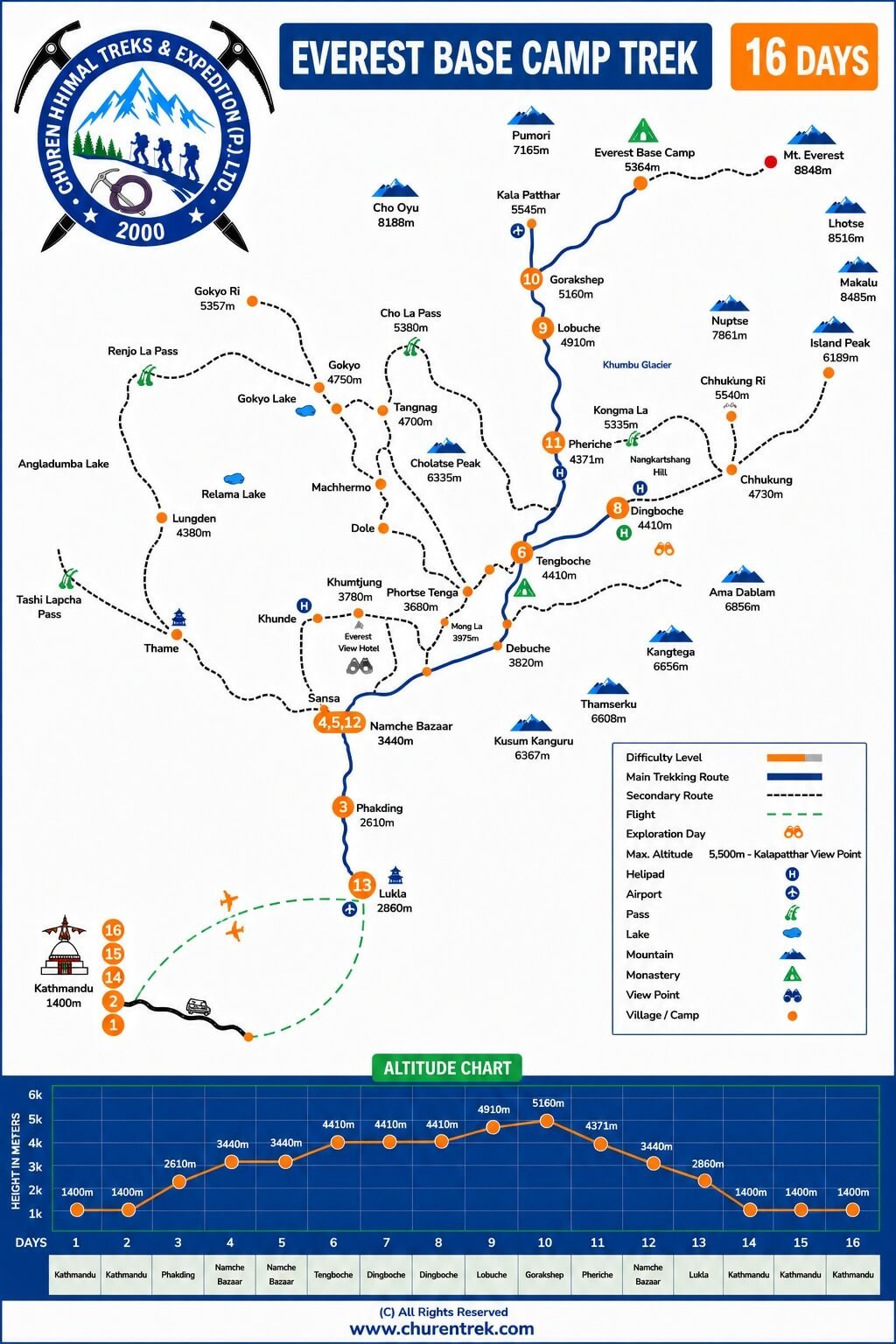
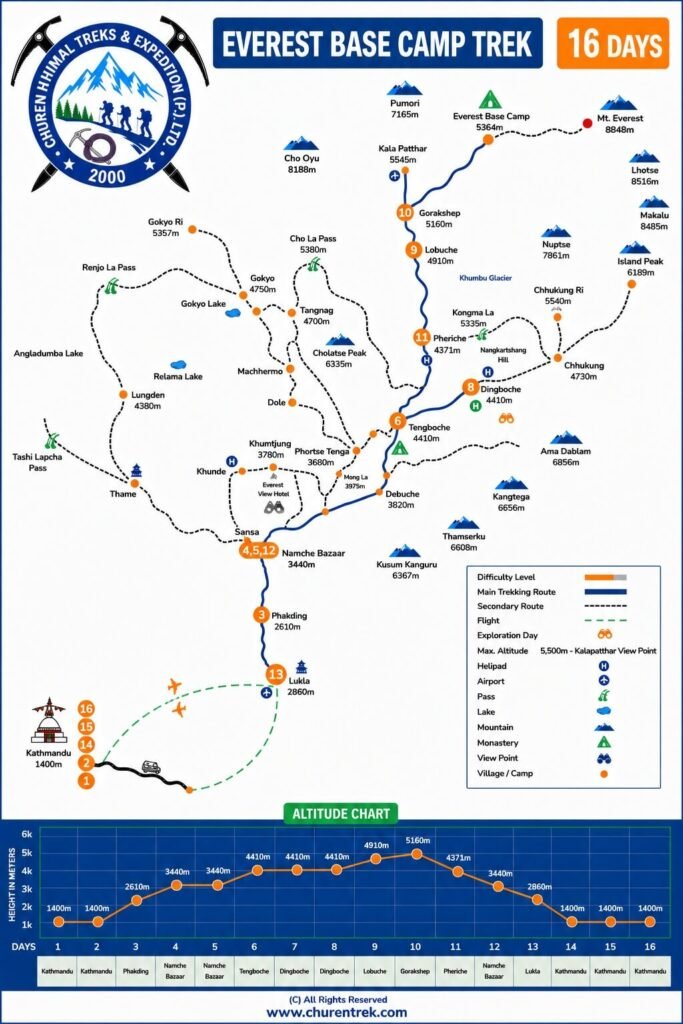
Everest Base Camp Trek Route Map
Everest Base Camp Trek – 16 Days route map
Everest Base Camp Trek Route Map Full Zoom View
Link copied to clipboard!
Price starts US$ 1720
1390 US$

We offer group discount

1 personUS$ 1590
2 peopleUS$ 1390
3 - 6 peopleUS$ 1350
7 - 10 peopleUS$ 1290
11 + peopleUS$ 1190
  • Best price guarantee
  • Secure & easy online booking
  • Flexible booking dates

Speak to an Expert

Sujan
Nepal 🇳🇵
WhatsApp +9779851233710

Lower Manaslu Trek – 11 Days Highlights

  • Explore the culturally distinctive lower Manaslu region.
  • Visit the traditional Himalayan settlement of Barpak.
  • Experience the village atmosphere of Laprak.
  • Discover Gumda and other mountain communities along the route.
  • Trek through the scenic landscape around Lapu Gaun.
  • Finish the trekking section at Soti Khola.
  • Experience Gurung cultural traditions and local hospitality.
  • Walk through traditional mountain settlements rather than concentrating only on major tourist hubs.
  • Enjoy Himalayan scenery throughout the route.
  • Combine cultural exploration with mountain trekking.
  • Experience a route that can offer a quieter alternative to more heavily traveled Himalayan trekking corridors.
  • Travel through diverse landscapes between Kathmandu, Gorkha-region villages and the Budhi Gandaki corridor around Soti Khola.
  • Learn about traditional rural life in the Nepal Himalayas.
  • Enjoy a combination of trekking, village exploration and scenic road journeys.

Lower Manaslu Trek – 11 Days Overview

The Lower Manaslu Trek – 11 Days is a rewarding Himalayan journey through the culturally distinctive lower Manaslu region, combining scenic mountain landscapes, traditional villages and authentic local experiences. The trek takes you through Barpak, Laprak, Gumda and Lapu Gaun, before reaching Soti Khola and returning to Kathmandu. It is an excellent choice for travelers who want to experience Himalayan landscapes, local culture and authentic village life without following the complete Manaslu Circuit route.

The journey begins in Kathmandu, where you have time to explore major cultural landmarks including Pashupatinath Temple, Boudhanath Stupa, Kathmandu Durbar Square and Swayambhunath. From Kathmandu, the road journey takes you toward Barpak, the starting point of the main trekking section. The trail then leads through Laprak, where an additional exploration day provides time to experience the village and its traditional way of life.

From Laprak, the trek continues toward Gumda and Lapu Gaun, passing through scenic Himalayan landscapes and rural settlements. The final trekking day takes you toward Soti Khola, from where you travel by road back to Kathmandu. A free day in Kathmandu provides time for relaxation, shopping or additional sightseeing before your international departure.

The Lower Manaslu Trek is particularly appealing to travelers interested in combining trekking with cultural discovery. The route offers opportunities to interact with local communities, observe traditional mountain lifestyles and experience the changing landscapes of the lower Manaslu region. The itinerary includes several walking days of approximately four to seven hours, so a reasonable level of fitness and preparation is recommended.

Lower Manaslu Trek - 11 Days Details Itinerary

  • Day 01: Arrival in Kathmandu – 1,350m
    +

    Welcome to Nepal. Upon arrival at Tribhuvan International Airport in Kathmandu, a representative from Churen Himal Treks and Expedition Pvt. Ltd. can meet you at the airport and arrange your transfer to the hotel according to the agreed package and group size.

    After checking in, the remainder of the day can be used for rest and preparation. A welcome dinner with an authentic Nepalese cultural performance may be arranged if it is included in the confirmed package.

    Duration: Arrival and transfer day
    Walking Distance: Minimal / N/A
    Max. Altitude: 1,350m
    Meal: According to package
    Accommodation: Hotel in Kathmandu
  • Day 02: Full-Day Kathmandu Valley Sightseeing
    +

    Today is dedicated to cultural exploration in Kathmandu Valley. The sightseeing program includes important heritage sites such as Pashupatinath Temple, Boudhanath Stupa, Kathmandu Durbar Square and Swayambhunath.

    The day provides an introduction to Nepal's religious traditions, architecture and cultural heritage before heading toward the Manaslu region. Depending on the sightseeing schedule and traffic, the exact order and duration at each site may vary.

    Duration: Full day
    Walking Distance: Minimal / sightseeing walks
    Max. Altitude: Kathmandu, approximately 1,350m
    Meal: Breakfast, subject to package
    Accommodation: Hotel in Kathmandu
  • Day 03: Drive from Kathmandu to Barpak – 1,950m
    +

    The journey toward Lower Manaslu begins with a scenic road trip from Kathmandu to Barpak, a prominent mountain settlement in the Gorkha area. The supplied itinerary estimates the journey at approximately 7–8 hours, although actual travel time can vary according to road conditions, traffic, weather and vehicle movement.

    As the road moves away from Kathmandu, the landscape gradually changes from urban surroundings to hills, river valleys and rural settlements. Arrival in Barpak marks the beginning of the trekking experience.

    Duration: Approximately 7–8 hours by road
    Walking Distance: Minimal / N/A
    Max. Altitude: 1,950m
    Meal: According to package
    Accommodation: Guest house in Barpak
  • Day 04: Barpak to Laprak
    +

    Begin trekking from Barpak toward Laprak, following village trails through the beautiful hills of the Gorkha region. The route passes traditional settlements, cultivated terraces and forested sections, offering opportunities to experience the daily life and culture of the local communities.

    The trail includes gradual ascents and descents. On arrival in Laprak, settle into the local accommodation and enjoy the mountain village atmosphere.

    Duration: Trekking day
    Walking Distance: Requires confirmation
    Max. Altitude: Requires confirmation
    Meal: Breakfast, lunch and dinner
    Accommodation: Tea house/guest house
  • Day 05: Laprak to Nambai Kharka
    +

    Continue the trek from Laprak toward Nambai Kharka, following scenic mountain trails through forests, ridgelines and open grazing areas. The route provides changing views of the surrounding hills and mountain landscape.

    As you gain elevation, the scenery becomes increasingly alpine. Upon reaching Nambai Kharka, enjoy the quiet surroundings and prepare for the next day's trek.

    Duration: Trekking day
    Walking Distance: Requires confirmation
    Max. Altitude: Requires confirmation
    Meal: Breakfast, lunch and dinner
    Accommodation: Tea house/guest house
  • Day 06: Nambai Kharka to Tallo Thotneri
    +

    Today's trek descends from Nambai Kharka toward Tallo Thotneri. The route passes through mountain terrain, forests and traditional settlements, providing a closer look at the natural and cultural diversity of the Lower Manaslu region.

    Enjoy the changing landscape along the way and take breaks as needed. After arriving at Tallo Thotneri, settle into the accommodation and rest.

    Duration: Trekking day
    Walking Distance: Requires confirmation
    Max. Altitude: Requires confirmation
    Meal: Breakfast, lunch and dinner
    Accommodation: Tea house/guest house
  • Day 07: Tallo Thotneri to Lapu Gaun
    +

    Continue trekking from Tallo Thotneri to Lapu Gaun, following the village trails and mountain paths of the Lower Manaslu region. The journey offers views of terraced fields, forested slopes and traditional rural settlements.

    Take time to appreciate the local culture and scenery along the trail. Upon reaching Lapu Gaun, rest and prepare for the final trekking section.

    Duration: Trekking day
    Walking Distance: Requires confirmation
    Height Difference: Requires confirmation
    Max. Altitude: Requires confirmation
    Meal: Breakfast, lunch and dinner
    Accommodation: Tea house/guest house
  • Day 08: Lapu Gaun to Soti Khola
    +

    The final trekking section connects Lapu Gaun with Soti Khola, with the supplied itinerary estimating approximately 6 hours of walking.

    The landscape gradually transitions toward the lower valley environment around Soti Khola. This section completes the main trekking portion of the 11-day journey and provides a contrasting perspective on the lower Manaslu landscape compared with the higher village sections experienced earlier in the trek.

    Duration: Approximately 6 hours walking
    Walking Distance: Requires confirmation
    Height Difference: Requires confirmation
    Max. Altitude: Requires confirmation
    Meal: Breakfast, lunch and dinner
    Accommodation: Tea house/guest house
  • Day 09: Drive from Soti Khola to Kathmandu
    +

    After completing the trekking section, the journey returns to Kathmandu by road. The supplied itinerary estimates approximately 7 hours, but road travel in Nepal is highly dependent on traffic, road construction, weather and local conditions.

    The journey provides a final opportunity to observe Nepal's changing hill landscapes before returning to the Kathmandu Valley. Travelers should treat the stated duration as an estimate rather than a guaranteed travel time.

    Duration: Approximately 7 hours by road, subject to conditions
    Walking Distance: Minimal / N/A
    Meal: Breakfast, lunch and dinner, subject to package
    Accommodation: Hotel in Kathmandu
  • Day 10: Free Day in Kathmandu
    +

    Enjoy a flexible day in Kathmandu after the trek. You can use the time to rest, explore local markets, shop for souvenirs or visit cultural attractions that were not included in the earlier sightseeing program.

    Travelers who prefer a slower day can simply recover at the hotel. Those interested in local culture can explore areas of Kathmandu with a guide or independently, subject to the arrangements of the confirmed package.

    Duration: Free day
    Walking Distance: Variable
    Max. Altitude: Approximately 1,350m
    Meal: Breakfast, subject to package
    Accommodation: Hotel in Kathmandu
  • Day 11: Final Departure
    +

    Your Lower Manaslu adventure concludes today. According to your flight schedule, a representative can arrange transportation from the hotel to Tribhuvan International Airport for your onward or return flight.

    Allow sufficient time for the airport transfer, check-in and security procedures. The exact transfer timing should be coordinated according to the confirmed flight schedule.

    Duration: Departure day
    Walking Distance: N/A
    Meal: Breakfast, subject to package
    Accommodation: N/A

Cost Includes

  • ARRIVAL AND DEPARTURE : Airport - Hotel transfers – Airport (Pick Up and Drop) by private Car/Van/Bus as per group size.
  • ACCOMMODATION IN KATHMANDU : 4 nights sharing a twin bedroom at a hotel (3 Star Category) in Kathmandu on a bed & breakfast basis.
  • WELCOME DINNER : 1 complementary Welcome dinner in a typical Nepali restaurant with a cultural program in Kathmandu.
  • PERMITS : All necessary paper works: Trekking Permit (including MCAP & ACAP) and special–restricted area permit, TIMS Card & Tsum Nubri Rural Municipality Entry Permit and its fee.
  • STAFF INSURANCE : Insurance for all involved Nepalese staff during the trek.
  • MAP : Manaslu Region Trekking map.
  • MEMBER TRANSPORTATION : Land Transportation: Kathmandu – Barpak and while returning Soti - Kathmandu (by reserved Jeep and Bus, as per itinerary)
  • MEMBER LUGGAGE : Up to 15 Kg per member for personal baggage during the trek carried by porters.
  • FOODS & LODGING : Food 3 meals a day (BLD; including tea and coffee) along with accessible accommodation at Hotel/Lodge/Tea house/Camp during the trek.
  • GUIDE : Local government-licensed Guide (English speaking) during the trek and sight-seeing in Kathmandu valley.
  • PORTER : A Strong helpful porter with proper equipment (2 trekkers: 1 porter) during the trek.
  • STAFF SALARY & ALLOWANCE : All Nepalese staff & porters' daily wages, salary, equipment, food & clothing.
  • VALLEY SIGHTSEEING : Sightseeing in Kathmandu Valley [ Swoyambu (Monkey temple),Boudhanath stupa ,Pasupatinath Temple and Kathmandu Durbar Square] by a professional guide.
  • MEDICAL KIT : Comprehensive Medical kit.
  • COMPLIMENTARY SERVICES FROM CHUREN HIMAL : Oximeter to check your pulse, oxygen saturation, and heart rate,Daily seasonal fruits for dessert,Churen Himal Duffle Bag for the Trek ,Churen Himal Trekking T-Shirt or Cap, oxygen bottle on hand in an emergency (in group) Satellite phone for emergency.
  • CERTIFICATE : Adventure certificate & Token of Love after successful trekking

Cost Excludes

  • INTERNATIONAL AIRFARE : International flight airfare (from and to Kathmandu).
  • NEPAL VISA FEES : 15 Days – 30 USD,30 Days – 50 USD & 90 Days – 125 USD)
  • LUNCH & DINNER : Lunch & dinner during the stay in Kathmandu (also in case of early return from Trekking than the scheduled itinerary).
  • EXTRA NIGHTS IN KATHMANDU : Extra nights’ accommodation in Kathmandu. In case of early arrival or late departure, early return from Trekking (due to any reason) than the scheduled itinerary.
  • INSURANCE : Travel and high altitude insurance, accident, medical & emergency evacuation.
  • RESCUE EVACUATION : Medical Insurance and emergency rescue evacuation cost if required. (Rescue, Repatriation, Medication, Medical Tests, and Hospitalization costs.) *mandatory
  • PERSONAL EXPENSES : Telephone calls, Internet, Toiletries, battery recharge, hot shower, laundry, soft drinks, beer, and any alcoholic beverages.
  • PERSONAL EQUIPMENT : Clothing, Packing Items or Bags, Personal Medical Kit, Personal Trekking Gears, etc.
  • TOILETRIES : Soaps, shampoos, toilet and tissue papers, toothpaste, and other items used to keep yourself clean.
  • FILMING : Special Filming, Camera, and Drone permit fee.
  • INTERNET SERVICE : Internet facility during the trek is not included.
  • EXTRA PORTER : $20 USD for an extra porter per day (If an extra porter is demanded).
  • TIPS : Tipping is a culture in Nepal and is expected by your staff (guides, porters, drivers)
  • EXTRA : Any other services or activities not mentioned in the itinerary. Any other item not listed in the “Cost Includes” section.

Departure Dates

Starting Date End Date Availability Price

Trip Information

Why Choose the Lower Manaslu Trek?

The Lower Manaslu Trek is a strong option for travelers looking beyond Nepal's busiest trekking routes and interested in a combination of mountain scenery and cultural experiences. Rather than focusing entirely on high-altitude passes, this itinerary moves through traditional communities where village life remains an important part of the trekking experience.

The opportunity to spend time in Barpak and Laprak, followed by trekking through Gumda and Lapu Gaun, gives the journey a distinctive village-to-village character. The dedicated exploration day in Laprak also allows travelers to experience the destination at a slower pace instead of treating every day simply as a transfer between trekking points.

Is the Lower Manaslu Trek Right for You?

This 11-day itinerary is suitable for travelers who want:

  • A combination of trekking and cultural exploration
  • Traditional Himalayan village experiences
  • Scenic landscapes in the Manaslu region
  • A moderate multi-day trekking challenge
  • Opportunities to experience local communities
  • A route that does not require completing the entire Manaslu Circuit
  • A combination of road journeys and walking
  • Time for Kathmandu sightseeing before and after the trek

The trek still requires preparation because several days involve sustained walking on mountain trails. Travelers should be comfortable with uphill and downhill terrain and consecutive days of physical activity.

Accommodation and Meals

Accommodation combines hotel stays in Kathmandu with tea house or guest house accommodation during the trekking section. Facilities in mountain villages can be more basic than those found in Kathmandu, and services such as Wi-Fi, electricity and hot showers may vary between locations.

Meals during the trek generally follow the standard Nepal trekking format, with breakfast, lunch and dinner arranged according to the confirmed package. Local staples such as dal bhat, rice, noodles, soups and other simple trekking meals may be available depending on the accommodation.

Transportation

Transportation forms an important part of this itinerary. The journey begins with airport and Kathmandu transfers, followed by a road journey from Kathmandu to Barpak. After completing the trekking section at Soti Khola, the itinerary includes a road journey back to Kathmandu.

The supplied itinerary estimates approximately 7–8 hours from Kathmandu to Barpak and approximately 7 hours from Soti Khola to Kathmandu. These should be regarded as approximate travel times because road conditions, traffic, weather and construction can affect journeys in Nepal.

Lower Manaslu Trek Route

The itinerary follows the following broad route:

Kathmandu → Barpak → Laprak → Gumda → Lapu Gaun → Soti Khola → Kathmandu

The route combines road transportation with village-based trekking through the lower Manaslu landscape.

Barpak provides the entry point to the trekking section, followed by Laprak, where travelers can spend additional time experiencing the village. The trail then continues through Gumda and Lapu Gaun before reaching Soti Khola, from where the group returns to Kathmandu by road.

This route places particular emphasis on Himalayan villages, local culture and landscapes rather than high-altitude mountain passes.

Lower Manaslu Trek Difficulty

The Lower Manaslu Trek can be approached as a moderate trekking experience, but the actual difficulty depends on the final trail profile, walking hours, weather and individual fitness.

The itinerary includes several days of approximately four to seven hours of walking. The Barpak–Laprak section is specifically described with a supplied elevation difference of +800m / -600m, indicating that trekkers should be prepared for meaningful uphill and downhill walking.

Physical demands:

Trekkers should be comfortable with:

  • Several consecutive days of walking
  • Uphill and downhill terrain
  • Uneven mountain trails
  • Variable weather
  • Basic village accommodation
  • Limited facilities in some settlements

Previous high-altitude trekking experience is not necessarily established as a requirement by the supplied itinerary, but travelers should have a reasonable level of endurance.

Anyone with medical concerns should seek appropriate professional advice before undertaking a multi-day Himalayan trek.

Best Time for Lower Manaslu Trek

  • Spring (March to May): Spring is generally one of the preferred periods for trekking in Nepal. Travelers can benefit from improving weather, relatively favorable trail conditions and good mountain visibility during suitable periods. Temperatures and conditions vary with elevation, so layered clothing remains important.
  • Autumn (September to November): Autumn is traditionally one of Nepal's most popular trekking periods. After the monsoon season, conditions often become more favorable for mountain travel, with clearer skies possible during suitable weather windows. Because this is a popular season, accommodation and transportation arrangements should be planned in advance.
  • Winter (December to February): Winter can bring colder conditions, particularly at higher elevations. Although this Lower Manaslu itinerary does not appear to be centered on extreme high-altitude passes, cold temperatures and weather changes still need to be considered. Confirm current trail and accommodation conditions before traveling.
  • Monsoon (June to August): The monsoon season can bring heavy rainfall, muddy trails, landslides and road disruptions in Nepal's hill regions. Because this itinerary contains significant road transportation, monsoon conditions can affect both access to Barpak and the return journey from Soti Khola.

Lower Manaslu Trek Permits

Permit requirements should be checked against the current Nepal trekking regulations applicable to the exact Lower Manaslu route before departure.

The supplied material specifically instructs that current permit fees and regulatory requirements should not be invented and that travelers should receive up-to-date information from the applicable authority or trekking operator.

Travelers should confirm:

  • Which permits apply to this exact route
  • Whether the route falls under any restricted-area regulations
  • Current permit fees
  • Whether a licensed guide is required
  • Whether additional documentation is required
  • Who arranges the permits

Churen Himal Treks and Expedition Pvt. Ltd. can provide the current permit and guide requirements as part of the booking process.

Publication note: Insert current permit names, fees and regulatory requirements only after the company's operational team confirms them.

Accommodation

Accommodation on this itinerary combines Kathmandu hotel accommodation with tea houses or guest houses during the trekking portion.

Kathmandu: The supplied package framework identifies hotel accommodation in Kathmandu. The exact hotel category and property should be confirmed in the quotation.

During the trek: Tea houses and guest houses provide practical accommodation in the mountain villages. Facilities can vary considerably between settlements.

Depending on the property, travelers may find:

  • Twin-sharing rooms
  • Basic beds and bedding
  • Shared bathrooms
  • Limited hot showers
  • Electricity
  • Charging facilities
  • Wi-Fi in some locations

Availability should never be treated as guaranteed in every village. Private rooms may be available in some places but cannot be promised without checking current accommodation availability.

Food & Drinks

Trekking meals in Nepal commonly include familiar staples that are suitable for long walking days.

Potential menu choices can include: Dal bhat, rice, noodles, soups, pasta, Tibetan-influenced dishes, bread, eggs, potatoes, seasonal local foods, tea, and coffee.

Dal bhat is particularly useful for trekkers because it combines rice, lentils and accompanying vegetables or other sides. Vegetarian meals are generally possible in trekking areas, although dietary requirements should be communicated to the trekking company in advance.

Drinking water: Water sources and purchasing options vary by village. Travelers should carry a reusable bottle and an appropriate water purification method. Avoid assuming that untreated natural water is safe to drink.

Lower Manaslu Trek Packing List

  • Clothing: Moisture-wicking base layers, trekking shirts, trekking trousers, warm mid-layer, fleece or insulated layer, waterproof jacket, warm jacket appropriate to season, gloves, warm hat, sun hat, comfortable trekking socks, spare underwear.
  • Footwear: Broken-in trekking boots, lightweight camp footwear, extra socks.
  • Sun and weather protection: Sunglasses, sunscreen, lip protection, sun hat, waterproof backpack protection.
  • Trekking equipment: Daypack, duffel bag where porter service is arranged, trekking poles, headlamp, water bottles, water purification tablets/filter, sleeping bag if required by season or package, power bank.
  • Personal items: Passport, required permits/documents, travel insurance information, personal medication, basic first-aid supplies, toiletries, hand sanitizer, quick-drying towel, personal snacks.

Packing should be adjusted according to the season, current weather and the final confirmed itinerary.

Physical Preparation and Fitness

Preparation should begin well before departure.

  • Walking practice: Regular walks and progressively longer hikes are useful preparation for consecutive trekking days.
  • Cardiovascular fitness: Activities such as walking, hiking, cycling or other suitable aerobic exercise can help build endurance.
  • Strength: Include exercises that develop practical lower-body strength and stability, particularly for repeated uphill and downhill movement.
  • Hiking practice: If possible, complete several longer day hikes before the trek. This allows you to test footwear, backpack weight, clothing and hydration systems.
  • Gradual preparation: Do not wait until immediately before departure to begin training. Progressive preparation generally makes the trekking experience more comfortable.

Fitness recommendations should be treated as general preparation guidance rather than medical advice.

Safety and Responsible Trekking

Altitude awareness: Although this itinerary is not presented as an extreme high-altitude expedition, elevation changes still deserve attention. Travelers should communicate any unusual symptoms to their guide rather than attempting to push through significant illness.

Hydration & Weather: Drink regularly throughout the day and carry sufficient water. Mountain weather can change quickly. Carry appropriate rain and warm-weather protection even when the morning forecast looks favorable.

Trail safety & Insurance: Follow your guide's instructions around steep, muddy, slippery or exposed sections. Travel insurance should be arranged before departure and should be appropriate for the activities and elevations included in the confirmed itinerary.

Responsible trekking: Travelers should respect local communities, ask before photographing people, avoid unnecessary plastic waste, carry waste until suitable disposal facilities are available, respect local religious customs, avoid damaging cultural or natural sites, and support local accommodation and businesses where appropriate.

Lower Manaslu Trek Cost

There is no exact package price supplied in the source material, so an artificial price should not be published.

The final cost can depend on: Group size, accommodation category, Kathmandu hotel, meals, guide, porter, permits, transportation, airport transfers, Kathmandu sightseeing, season, private versus group arrangements, insurance, personal expenses, and optional services.

Travelers should request a current quotation from Churen Himal Treks and Expedition Pvt. Ltd.

For a commercial landing page, the price section should make the next step easy: Request Current Lower Manaslu Trek Pricing.

What's Included

The following should be treated as potential package components rather than confirmed inclusions until matched against the company's current quotation:

  • Airport transfers
  • Kathmandu hotel accommodation
  • Trek accommodation
  • Trekking meals
  • Guide
  • Porter, where selected
  • Ground transportation
  • Trekking permits
  • Kathmandu sightseeing
  • Airport departure transfer

The final website page should publish only those inclusions that the company's current package actually provides.

What's Not Included

Common exclusions may include:

  • International airfare
  • Travel insurance
  • Personal expenses
  • Alcoholic beverages
  • Personal snacks
  • Tips
  • Personal equipment
  • Emergency evacuation
  • Expenses caused by unforeseen events
  • Additional accommodation caused by delays
  • Optional sightseeing not included in the itinerary

The exact inclusions and exclusions should always be stated in the booking quotation.

Price starts US$ 1720
1390 US$

We offer group discount

1 personUS$ 1590
2 peopleUS$ 1390
3 - 6 peopleUS$ 1350
7 - 10 peopleUS$ 1290
11 + peopleUS$ 1190
  • Best price guarantee
  • Secure & easy online booking
  • Flexible booking dates

Speak to an Expert

Sujan
Nepal 🇳🇵
WhatsApp +9779851233710

FAQs for Everest Base Camp Trek – 16 Days

FAQs for Everest Base Camp Trek – 16 Days

ℹ️ General

+
➔
What is the Everest Base Camp Trek and why is it popular?
It is a world-famous 14-day Himalayan adventure taking you to the base of Mt. Everest through ancient Sherpa villages and stunning landscapes.
➔
How difficult is the Everest Base Camp Trek?
The trek is moderately challenging, requiring good physical stamina for multi-day walking but no technical climbing skills.
➔
How many days does the trek take in total?
The standard Everest Base Camp Trek itinerary offered by Glorious Eco Trek Nepal takes 14 days in total.
➔
Is prior trekking experience necessary for this trip?
No prior trekking experience is mandatory as long as you are healthy, motivated, and in good physical condition.
➔
Can solo travelers join a group trek?
Yes, solo travelers can join our organized group departures or trek with a dedicated personal guide.

🏋️ Preparation & Fitness

+
➔
Is the Everest Base Camp Trek physically challenging?
Yes, walking 5 to 7 hours daily over steep mountain terrain at high altitudes tests your endurance.
➔
Do I need to train before doing the Everest Base Camp Trek?
Yes, pre-trip physical conditioning makes the journey significantly more comfortable and enjoyable.
➔
How many weeks should I train before the EBC trek?
We recommend beginning cardiovascular and endurance training at least 8 to 12 weeks before your trip.
➔
What is the best way to prepare for the Everest Base Camp Trek?
Focus on aerobic workouts like running and swimming alongside stair-climbing with a weighted daypack.
➔
How can I acclimatize to high altitude faster?
Walk at a steady, slow pace, drink 3-4 liters of water daily, avoid alcohol, and strictly follow our rest day schedules.
➔
How many hours will I walk each day during the EBC trek?
You will walk an average of 5 to 7 hours each day depending on the distance between teahouses.
➔
Can first-time trekkers do the Everest Base Camp Trek?
Yes, motivated first-time trekkers with a basic fitness foundation successfully complete the trek every year.

🪪 Permits

+
➔
What permits are required for the Everest Base Camp Trek?
You need the Sagarmatha National Park Entry Permit and the Khumbu Pasang Lhamu Rural Municipality Permit.
➔
Will Glorious Eco Trek Nepal arrange all the necessary permits?
Yes, our team handles all paperwork and arranges all required permits for you.

🛂 Insurance & Visa

+
➔
Do I need travel insurance for the Everest Base Camp Trek?
Yes, travel insurance is strictly mandatory for all trekkers on this expedition.
➔
How do I get a tourist visa for Nepal?
You can fill out the online pre-visa form or apply directly upon arrival at Kathmandu Airport.
➔
Can I get a visa on arrival at the airport?
Yes, tourist visas on arrival are available at Tribhuvan International Airport for most nationalities.
➔
What should the insurance cover for trekking in Nepal?
Your policy must specifically cover high-altitude medical treatment and emergency helicopter evacuation up to 6,000 meters.

💂 Guides & Support Staff

+
➔
Will I have a guide and porter during the trek?
Yes, our standard trip package includes a licensed local guide and helpful porters.
➔
What are the qualifications of your trekking guides?
Our guides are government-certified professionals trained in wilderness first aid and emergency response.
➔
Do the guides speak English?
Yes, all of our guides speak fluent English to ensure seamless communication.
➔
Will porters carry my luggage during the trek?
Yes, porters carry your main heavy duffel bag so you only carry a small, light daypack.
➔
Is tipping guides and porters expected?
Tipping is a traditional way in Nepal to express gratitude to support staff for their hard work.
➔
Can I trek to Everest Base Camp without a guide?
No, current government regulations mandate that all foreign trekkers must be accompanied by a licensed guide.

🛏️ Accommodation and Facilities

+
➔
What kind of accommodation is provided during the trek?
You will stay in traditional, cozy mountain teahouses featuring twin-share bedrooms and a central heated dining room.
➔
Are hot showers and Wi-Fi available along the trail?
Yes, hot showers and Wi-Fi access cards are available at most teahouses for a small extra fee.
➔
Will I get a private room or have to share?
Rooms are structured as twin-sharing for two travelers, though private single rooms can be arranged upon request when available.
➔
Can I charge my phone and devices during the trek?
Yes, charging stations are available in teahouse dining rooms for a nominal hourly rate.
➔
Are toilets available throughout the trek?
Shared indoor toilets are provided in teahouses, ranging from standard Western seats to traditional squat toilets.

🍲 Food and Drinks

+
➔
What kind of food is available during the trek?
Teahouse menus offer fresh meals like traditional Nepali Dal Bhat, soups, fried rice, noodles, eggs, and pasta.
➔
Are vegetarian or vegan meals available?
Yes, vegetarian and vegan choices are widely available and recommended for optimal health at altitude.
➔
Is it safe to drink the water during the trek?
Untreated tap water is unsafe; always drink boiled teahouse water or use purification tablets/UV filters.
➔
Can I buy snacks and drinks along the way?
Yes, small village shops along the path sell bottled drinks, snacks, and chocolate bars.

🌤️ Weather & Seasons

+
➔
What is the best time to do the Everest Base Camp Trek?
Spring (March to May) and Autumn (September to November) offer clear skies and ideal temperatures.
➔
Can I trek during the monsoon or winter season?
Trekking is possible in winter or monsoon, but involves colder conditions, snow, or rain and potential flight delays.
➔
What kind of weather can I expect during the trek?
Daytime walking weather is typically pleasant, but night temperatures drop below freezing at high altitudes.

🩺 Health & Safety

+
➔
What happens if I get sick or injured during the trek?
Your guide will provide immediate first aid, arrange descent if needed, or summon a rescue helicopter for emergency transport.
➔
How do you handle altitude sickness?
We monitor oxygen levels daily, carry emergency first-aid supplies, and enforce immediate descent if severe symptoms appear.
➔
Are there health posts or clinics along the route?
Yes, basic medical posts operate at Namche Bazaar and Pheriche to assist ill or injured trekkers.
➔
Is the trek safe for solo female travelers?
Yes, Nepal is very welcoming, and trekking with our vetted licensed guides guarantees safety and security.
➔
Do I need to bring medicines for the Everest Base Camp Trek?
Yes, pack personal items like Diamox (for altitude), pain relievers, rehydration salts, and blister treatments.

🎒 Packing & Gear

+
➔
What should I pack for the Everest Base Camp Trek?
Key items include thermal clothing layers, a heavy down jacket, broken-in trekking boots, gloves, and a sleeping bag.
➔
Is a sleeping bag necessary?
Yes, a sub-zero rated sleeping bag (-10°C to -15°C) is essential as teahouse rooms are unheated at night.
➔
Where can I keep my extra luggage during the trek?
You can store non-trekking travel luggage for free at your hotel in Kathmandu before heading out.
➔
What is the luggage weight limit for the Lukla flight?
The domestic Lukla flight weight limit is 15 kg total (10 kg main bag + 5 kg hand carry).
➔
How much weight can a porter carry?
A single porter carries up to 25 kg total, usually splitting weight between two trekkers (12.5 kg per person).
➔
Where can I buy trekking clothes and gear?
You can easily buy or rent all essential gear at affordable prices in the Thamel district of Kathmandu.

💳 Booking & Payment

+
➔
What is the booking process and payment method for the Everest Base Camp Trek?
You can reserve online with an advance deposit via card or wire transfer, paying the remaining balance in Kathmandu.
➔
Is there a cancellation or refund policy?
Yes, we provide flexible cancellation policies clearly outlined in our booking agreement terms.
➔
What currency should I carry for expenses along the Everest Base Camp trek?
Carry local Nepali Rupees (NPR) cash for trail purchases as foreign currencies are rarely accepted.
➔
Can I use ATMs or credit cards during the trek?
ATMs on the trail are unreliable and cards are rarely accepted, so carrying cash from Kathmandu is mandatory.
➔
Are there money exchange services in the Everest Base Camp region?
Money exchange services are available in Namche Bazaar but offer lower rates than Kathmandu banks.
➔
How much extra money should I budget per day during the trek?
Budget roughly $15 to $25 per day for extra personal expenses like hot drinks, snacks, showers, and battery charging.
➔
Can I book the Everest Base Camp trek if I’m traveling with children?
Yes, healthy children can join provided you arrange a customized, slower-paced itinerary for safety.
➔
Should I book the trek well in advance?
Yes, booking 3 to 6 months in advance ensures guaranteed Lukla flight tickets and premium teahouse rooms.

🛫 Transportation & Flight

+
➔
Do you provide airport pick-up and drop-off services?
Yes, private airport pickup and drop-off transfers are included in our package.
➔
How do I get to the starting point of the trek?
You reach the trail's starting point via a scenic mountain flight to Lukla Airport.
➔
Is the flight to Lukla safe?
Yes, Lukla flights are operated by highly experienced mountain pilots who fly only in clear, safe weather.
➔
What happens if my Lukla flight is delayed or canceled?
Flight schedules shift to the next clear day or alternative helicopter rides can be organized if requested.
➔
What is the mode of transportation to reach Everest Base Camp?
After landing in Lukla, the remaining journey to Base Camp and back is completed entirely on foot.
Churen Trek - Mobile FAQs

ℹ️ General

+
What is the Everest Base Camp Trek and why is it popular?
It is a world-famous 14-day Himalayan adventure taking you to the base of Mt. Everest through ancient Sherpa villages and stunning landscapes.
+
How difficult is the Everest Base Camp Trek?
The trek is moderately challenging, requiring good physical stamina for multi-day walking but no technical climbing skills.
+
How many days does the trek take in total?
The standard Everest Base Camp Trek itinerary offered by Glorious Eco Trek Nepal takes 14 days in total.
+
Is prior trekking experience necessary for this trip?
No prior trekking experience is mandatory as long as you are healthy, motivated, and in good physical condition.
+
Can solo travelers join a group trek?
Yes, solo travelers can join our organized group departures or trek with a dedicated personal guide.

🏋️ Preparation & Fitness

+
Is the Everest Base Camp Trek physically challenging?
Yes, walking 5 to 7 hours daily over steep mountain terrain at high altitudes tests your endurance.
+
Do I need to train before doing the Everest Base Camp Trek?
Yes, pre-trip physical conditioning makes the journey significantly more comfortable and enjoyable.
+
How many weeks should I train before the EBC trek?
We recommend beginning cardiovascular and endurance training at least 8 to 12 weeks before your trip.
+
What is the best way to prepare for the Everest Base Camp Trek?
Focus on aerobic workouts like running and swimming alongside stair-climbing with a weighted daypack.
+
How can I acclimatize to high altitude faster?
Walk at a steady, slow pace, drink 3-4 liters of water daily, avoid alcohol, and strictly follow our rest day schedules.
+
How many hours will I walk each day during the EBC trek?
You will walk an average of 5 to 7 hours each day depending on the distance between teahouses.
+
Can first-time trekkers do the Everest Base Camp Trek?
Yes, motivated first-time trekkers with a basic fitness foundation successfully complete the trek every year.

🪪 Permits

+
What permits are required for the Everest Base Camp Trek?
You need the Sagarmatha National Park Entry Permit and the Khumbu Pasang Lhamu Rural Municipality Permit.
+
Will Glorious Eco Trek Nepal arrange all the necessary permits?
Yes, our team handles all paperwork and arranges all required permits for you.

🛂 Insurance & Visa

+
Do I need travel insurance for the Everest Base Camp Trek?
Yes, travel insurance is strictly mandatory for all trekkers on this expedition.
+
How do I get a tourist visa for Nepal?
You can fill out the online pre-visa form or apply directly upon arrival at Kathmandu Airport.
+
Can I get a visa on arrival at the airport?
Yes, tourist visas on arrival are available at Tribhuvan International Airport for most nationalities.
+
What should the insurance cover for trekking in Nepal?
Your policy must specifically cover high-altitude medical treatment and emergency helicopter evacuation up to 6,000 meters.

💂 Guides & Support Staff

+
Will I have a guide and porter during the trek?
Yes, our standard trip package includes a licensed local guide and helpful porters.
+
What are the qualifications of your trekking guides?
Our guides are government-certified professionals trained in wilderness first aid and emergency response.
+
Do the guides speak English?
Yes, all of our guides speak fluent English to ensure seamless communication.
+
Will porters carry my luggage during the trek?
Yes, porters carry your main heavy duffel bag so you only carry a small, light daypack.
+
Is tipping guides and porters expected?
Tipping is a traditional way in Nepal to express gratitude to support staff for their hard work.
+
Can I trek to Everest Base Camp without a guide?
No, current government regulations mandate that all foreign trekkers must be accompanied by a licensed guide.

🛏️ Accommodation and Facilities

+
What kind of accommodation is provided during the trek?
You will stay in traditional, cozy mountain teahouses featuring twin-share bedrooms and a central heated dining room.
+
Are hot showers and Wi-Fi available along the trail?
Yes, hot showers and Wi-Fi access cards are available at most teahouses for a small extra fee.
+
Will I get a private room or have to share?
Rooms are structured as twin-sharing for two travelers, though private single rooms can be arranged upon request when available.
+
Can I charge my phone and devices during the trek?
Yes, charging stations are available in teahouse dining rooms for a nominal hourly rate.
+
Are toilets available throughout the trek?
Shared indoor toilets are provided in teahouses, ranging from standard Western seats to traditional squat toilets.

🍲 Food and Drinks

+
What kind of food is available during the trek?
Teahouse menus offer fresh meals like traditional Nepali Dal Bhat, soups, fried rice, noodles, eggs, and pasta.
+
Are vegetarian or vegan meals available?
Yes, vegetarian and vegan choices are widely available and recommended for optimal health at altitude.
+
Is it safe to drink the water during the trek?
Untreated tap water is unsafe; always drink boiled teahouse water or use purification tablets/UV filters.
+
Can I buy snacks and drinks along the way?
Yes, small village shops along the path sell bottled drinks, snacks, and chocolate bars.

🌤️ Weather & Seasons

+
What is the best time to do the Everest Base Camp Trek?
Spring (March to May) and Autumn (September to November) offer clear skies and ideal temperatures.
+
Can I trek during the monsoon or winter season?
Trekking is possible in winter or monsoon, but involves colder conditions, snow, or rain and potential flight delays.
+
What kind of weather can I expect during the trek?
Daytime walking weather is typically pleasant, but night temperatures drop below freezing at high altitudes.

🩺 Health & Safety

+
What happens if I get sick or injured during the trek?
Your guide will provide immediate first aid, arrange descent if needed, or summon a rescue helicopter for emergency transport.
+
How do you handle altitude sickness?
We monitor oxygen levels daily, carry emergency first-aid supplies, and enforce immediate descent if severe symptoms appear.
+
Are there health posts or clinics along the route?
Yes, basic medical posts operate at Namche Bazaar and Pheriche to assist ill or injured trekkers.
+
Is the trek safe for solo female travelers?
Yes, Nepal is very welcoming, and trekking with our vetted licensed guides guarantees safety and security.
+
Do I need to bring medicines for the Everest Base Camp Trek?
Yes, pack personal items like Diamox (for altitude), pain relievers, rehydration salts, and blister treatments.

🎒 Packing & Gear

+
What should I pack for the Everest Base Camp Trek?
Key items include thermal clothing layers, a heavy down jacket, broken-in trekking boots, gloves, and a sleeping bag.
+
Is a sleeping bag necessary?
Yes, a sub-zero rated sleeping bag (-10°C to -15°C) is essential as teahouse rooms are unheated at night.
+
Where can I keep my extra luggage during the trek?
You can store non-trekking travel luggage for free at your hotel in Kathmandu before heading out.
+
What is the luggage weight limit for the Lukla flight?
The domestic Lukla flight weight limit is 15 kg total (10 kg main bag + 5 kg hand carry).
+
How much weight can a porter carry?
A single porter carries up to 25 kg total, usually splitting weight between two trekkers (12.5 kg per person).
+
Where can I buy trekking clothes and gear?
You can easily buy or rent all essential gear at affordable prices in the Thamel district of Kathmandu.

💳 Booking & Payment

+
What is the booking process and payment method for the Everest Base Camp Trek?
You can reserve online with an advance deposit via card or wire transfer, paying the remaining balance in Kathmandu.
+
Is there a cancellation or refund policy?
Yes, we provide flexible cancellation policies clearly outlined in our booking agreement terms.
+
What currency should I carry for expenses along the Everest Base Camp trek?
Carry local Nepali Rupees (NPR) cash for trail purchases as foreign currencies are rarely accepted.
+
Can I use ATMs or credit cards during the trek?
ATMs on the trail are unreliable and cards are rarely accepted, so carrying cash from Kathmandu is mandatory.
+
Are there money exchange services in the Everest Base Camp region?
Money exchange services are available in Namche Bazaar but offer lower rates than Kathmandu banks.
+
How much extra money should I budget per day during the trek?
Budget roughly $15 to $25 per day for extra personal expenses like hot drinks, snacks, showers, and battery charging.
+
Can I book the Everest Base Camp trek if I’m traveling with children?
Yes, healthy children can join provided you arrange a customized, slower-paced itinerary for safety.
+
Should I book the trek well in advance?
Yes, booking 3 to 6 months in advance ensures guaranteed Lukla flight tickets and premium teahouse rooms.

🛫 Transportation & Flight

+
Do you provide airport pick-up and drop-off services?
Yes, private airport pickup and drop-off transfers are included in our package.
+
How do I get to the starting point of the trek?
You reach the trail's starting point via a scenic mountain flight to Lukla Airport.
+
Is the flight to Lukla safe?
Yes, Lukla flights are operated by highly experienced mountain pilots who fly only in clear, safe weather.
+
What happens if my Lukla flight is delayed or canceled?
Flight schedules shift to the next clear day or alternative helicopter rides can be organized if requested.
+
What is the mode of transportation to reach Everest Base Camp?
After landing in Lukla, the remaining journey to Base Camp and back is completed entirely on foot.
💬

Reviews on Everest Base Camp Trek – 14 Days

🟢 225+ Tripadvisor Reviews 🟢🟢🟢🟢🟢
🌐 118+ Excellent Google Reviews ★★★★★
⭐ Based on 45 Reviews ★★★★★
Verified by Trustindex ⓘ
▶

Video Testimonials

Video Testimonial 1
▶
Video Testimonial 2
▶
🏔️ Churen Trek
▶
Video Testimonial 4
▶
US$ 1390 Per Person