Churen Trek

Confirmed Booked Group, You Can Join for 2026 & 2027 Know More

EVEREST NAMCHE TREK - 5 DAYS

Duration

05 Days

Trip Difficulty

Easy

Start/End Point

Kathmandu

Meals

Breakfast, Lunch and Dinner

Max Altitude:

3875m

Group Size

2 -15

Best Season

Mar, Apri, May, Sep, Oct, Nov & Dec.

Accommodation

Hotel/Lodge/Tea House during the trek

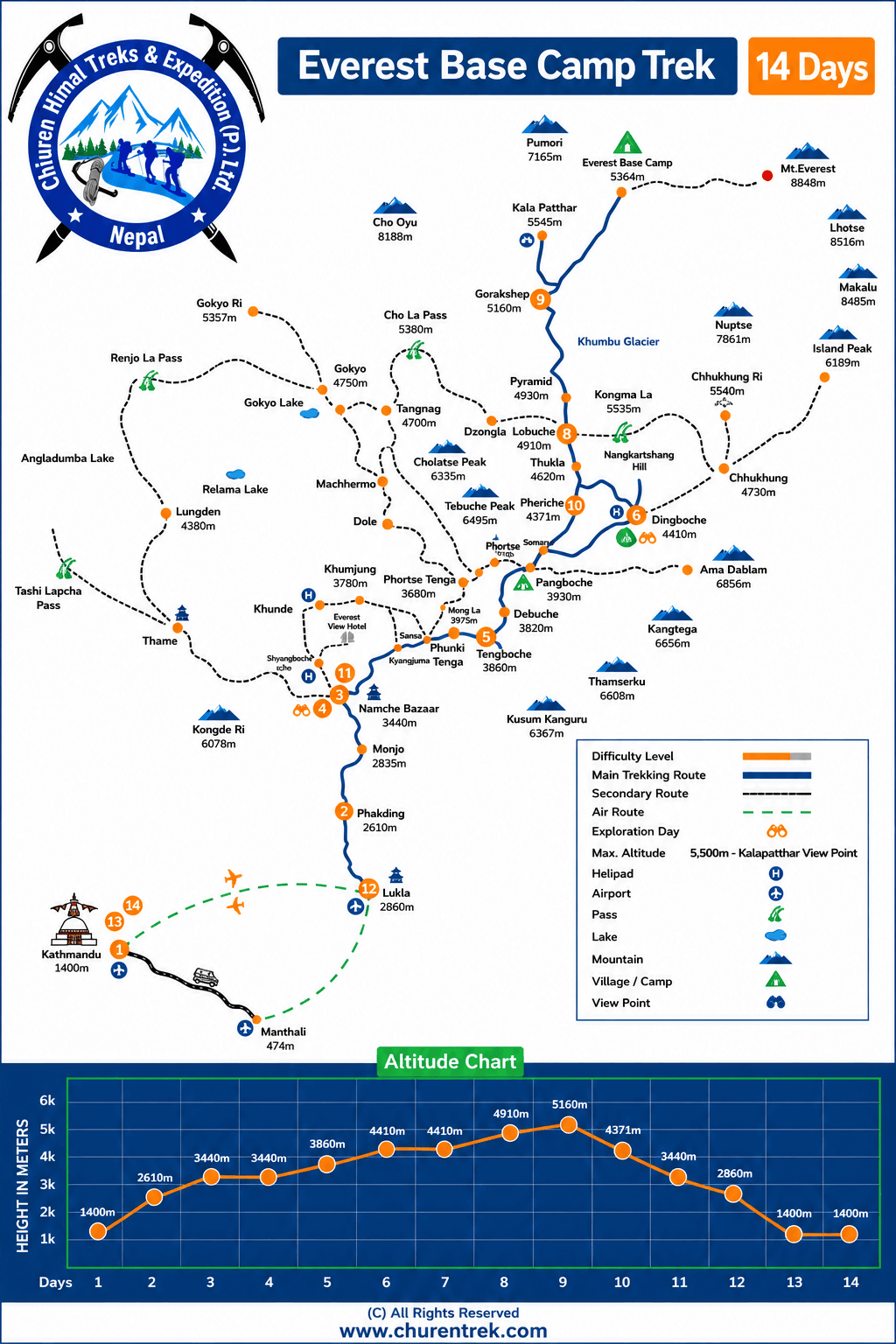
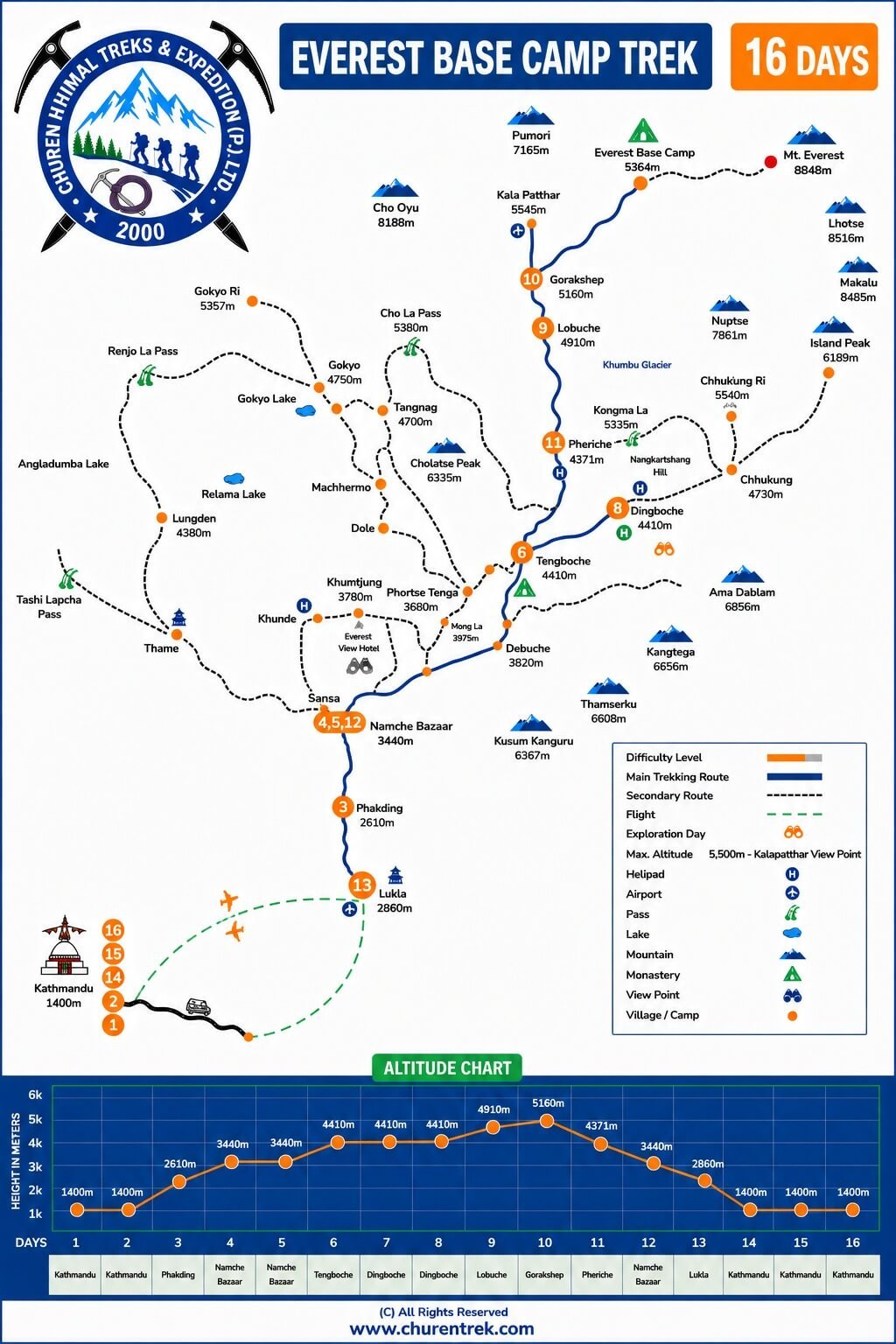
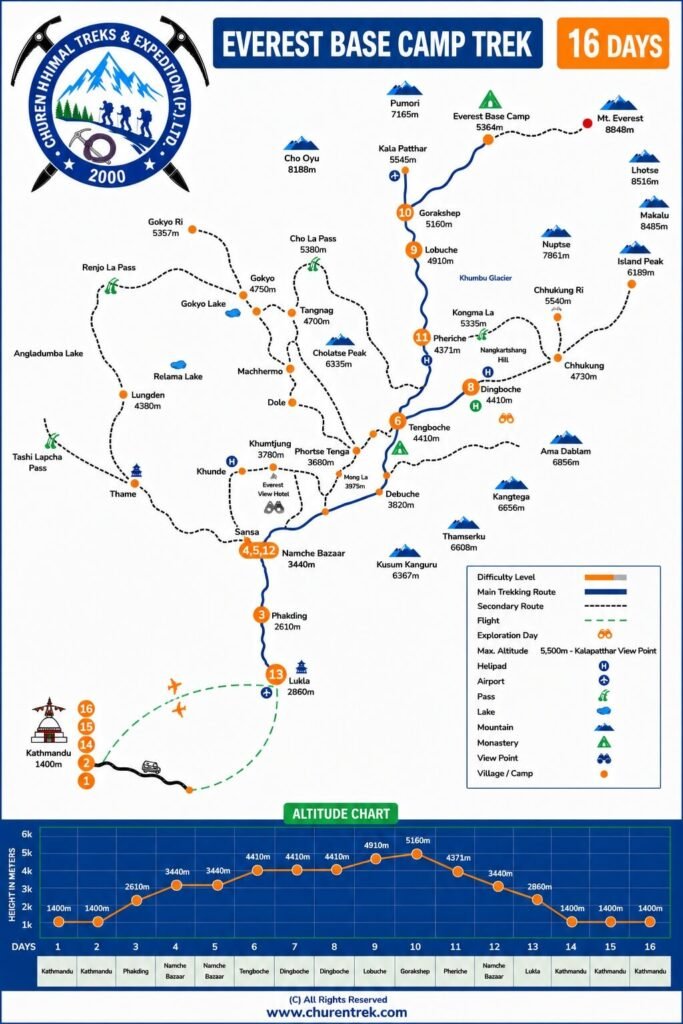
Everest Base Camp Trek Route Map
Everest Base Camp Trek – 16 Days route map
Everest Base Camp Trek Route Map Full Zoom View
Link copied to clipboard!
Price starts US$ 1720
1390 US$

We offer group discount

1 personUS$ 1590
2 peopleUS$ 1390
3 - 6 peopleUS$ 1350
7 - 10 peopleUS$ 1290
11 + peopleUS$ 1190
  • Best price guarantee
  • Secure & easy online booking
  • Flexible booking dates

Speak to an Expert

Sujan
Nepal 🇳🇵
WhatsApp +9779851233710

Everest Namche Trek – 5 Days Highlights

  • Scenic Flight to Lukla: Enjoy a scenic flight to Lukla and the beginning of the Everest-region adventure.
  • Trek Along the Dudh Koshi: Trek through the Khumbu region, following trails beside the Dudh Koshi River.
  • Sagarmatha National Park: Enter Sagarmatha National Park, a UNESCO World Heritage Site.
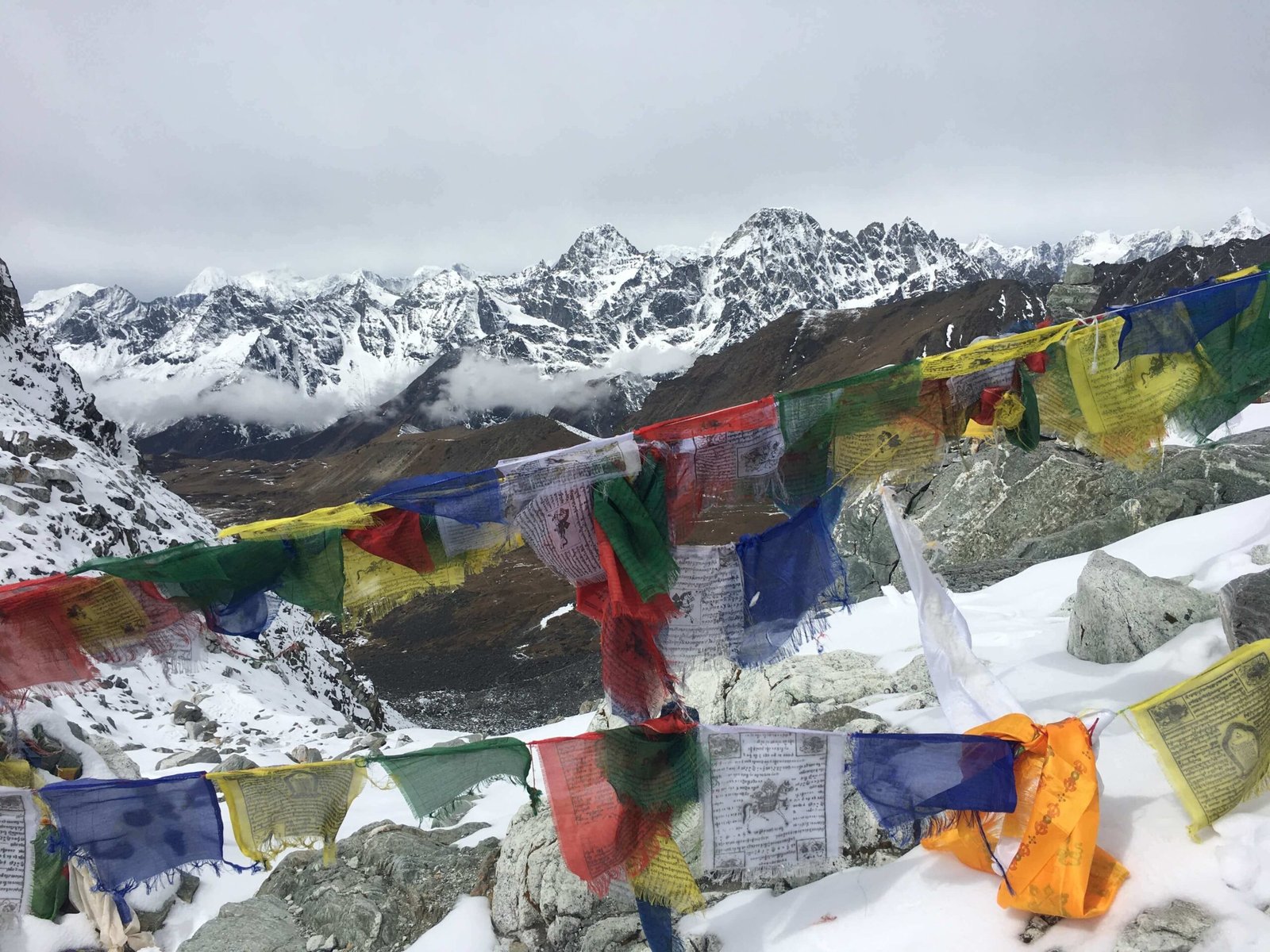
  • Traditional Suspension Bridges: Cross traditional Himalayan suspension bridges decorated with prayer flags.
  • Forest Trails: Walk through pine, fir and rhododendron forests at lower elevations.
  • Sherpa Villages and Culture: Experience traditional Sherpa villages and Himalayan culture.
  • Reach Namche Bazaar: Reach Namche Bazaar at approximately 3,440m, the major trading and trekking hub of the Khumbu.
  • Acclimatization Day: Spend an acclimatization day in Namche rather than immediately continuing to higher elevations.
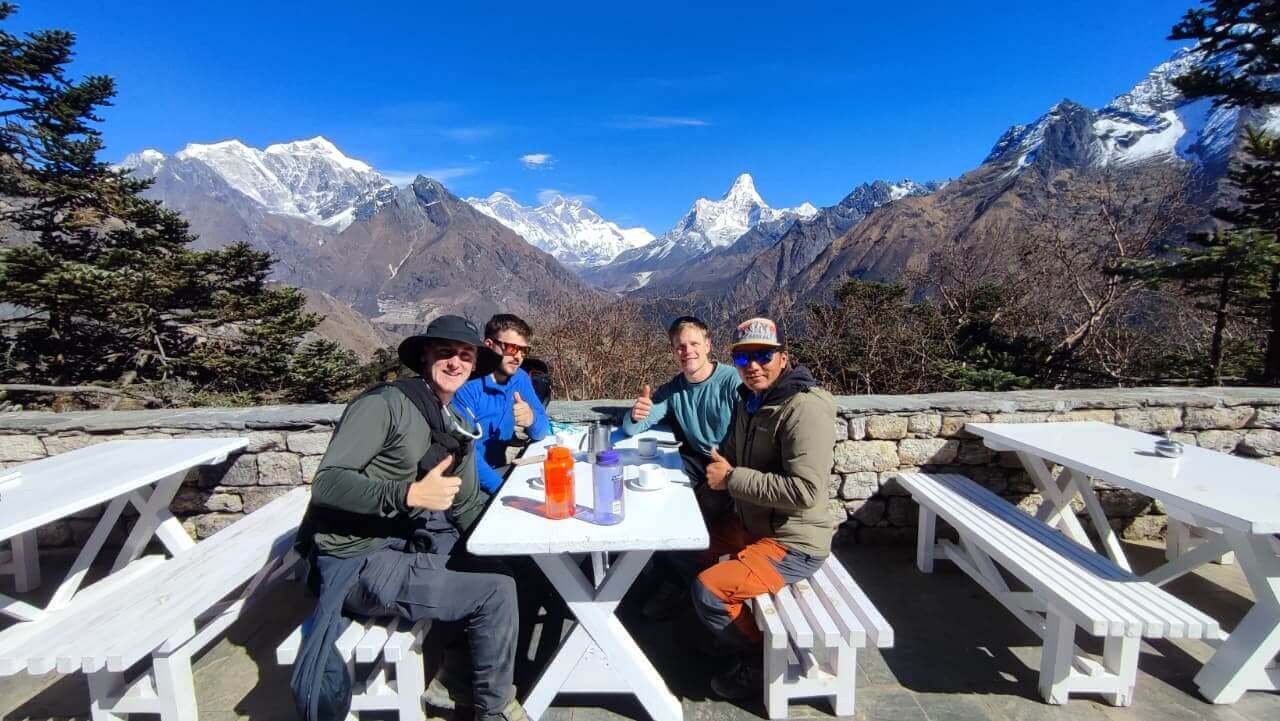
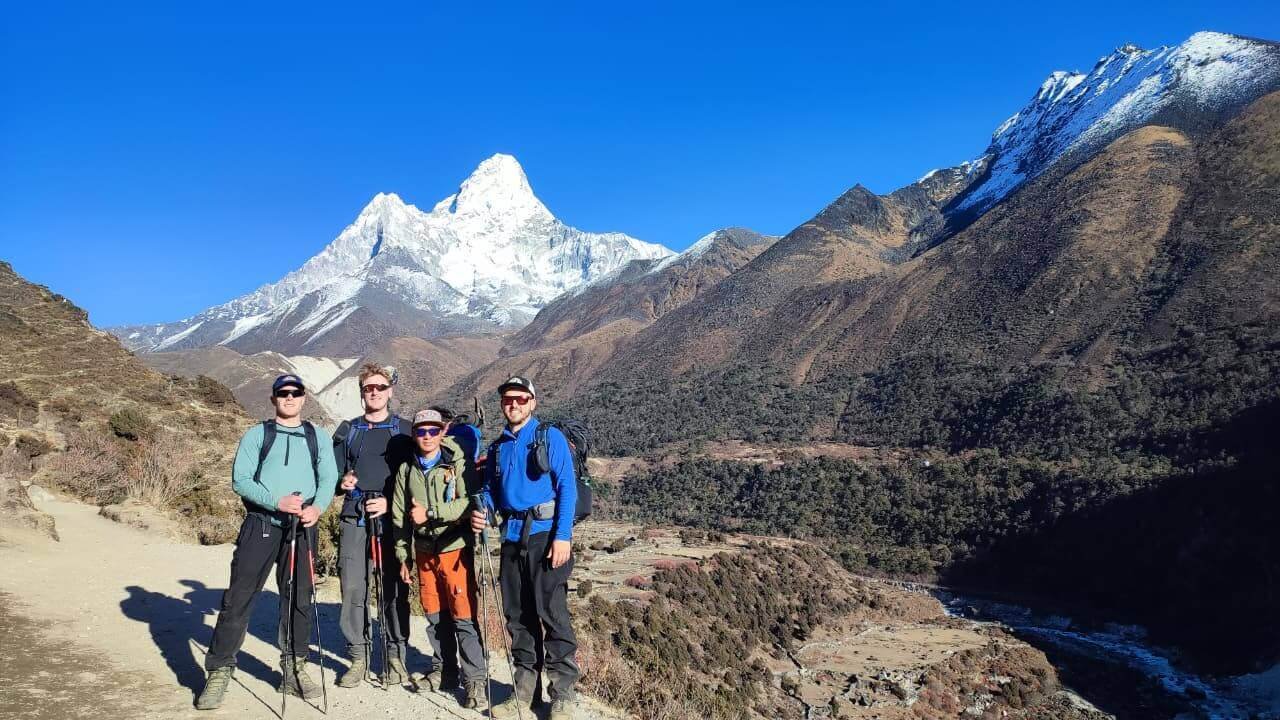
  • Himalayan Mountain Views: Enjoy opportunities for views of Everest, Thamserku, Ama Dablam and other Himalayan peaks, depending on weather and viewpoint.
  • Explore Namche Bazaar: Explore Namche's shops, bakeries, cafés, monasteries and traditional surroundings.
  • Changing Landscape: Experience the changing landscape from river valleys to high mountain terrain.
  • Return Journey: Complete the return trek to Lukla before flying back toward Kathmandu.

Everest Panorama Trek – 05 Days Overview

The thrills of being in Everest Namche Trek is just awesome. most significantly, having an insight of Sherpa valley and experiencing Himalayan vegetation and fauna in Sagarmatha National Park might be another beauty to this trekking. Everest Base Camp trekking commences after a sightseeing tour within Kathmandu valley. it's for a visit to UNESCO historical sites. Then you may have a short scenic flight from Kathmandu to Lukla. Upon your arrival at Lukla, we start hiking to Phakding and Namche. Namche Bazar is referred to as the gateway to the Everest region. The Tibetan market, resort Everest View and a few marvelous mountain views are foremost points of interest here.

Everest Namche Trek - 5 Days Details Itinerary

  • Day 01: Kathmandu to Lukla Flight and Trek to Phakding
    +

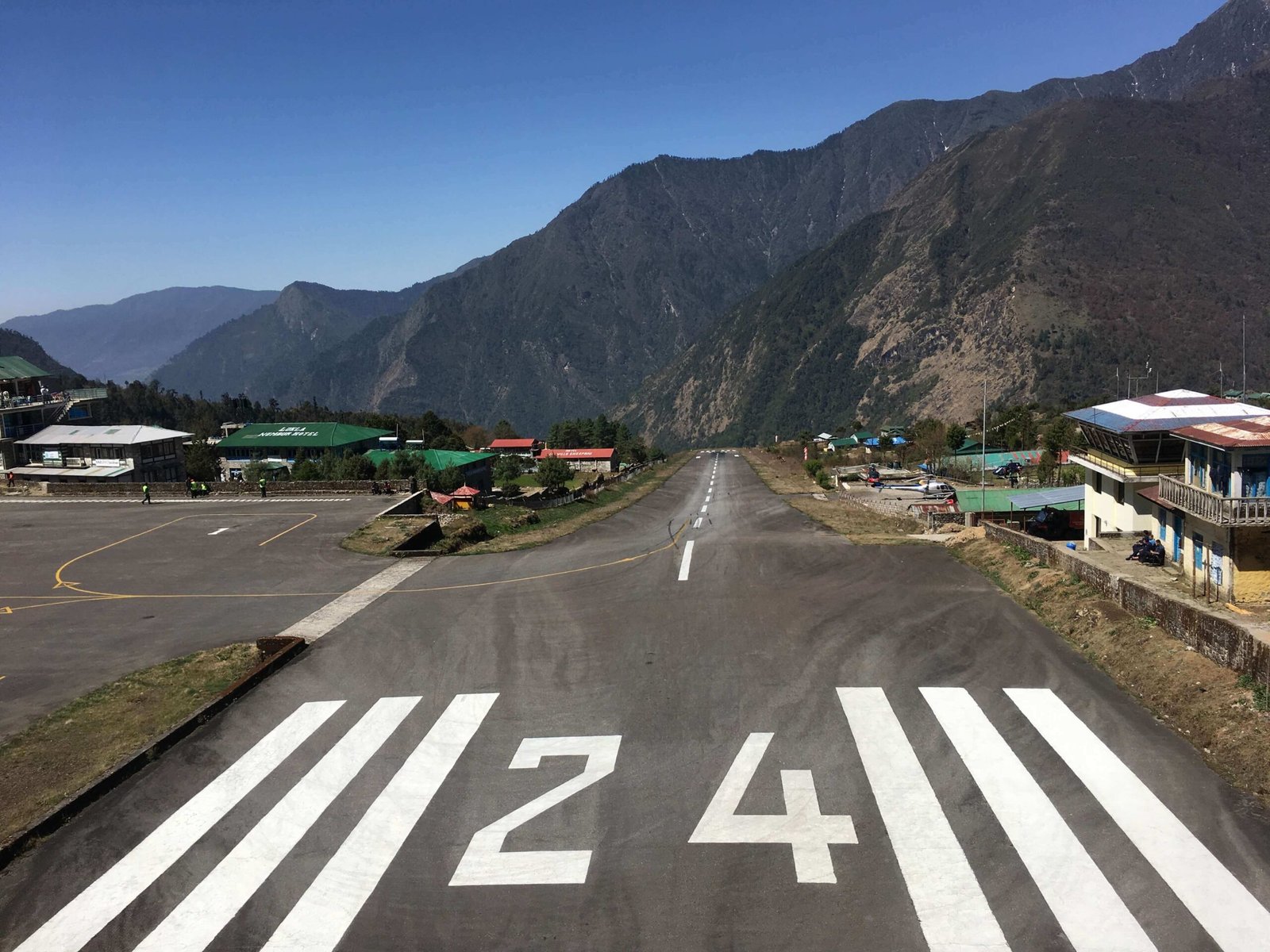
    Your Everest Namche adventure begins with a flight from Kathmandu toward Lukla and Tenzing-Hillary Airport. The short mountain flight provides impressive views when weather and visibility cooperate. After meeting the trekking support team, the trail descends and follows the Dudh Koshi valley toward Phakding.

    The walk passes through small settlements, forested sections and traditional mountain landscapes. Phakding, situated at around 2,610m, provides a comfortable first overnight stop before the more substantial climb toward Namche Bazaar.

    Duration: Approximately 3–4 hours walking
    Height Difference: Approx. +150m / -400m, trail-dependent
    Walking Distance: Approx. 7–9 km
    Max. Altitude: Approx. 2,860m at Lukla / 2,610m at Phakding
    Meal: Breakfast, Lunch, Dinner
    Accommodation: Tea house / guesthouse in Phakding
    Note: Lukla flight operations are dependent on weather and visibility conditions.
  • Day 02: Trek from Phakding to Namche Bazaar
    +

    After breakfast, continue north through the Dudh Koshi valley toward the entrance area of Sagarmatha National Park. The trail crosses several suspension bridges and passes through forest and Sherpa settlements before the landscape becomes steeper.

    The final approach to Namche involves a sustained uphill section. At approximately 3,440m, Namche Bazaar sits in a natural amphitheater surrounded by Himalayan peaks. Reaching this famous trading center is one of the major highlights of the short Everest trek.

    Duration: Approximately 6–7 hours
    Height Difference: Approx. +850m / -150m, trail-dependent
    Walking Distance: Approx. 10–12 km
    Max. Altitude: Approx. 3,440m
    Meal: Breakfast, Lunch, Dinner
    Accommodation: Tea house / guesthouse in Namche Bazaar
    Note: The final climb to Namche is sustained, so maintaining a steady pace is recommended.
  • Day 03: Acclimatization and Exploration in Namche Bazaar
    +

    Rather than immediately descending, spend the day in Namche to allow your body additional time to adjust to the elevation. An optional hike around the surrounding hills provides opportunities to explore the area and enjoy mountain scenery.

    Depending on weather and the chosen viewpoint, trekkers may see Everest, Ama Dablam, Thamserku, Lhotse and other peaks. The day can also be used to explore Namche's markets, cafés, shops and surrounding Sherpa settlements at a sensible pace.

    Duration: Approximately 3–5 hours of optional walking
    Height Difference: Approx. +200m / -200m, depending on route
    Walking Distance: Approx. 3–6 km, depending on exploration
    Max. Altitude: Approximately 3,800–3,900m if the viewpoint hike is undertaken
    Meal: Breakfast, Lunch, Dinner
    Accommodation: Tea house / guesthouse in Namche Bazaar
    Note: Keep the acclimatization day comfortable and allow adequate time for rest, hydration and exploration.
  • Day 04: Trek from Namche Bazaar to Lukla
    +

    The return journey follows the familiar trail from Namche toward the lower Dudh Koshi valley. Although the overall route loses elevation, the trail contains repeated short ascents and descents, so the day can still be physically demanding.

    Pass through villages and forested sections while retracing the route toward Lukla. Arriving in Lukla marks the completion of the walking portion of the Everest Namche itinerary and provides an opportunity to relax before the flight back to Kathmandu.

    Duration: Approximately 6–8 hours
    Height Difference: Approx. +300m / -900m, depending on trail undulations
    Walking Distance: Approximately 17–19 km
    Max. Altitude: Approximately 3,440m
    Meal: Breakfast, Lunch, Dinner
    Accommodation: Tea house / guesthouse in Lukla
    Note: Although the route generally descends, repeated uphill sections make this a physically demanding trekking day.
  • Day 05: Flight from Lukla to Kathmandu
    +

    After breakfast, transfer to Tenzing-Hillary Airport for the return flight toward Kathmandu. Lukla flights are highly dependent on mountain weather and operational conditions, so departure times can change and delays are possible.

    Once in Kathmandu, the five-day Everest Namche package concludes. Travelers arriving from overseas should normally keep their international arrival and departure arrangements outside this five-day segment to provide appropriate schedule flexibility.

    Duration: Approximately 30–40 minutes of flight time when operating normally
    Height Difference: Approx. -1,500m by elevation
    Walking Distance: Minimal airport transfer/walking
    Max. Altitude: Lukla, approximately 2,860m
    Meal: Breakfast
    Accommodation: Not included in the trekking day unless arranged separately
    Note: Lukla flight schedules are highly dependent on mountain weather and operational conditions. Delays or changes are possible.

Cost Includes

  • Airport Pick-Up & Drop : Airport - Hotel transfers – Airport (Pick Up and Drop) by private Car/Van/Bus as per group size.
  • Welcome Dinner : 1 complementary Welcome dinner in a typical Nepali restaurant with a cultural program in Kathmandu.
  • Permits : All necessary paper works: Sagarmatha National Park permit, Tims Card and Pasang Lhamu Rural Municipality entry permit.
  • Insurance : Insurance for all involved Nepalese staff during the trek (Guide,Assitance guide,porter & driver).
  • Map : Everest Region Trekking map.
  • Member Transportation : (Domestic Flight) Fly from Kathmandu – Lukla and while returning Lukla – Kathmandu or Ramechhap – Lukla and while returning Lukla – Ramechhap (Private Land Trans.: Kathmandu-Ramrchhao-Kathmandu) as per itinerary.
  • Member Luggage : Up to 14 Kg per member for personal baggage during the trek carrying by porters.
  • Foods & Lodging : Food 3 meals a day (BLD; including tea and coffee) along with accessible accommodation at tea houses/lodges during the trek.
  • Guide : Local government-licensed Guide (English speaking) during the trek and sight-seeing in Kathmandu valley.
  • Porter : A Strong helpful porter with proper equipment (2 trekkers: 1 porter) during the trek.
  • Staff Salary & Allowance : All Nepalese staff & porter’s daily wages, salary, equipment, food & clothing.
  • Medical Kit : Comprehensive Medical kit.
  • Complimentary Services From Churen Himal : Oximeter to check your pulse, oxygen saturation, and heart rate, Daily seasonal fruits for dessert, Churen Himal Duffle Bag for the Trek ,Churen Himal Trekking T-Shirt or Cap, oxygen bottle on hand in an emergency (in group) Satellite phone for emergency.
  • Certificate : Adventure certificate & Token of Love after successful trekking

Cost Excludes

  • International Airfare : International flight airfare (from and to Kathmandu).
  • Nepal Visa Fees : 15 Days – 30 USD,30 Days – 50 USD & 90 Days – 125 USD)
  • Lunch & Dinner : Lunch & dinner during the stay in Kathmandu & Pokhara (also in case of early return from Trekking than the scheduled itinerary).
  • Extra Nights In Kathmandu & Pokhara : Extra nights’ accommodation in Kathmandu & Pokhara. In case of early arrival or late departure, early return from Trekking (due to any reason) than the scheduled itinerary.
  • Insurance : Travel and high altitude insurance, accident, medical & emergency evacuation.
  • Rescue Evacuation : Medical Insurance and emergency rescue evacuation cost if required. (Rescue, Repatriation, Medication, Medical Tests, and Hospitalization costs.)
  • Personal Expenses : Telephone calls, Internet, Toiletries, battery recharge, hot shower, laundry, soft drinks, beer, and any alcoholic beverages.
  • Personal Equipment : Clothing, Packing Items or Bags, Personal Medical Kit, Personal Trekking Gears, etc.
  • Toiletries : Soaps, shampoos, toilet and tissue papers, toothpaste, and other items used to keep yourself clean.
  • Filming : Special Filming, Camera, and Drone permit fee.
  • Internet Service : Internet facility during the trek is not included.
  • Extra Porter : $20 USD for an extra porter per day (If an extra porter is demanded).
  • Tips : Tipping is a culture in Nepal and is expected by your staff (guides, porters, drivers)
  • Extra : Any other services or activities, which are not mentioned in the itinerary. Any other item not listed in the “Cost Includes” section.

Departure Dates

Starting Date End Date Availability Price

Trip Information

Separate Arrival and Departure Days

Pre-Trek Arrival: Kathmandu arrival, airport transfer and hotel check-in.

Post-Trek International Departure: Airport transfer and final departure from Nepal.

These two days explain why the original source material contained seven numbered days even though the advertised trekking package is five days.

What Is the Everest Namche Trek?

The Everest Namche Trek – 5 Days is a short Everest-region adventure designed for travelers who want to experience the Khumbu without committing to the longer Everest Base Camp trek.

The route begins with a flight toward Lukla, continues through Phakding and Sagarmatha National Park, and reaches Namche Bazaar at approximately 3,440m. After an acclimatization day, trekkers return to Lukla and fly back toward Kathmandu.

The itinerary combines mountain scenery, Sherpa settlements, Buddhist cultural features, suspension bridges and the distinctive landscape of the Everest region.

Why Choose the Everest Namche Trek?

This short trek is particularly appealing if you want to experience the Everest region but have limited time.

Main advantages:

  • Shorter than Everest Base Camp: Reach the heart of the Khumbu without trekking all the way to Base Camp.
  • Namche Bazaar: Experience one of the best-known settlements in the Everest region.
  • Himalayan scenery: Weather permitting, viewpoints around Namche provide views toward major peaks.
  • Sherpa culture: Experience villages, monasteries, mani walls and prayer wheels.
  • Sagarmatha National Park: Trek through a protected Himalayan landscape.
  • Acclimatization: The itinerary includes a dedicated day in Namche.
  • Flexible experience: The trek can be adapted around walking pace, available time and traveler preferences.

Everest Namche Trek Difficulty and Fitness

The Everest Namche Trek is generally considered moderate, but it should not be confused with an easy sightseeing tour.

The main physical challenges are:

  • Several hours of walking on trekking days
  • Uneven mountain trails
  • Repeated uphill and downhill sections
  • The substantial climb from Phakding toward Namche
  • Elevation gain over a relatively short period
  • Potential effects of altitude around Namche

Previous high-altitude trekking experience is not essential for many reasonably fit travelers, but preparation is important.

Recommended preparation: For several weeks before departure, prioritize brisk walking, hiking on hills or stairs, cardiovascular exercise, longer weekend walks, leg and core strengthening, and training while carrying a daypack. Your pace should be comfortable enough to maintain conversation rather than trying to maximize walking speed.

Altitude and Acclimatization

Namche Bazaar sits at approximately 3,440m, making altitude an important consideration even on this relatively short itinerary.

The itinerary includes an acclimatization day at Namche. This gives trekkers additional time at altitude before descending to Lukla.

Common altitude-related symptoms can include:

  • Headache
  • Fatigue
  • Reduced appetite
  • Dizziness
  • Nausea
  • Disturbed sleep

Altitude illness should be taken seriously. Do not continue ascending if significant symptoms develop. Follow your guide's advice and seek medical assistance when necessary.

Note: No acclimatization schedule can completely eliminate altitude-related risk. Travelers with relevant medical conditions should discuss high-altitude travel with an appropriately qualified medical professional before departure.

Best Time for Everest Namche Trek

  • Spring (March to May): Spring is one of the most popular periods for trekking in the Everest region. Conditions are generally favorable for trekking, while rhododendrons and other vegetation add seasonal color at lower elevations. Visibility can vary, particularly later in the day, so mountain views are never guaranteed.
  • Autumn (September to November): Autumn is another highly popular trekking period. After the monsoon, clearer conditions can provide excellent mountain visibility. The trails and lodges can also be busier during peak periods.
  • Winter (December to February): Winter brings colder temperatures and potentially challenging conditions at higher elevations. Snow and cold weather can affect trails and flight operations. The quieter trails can appeal to experienced travelers prepared for winter conditions.
  • Monsoon (June to August): Monsoon brings substantial rainfall to much of Nepal. Clouds, rain and reduced visibility can affect the trekking experience, while Lukla flights can be more vulnerable to weather disruption.

Everest Namche Trek Weather

Weather changes quickly in the Himalayas.

Conditions vary according to:

  • Elevation
  • Season
  • Time of day
  • Cloud cover
  • Wind
  • Recent precipitation

Lower sections of the route can feel relatively mild during the daytime in suitable seasons, while mornings, evenings and higher elevations can be cold. Mountain views depend heavily on visibility. Even during normally favorable trekking seasons, cloud can temporarily obscure Everest and surrounding peaks.

Everest Namche Trek Permits

The route passes through the Everest/Khumbu area and Sagarmatha National Park.

Trekking arrangements generally involve the applicable Sagarmatha National Park entry permit and the Khumbu Pasang Lhamu Rural Municipality local entry/trekking fee.

Permit and registration requirements can change, so the exact requirements and current fees should be confirmed before departure. Where required, Churen Himal Treks can assist with the necessary trekking documentation and permit arrangements as part of the organized trek.

Important: Permit requirements and fees are administrative matters that can change. Do not publish a fixed fee on the landing page unless it has been checked against the current official requirements at the time of publication.

Accommodation During the Trek

Accommodation on the Everest Namche Trek is normally provided in tea houses or mountain guesthouses.

Typical facilities may include:

  • Twin-sharing rooms
  • Basic beds and mattresses
  • Blankets
  • Shared bathrooms in many properties
  • Hot showers at some lodges for an additional charge
  • Dining rooms
  • Charging facilities, sometimes for an additional fee
  • Wi-Fi at some lodges

Facilities vary between villages, properties and seasons. Travelers should therefore avoid assuming that every lodge offers the same bathroom, heating, charging or internet facilities. Kathmandu accommodation is generally provided in a hotel according to the selected package.

Food and Drinks

Tea houses along the Everest route offer a surprisingly broad range of trekking food.

Common choices include: Dal bhat, rice, noodles, pasta, soups, potatoes, eggs, bread, Tibetan-style dishes, momo, porridge, tea and coffee. Vegetarian food is widely available.

Hydration: Drink regularly throughout the day. Trekkers can use treated or purified water and refill where appropriate. If you have specific dietary restrictions, inform the trekking company before departure so suitable arrangements can be discussed.

Kathmandu–Lukla Flight

The flight between Kathmandu and Lukla is one of the defining logistics of the Everest Namche Trek. The flight time is commonly around 30–40 minutes when operating normally, although actual schedules and operational conditions vary.

Why flexibility matters: Lukla flights are particularly sensitive to cloud, visibility, wind, rain, airport conditions, and air-traffic or operational factors. Flights can therefore be delayed or cancelled.

Travelers should avoid booking tightly connected international flights immediately after the expected Lukla return without an adequate buffer. In some periods, airlines may operate Everest-region flights from Ramechhap/Manthali Airport rather than Kathmandu because of operational or airport-management arrangements. Travelers should confirm the departure airport and transfer requirements with their trekking operator before travel.

Everest Namche Trek Packing List

  • Clothing: Moisture-wicking base layers, fleece or insulating layer, warm jacket, waterproof/windproof jacket, trekking trousers, lightweight thermal layers, warm hat, sun hat, gloves, comfortable underwear and socks.
  • Footwear: Broken-in trekking boots, comfortable camp shoes or sandals, extra trekking socks.
  • Trekking Equipment: Daypack, duffel bag if porter service is arranged, trekking poles, water bottles or hydration system, sleeping bag appropriate to the season, headlamp.
  • Sun and Personal Protection: Sunglasses with suitable UV protection, sunscreen, lip balm with sun protection, personal toiletries, small towel.
  • Health and Documents: Personal medication, basic first-aid supplies, travel insurance documents, passport, permits/documents as required, emergency contact information.
  • Electronics: Mobile phone, camera, power bank, charging cables, universal travel adapter where needed. Pack according to the season rather than carrying unnecessary expedition equipment.

Safety and Travel Insurance

Safety on the Everest Namche Trek begins with sensible pacing and preparation.

Important practices: Walk at a sustainable pace, stay hydrated, follow your guide's instructions, tell your guide about unusual symptoms, do not ignore significant altitude symptoms, keep important documents protected, carry appropriate weather layers, check flight conditions before traveling to the airport, and maintain schedule flexibility for Lukla flights.

Travel insurance: Travel insurance should cover trekking in Nepal at the elevations relevant to your itinerary. Check that your policy provides appropriate coverage for trekking activities, emergency medical treatment, helicopter evacuation where medically necessary, trip interruption, flight delays/cancellations where applicable, and lost or delayed baggage. Do not assume a standard travel policy automatically covers high-altitude trekking or evacuation.

Why Trek with Churen Himal Treks and Expedition Pvt. Ltd.?

Churen Himal Treks and Expedition Pvt. Ltd. is a Nepal-based trekking and expedition operator offering organized Himalayan travel. For an Everest Namche Trek, professional local support can simplify trekking logistics, airport transfers, permit arrangements, guide coordination, accommodation arrangements, flight coordination, trekking route planning, pre-trek information, and emergency-response coordination.

A locally operated trek can also help travelers understand practical aspects of the route, including local customs, trail conditions and day-to-day trekking logistics. The company can also discuss customized itineraries when travelers have different schedules, fitness levels or accommodation preferences.
Price starts US$ 1720
1390 US$

We offer group discount

1 personUS$ 1590
2 peopleUS$ 1390
3 - 6 peopleUS$ 1350
7 - 10 peopleUS$ 1290
11 + peopleUS$ 1190
  • Best price guarantee
  • Secure & easy online booking
  • Flexible booking dates

Speak to an Expert

Sujan
Nepal 🇳🇵
WhatsApp +9779851233710

FAQs for Everest Base Camp Trek – 16 Days

FAQs for Everest Base Camp Trek – 16 Days

ℹ️ General

+
➔
What is the Everest Base Camp Trek and why is it popular?
It is a world-famous 14-day Himalayan adventure taking you to the base of Mt. Everest through ancient Sherpa villages and stunning landscapes.
➔
How difficult is the Everest Base Camp Trek?
The trek is moderately challenging, requiring good physical stamina for multi-day walking but no technical climbing skills.
➔
How many days does the trek take in total?
The standard Everest Base Camp Trek itinerary offered by Glorious Eco Trek Nepal takes 14 days in total.
➔
Is prior trekking experience necessary for this trip?
No prior trekking experience is mandatory as long as you are healthy, motivated, and in good physical condition.
➔
Can solo travelers join a group trek?
Yes, solo travelers can join our organized group departures or trek with a dedicated personal guide.

🏋️ Preparation & Fitness

+
➔
Is the Everest Base Camp Trek physically challenging?
Yes, walking 5 to 7 hours daily over steep mountain terrain at high altitudes tests your endurance.
➔
Do I need to train before doing the Everest Base Camp Trek?
Yes, pre-trip physical conditioning makes the journey significantly more comfortable and enjoyable.
➔
How many weeks should I train before the EBC trek?
We recommend beginning cardiovascular and endurance training at least 8 to 12 weeks before your trip.
➔
What is the best way to prepare for the Everest Base Camp Trek?
Focus on aerobic workouts like running and swimming alongside stair-climbing with a weighted daypack.
➔
How can I acclimatize to high altitude faster?
Walk at a steady, slow pace, drink 3-4 liters of water daily, avoid alcohol, and strictly follow our rest day schedules.
➔
How many hours will I walk each day during the EBC trek?
You will walk an average of 5 to 7 hours each day depending on the distance between teahouses.
➔
Can first-time trekkers do the Everest Base Camp Trek?
Yes, motivated first-time trekkers with a basic fitness foundation successfully complete the trek every year.

🪪 Permits

+
➔
What permits are required for the Everest Base Camp Trek?
You need the Sagarmatha National Park Entry Permit and the Khumbu Pasang Lhamu Rural Municipality Permit.
➔
Will Glorious Eco Trek Nepal arrange all the necessary permits?
Yes, our team handles all paperwork and arranges all required permits for you.

🛂 Insurance & Visa

+
➔
Do I need travel insurance for the Everest Base Camp Trek?
Yes, travel insurance is strictly mandatory for all trekkers on this expedition.
➔
How do I get a tourist visa for Nepal?
You can fill out the online pre-visa form or apply directly upon arrival at Kathmandu Airport.
➔
Can I get a visa on arrival at the airport?
Yes, tourist visas on arrival are available at Tribhuvan International Airport for most nationalities.
➔
What should the insurance cover for trekking in Nepal?
Your policy must specifically cover high-altitude medical treatment and emergency helicopter evacuation up to 6,000 meters.

💂 Guides & Support Staff

+
➔
Will I have a guide and porter during the trek?
Yes, our standard trip package includes a licensed local guide and helpful porters.
➔
What are the qualifications of your trekking guides?
Our guides are government-certified professionals trained in wilderness first aid and emergency response.
➔
Do the guides speak English?
Yes, all of our guides speak fluent English to ensure seamless communication.
➔
Will porters carry my luggage during the trek?
Yes, porters carry your main heavy duffel bag so you only carry a small, light daypack.
➔
Is tipping guides and porters expected?
Tipping is a traditional way in Nepal to express gratitude to support staff for their hard work.
➔
Can I trek to Everest Base Camp without a guide?
No, current government regulations mandate that all foreign trekkers must be accompanied by a licensed guide.

🛏️ Accommodation and Facilities

+
➔
What kind of accommodation is provided during the trek?
You will stay in traditional, cozy mountain teahouses featuring twin-share bedrooms and a central heated dining room.
➔
Are hot showers and Wi-Fi available along the trail?
Yes, hot showers and Wi-Fi access cards are available at most teahouses for a small extra fee.
➔
Will I get a private room or have to share?
Rooms are structured as twin-sharing for two travelers, though private single rooms can be arranged upon request when available.
➔
Can I charge my phone and devices during the trek?
Yes, charging stations are available in teahouse dining rooms for a nominal hourly rate.
➔
Are toilets available throughout the trek?
Shared indoor toilets are provided in teahouses, ranging from standard Western seats to traditional squat toilets.

🍲 Food and Drinks

+
➔
What kind of food is available during the trek?
Teahouse menus offer fresh meals like traditional Nepali Dal Bhat, soups, fried rice, noodles, eggs, and pasta.
➔
Are vegetarian or vegan meals available?
Yes, vegetarian and vegan choices are widely available and recommended for optimal health at altitude.
➔
Is it safe to drink the water during the trek?
Untreated tap water is unsafe; always drink boiled teahouse water or use purification tablets/UV filters.
➔
Can I buy snacks and drinks along the way?
Yes, small village shops along the path sell bottled drinks, snacks, and chocolate bars.

🌤️ Weather & Seasons

+
➔
What is the best time to do the Everest Base Camp Trek?
Spring (March to May) and Autumn (September to November) offer clear skies and ideal temperatures.
➔
Can I trek during the monsoon or winter season?
Trekking is possible in winter or monsoon, but involves colder conditions, snow, or rain and potential flight delays.
➔
What kind of weather can I expect during the trek?
Daytime walking weather is typically pleasant, but night temperatures drop below freezing at high altitudes.

🩺 Health & Safety

+
➔
What happens if I get sick or injured during the trek?
Your guide will provide immediate first aid, arrange descent if needed, or summon a rescue helicopter for emergency transport.
➔
How do you handle altitude sickness?
We monitor oxygen levels daily, carry emergency first-aid supplies, and enforce immediate descent if severe symptoms appear.
➔
Are there health posts or clinics along the route?
Yes, basic medical posts operate at Namche Bazaar and Pheriche to assist ill or injured trekkers.
➔
Is the trek safe for solo female travelers?
Yes, Nepal is very welcoming, and trekking with our vetted licensed guides guarantees safety and security.
➔
Do I need to bring medicines for the Everest Base Camp Trek?
Yes, pack personal items like Diamox (for altitude), pain relievers, rehydration salts, and blister treatments.

🎒 Packing & Gear

+
➔
What should I pack for the Everest Base Camp Trek?
Key items include thermal clothing layers, a heavy down jacket, broken-in trekking boots, gloves, and a sleeping bag.
➔
Is a sleeping bag necessary?
Yes, a sub-zero rated sleeping bag (-10°C to -15°C) is essential as teahouse rooms are unheated at night.
➔
Where can I keep my extra luggage during the trek?
You can store non-trekking travel luggage for free at your hotel in Kathmandu before heading out.
➔
What is the luggage weight limit for the Lukla flight?
The domestic Lukla flight weight limit is 15 kg total (10 kg main bag + 5 kg hand carry).
➔
How much weight can a porter carry?
A single porter carries up to 25 kg total, usually splitting weight between two trekkers (12.5 kg per person).
➔
Where can I buy trekking clothes and gear?
You can easily buy or rent all essential gear at affordable prices in the Thamel district of Kathmandu.

💳 Booking & Payment

+
➔
What is the booking process and payment method for the Everest Base Camp Trek?
You can reserve online with an advance deposit via card or wire transfer, paying the remaining balance in Kathmandu.
➔
Is there a cancellation or refund policy?
Yes, we provide flexible cancellation policies clearly outlined in our booking agreement terms.
➔
What currency should I carry for expenses along the Everest Base Camp trek?
Carry local Nepali Rupees (NPR) cash for trail purchases as foreign currencies are rarely accepted.
➔
Can I use ATMs or credit cards during the trek?
ATMs on the trail are unreliable and cards are rarely accepted, so carrying cash from Kathmandu is mandatory.
➔
Are there money exchange services in the Everest Base Camp region?
Money exchange services are available in Namche Bazaar but offer lower rates than Kathmandu banks.
➔
How much extra money should I budget per day during the trek?
Budget roughly $15 to $25 per day for extra personal expenses like hot drinks, snacks, showers, and battery charging.
➔
Can I book the Everest Base Camp trek if I’m traveling with children?
Yes, healthy children can join provided you arrange a customized, slower-paced itinerary for safety.
➔
Should I book the trek well in advance?
Yes, booking 3 to 6 months in advance ensures guaranteed Lukla flight tickets and premium teahouse rooms.

🛫 Transportation & Flight

+
➔
Do you provide airport pick-up and drop-off services?
Yes, private airport pickup and drop-off transfers are included in our package.
➔
How do I get to the starting point of the trek?
You reach the trail's starting point via a scenic mountain flight to Lukla Airport.
➔
Is the flight to Lukla safe?
Yes, Lukla flights are operated by highly experienced mountain pilots who fly only in clear, safe weather.
➔
What happens if my Lukla flight is delayed or canceled?
Flight schedules shift to the next clear day or alternative helicopter rides can be organized if requested.
➔
What is the mode of transportation to reach Everest Base Camp?
After landing in Lukla, the remaining journey to Base Camp and back is completed entirely on foot.
Churen Trek - Mobile FAQs

ℹ️ General

+
What is the Everest Base Camp Trek and why is it popular?
It is a world-famous 14-day Himalayan adventure taking you to the base of Mt. Everest through ancient Sherpa villages and stunning landscapes.
+
How difficult is the Everest Base Camp Trek?
The trek is moderately challenging, requiring good physical stamina for multi-day walking but no technical climbing skills.
+
How many days does the trek take in total?
The standard Everest Base Camp Trek itinerary offered by Glorious Eco Trek Nepal takes 14 days in total.
+
Is prior trekking experience necessary for this trip?
No prior trekking experience is mandatory as long as you are healthy, motivated, and in good physical condition.
+
Can solo travelers join a group trek?
Yes, solo travelers can join our organized group departures or trek with a dedicated personal guide.

🏋️ Preparation & Fitness

+
Is the Everest Base Camp Trek physically challenging?
Yes, walking 5 to 7 hours daily over steep mountain terrain at high altitudes tests your endurance.
+
Do I need to train before doing the Everest Base Camp Trek?
Yes, pre-trip physical conditioning makes the journey significantly more comfortable and enjoyable.
+
How many weeks should I train before the EBC trek?
We recommend beginning cardiovascular and endurance training at least 8 to 12 weeks before your trip.
+
What is the best way to prepare for the Everest Base Camp Trek?
Focus on aerobic workouts like running and swimming alongside stair-climbing with a weighted daypack.
+
How can I acclimatize to high altitude faster?
Walk at a steady, slow pace, drink 3-4 liters of water daily, avoid alcohol, and strictly follow our rest day schedules.
+
How many hours will I walk each day during the EBC trek?
You will walk an average of 5 to 7 hours each day depending on the distance between teahouses.
+
Can first-time trekkers do the Everest Base Camp Trek?
Yes, motivated first-time trekkers with a basic fitness foundation successfully complete the trek every year.

🪪 Permits

+
What permits are required for the Everest Base Camp Trek?
You need the Sagarmatha National Park Entry Permit and the Khumbu Pasang Lhamu Rural Municipality Permit.
+
Will Glorious Eco Trek Nepal arrange all the necessary permits?
Yes, our team handles all paperwork and arranges all required permits for you.

🛂 Insurance & Visa

+
Do I need travel insurance for the Everest Base Camp Trek?
Yes, travel insurance is strictly mandatory for all trekkers on this expedition.
+
How do I get a tourist visa for Nepal?
You can fill out the online pre-visa form or apply directly upon arrival at Kathmandu Airport.
+
Can I get a visa on arrival at the airport?
Yes, tourist visas on arrival are available at Tribhuvan International Airport for most nationalities.
+
What should the insurance cover for trekking in Nepal?
Your policy must specifically cover high-altitude medical treatment and emergency helicopter evacuation up to 6,000 meters.

💂 Guides & Support Staff

+
Will I have a guide and porter during the trek?
Yes, our standard trip package includes a licensed local guide and helpful porters.
+
What are the qualifications of your trekking guides?
Our guides are government-certified professionals trained in wilderness first aid and emergency response.
+
Do the guides speak English?
Yes, all of our guides speak fluent English to ensure seamless communication.
+
Will porters carry my luggage during the trek?
Yes, porters carry your main heavy duffel bag so you only carry a small, light daypack.
+
Is tipping guides and porters expected?
Tipping is a traditional way in Nepal to express gratitude to support staff for their hard work.
+
Can I trek to Everest Base Camp without a guide?
No, current government regulations mandate that all foreign trekkers must be accompanied by a licensed guide.

🛏️ Accommodation and Facilities

+
What kind of accommodation is provided during the trek?
You will stay in traditional, cozy mountain teahouses featuring twin-share bedrooms and a central heated dining room.
+
Are hot showers and Wi-Fi available along the trail?
Yes, hot showers and Wi-Fi access cards are available at most teahouses for a small extra fee.
+
Will I get a private room or have to share?
Rooms are structured as twin-sharing for two travelers, though private single rooms can be arranged upon request when available.
+
Can I charge my phone and devices during the trek?
Yes, charging stations are available in teahouse dining rooms for a nominal hourly rate.
+
Are toilets available throughout the trek?
Shared indoor toilets are provided in teahouses, ranging from standard Western seats to traditional squat toilets.

🍲 Food and Drinks

+
What kind of food is available during the trek?
Teahouse menus offer fresh meals like traditional Nepali Dal Bhat, soups, fried rice, noodles, eggs, and pasta.
+
Are vegetarian or vegan meals available?
Yes, vegetarian and vegan choices are widely available and recommended for optimal health at altitude.
+
Is it safe to drink the water during the trek?
Untreated tap water is unsafe; always drink boiled teahouse water or use purification tablets/UV filters.
+
Can I buy snacks and drinks along the way?
Yes, small village shops along the path sell bottled drinks, snacks, and chocolate bars.

🌤️ Weather & Seasons

+
What is the best time to do the Everest Base Camp Trek?
Spring (March to May) and Autumn (September to November) offer clear skies and ideal temperatures.
+
Can I trek during the monsoon or winter season?
Trekking is possible in winter or monsoon, but involves colder conditions, snow, or rain and potential flight delays.
+
What kind of weather can I expect during the trek?
Daytime walking weather is typically pleasant, but night temperatures drop below freezing at high altitudes.

🩺 Health & Safety

+
What happens if I get sick or injured during the trek?
Your guide will provide immediate first aid, arrange descent if needed, or summon a rescue helicopter for emergency transport.
+
How do you handle altitude sickness?
We monitor oxygen levels daily, carry emergency first-aid supplies, and enforce immediate descent if severe symptoms appear.
+
Are there health posts or clinics along the route?
Yes, basic medical posts operate at Namche Bazaar and Pheriche to assist ill or injured trekkers.
+
Is the trek safe for solo female travelers?
Yes, Nepal is very welcoming, and trekking with our vetted licensed guides guarantees safety and security.
+
Do I need to bring medicines for the Everest Base Camp Trek?
Yes, pack personal items like Diamox (for altitude), pain relievers, rehydration salts, and blister treatments.

🎒 Packing & Gear

+
What should I pack for the Everest Base Camp Trek?
Key items include thermal clothing layers, a heavy down jacket, broken-in trekking boots, gloves, and a sleeping bag.
+
Is a sleeping bag necessary?
Yes, a sub-zero rated sleeping bag (-10°C to -15°C) is essential as teahouse rooms are unheated at night.
+
Where can I keep my extra luggage during the trek?
You can store non-trekking travel luggage for free at your hotel in Kathmandu before heading out.
+
What is the luggage weight limit for the Lukla flight?
The domestic Lukla flight weight limit is 15 kg total (10 kg main bag + 5 kg hand carry).
+
How much weight can a porter carry?
A single porter carries up to 25 kg total, usually splitting weight between two trekkers (12.5 kg per person).
+
Where can I buy trekking clothes and gear?
You can easily buy or rent all essential gear at affordable prices in the Thamel district of Kathmandu.

💳 Booking & Payment

+
What is the booking process and payment method for the Everest Base Camp Trek?
You can reserve online with an advance deposit via card or wire transfer, paying the remaining balance in Kathmandu.
+
Is there a cancellation or refund policy?
Yes, we provide flexible cancellation policies clearly outlined in our booking agreement terms.
+
What currency should I carry for expenses along the Everest Base Camp trek?
Carry local Nepali Rupees (NPR) cash for trail purchases as foreign currencies are rarely accepted.
+
Can I use ATMs or credit cards during the trek?
ATMs on the trail are unreliable and cards are rarely accepted, so carrying cash from Kathmandu is mandatory.
+
Are there money exchange services in the Everest Base Camp region?
Money exchange services are available in Namche Bazaar but offer lower rates than Kathmandu banks.
+
How much extra money should I budget per day during the trek?
Budget roughly $15 to $25 per day for extra personal expenses like hot drinks, snacks, showers, and battery charging.
+
Can I book the Everest Base Camp trek if I’m traveling with children?
Yes, healthy children can join provided you arrange a customized, slower-paced itinerary for safety.
+
Should I book the trek well in advance?
Yes, booking 3 to 6 months in advance ensures guaranteed Lukla flight tickets and premium teahouse rooms.

🛫 Transportation & Flight

+
Do you provide airport pick-up and drop-off services?
Yes, private airport pickup and drop-off transfers are included in our package.
+
How do I get to the starting point of the trek?
You reach the trail's starting point via a scenic mountain flight to Lukla Airport.
+
Is the flight to Lukla safe?
Yes, Lukla flights are operated by highly experienced mountain pilots who fly only in clear, safe weather.
+
What happens if my Lukla flight is delayed or canceled?
Flight schedules shift to the next clear day or alternative helicopter rides can be organized if requested.
+
What is the mode of transportation to reach Everest Base Camp?
After landing in Lukla, the remaining journey to Base Camp and back is completed entirely on foot.
💬

Reviews on Everest Base Camp Trek – 14 Days

🟢 225+ Tripadvisor Reviews 🟢🟢🟢🟢🟢
🌐 118+ Excellent Google Reviews ★★★★★
⭐ Based on 45 Reviews ★★★★★
Verified by Trustindex ⓘ
▶

Video Testimonials

Video Testimonial 1
▶
Video Testimonial 2
▶
🏔️ Churen Trek
▶
Video Testimonial 4
▶
US$ 1390 Per Person